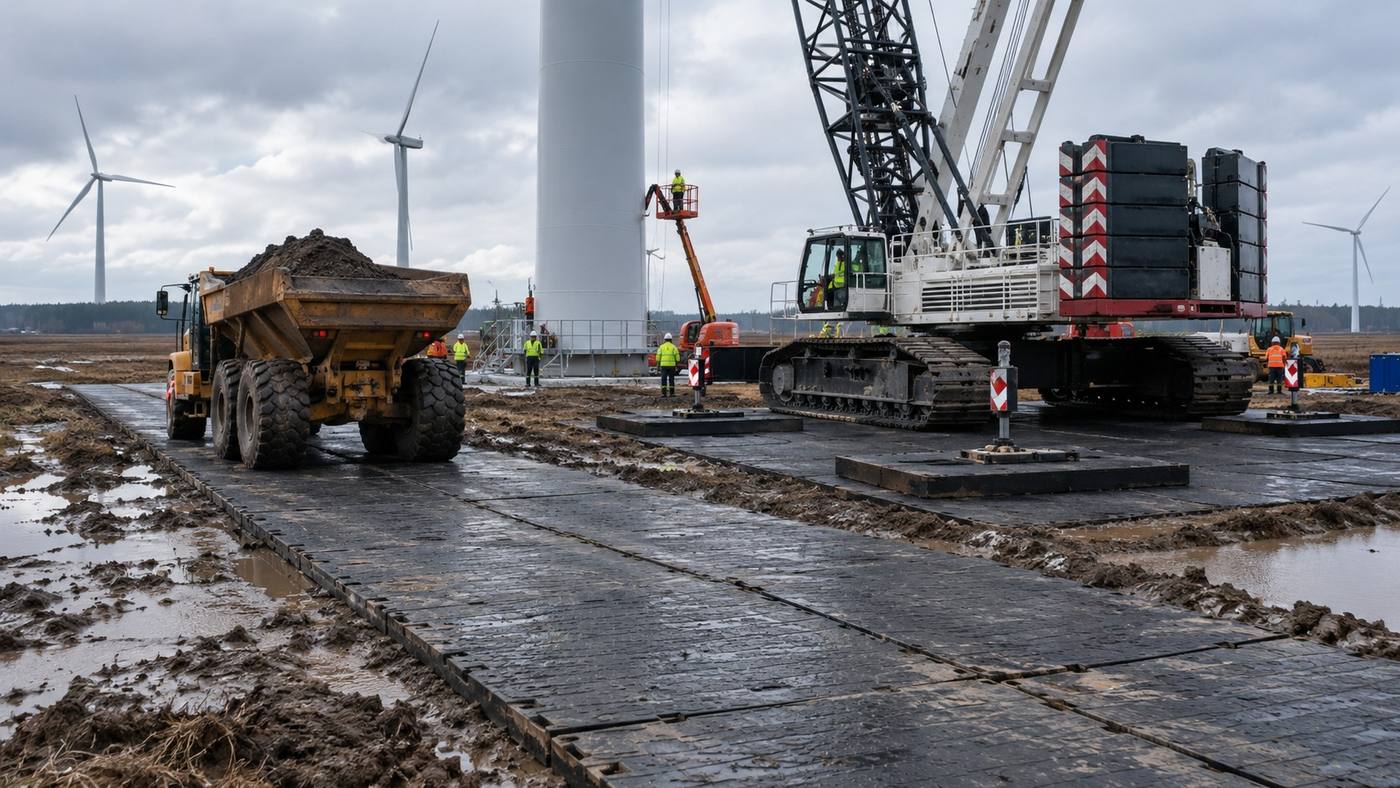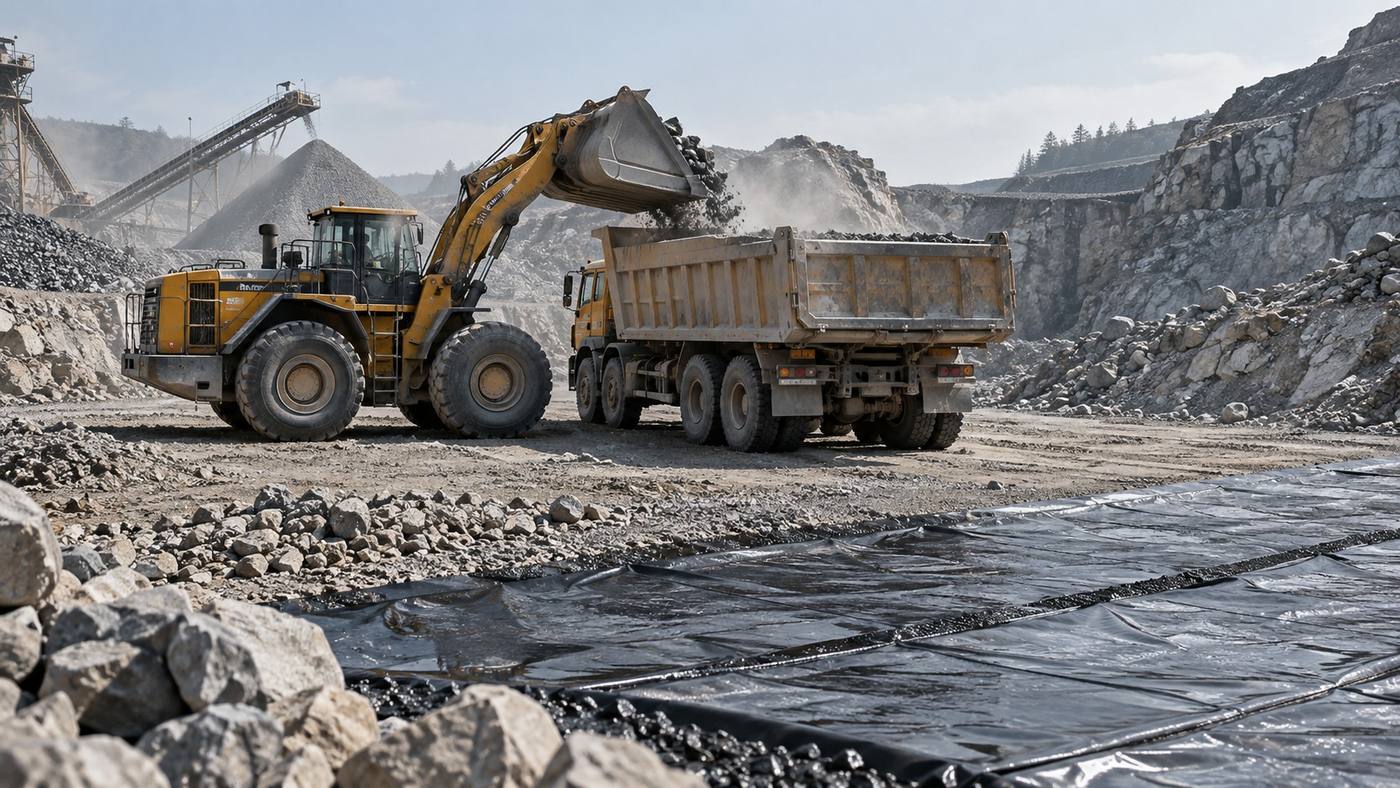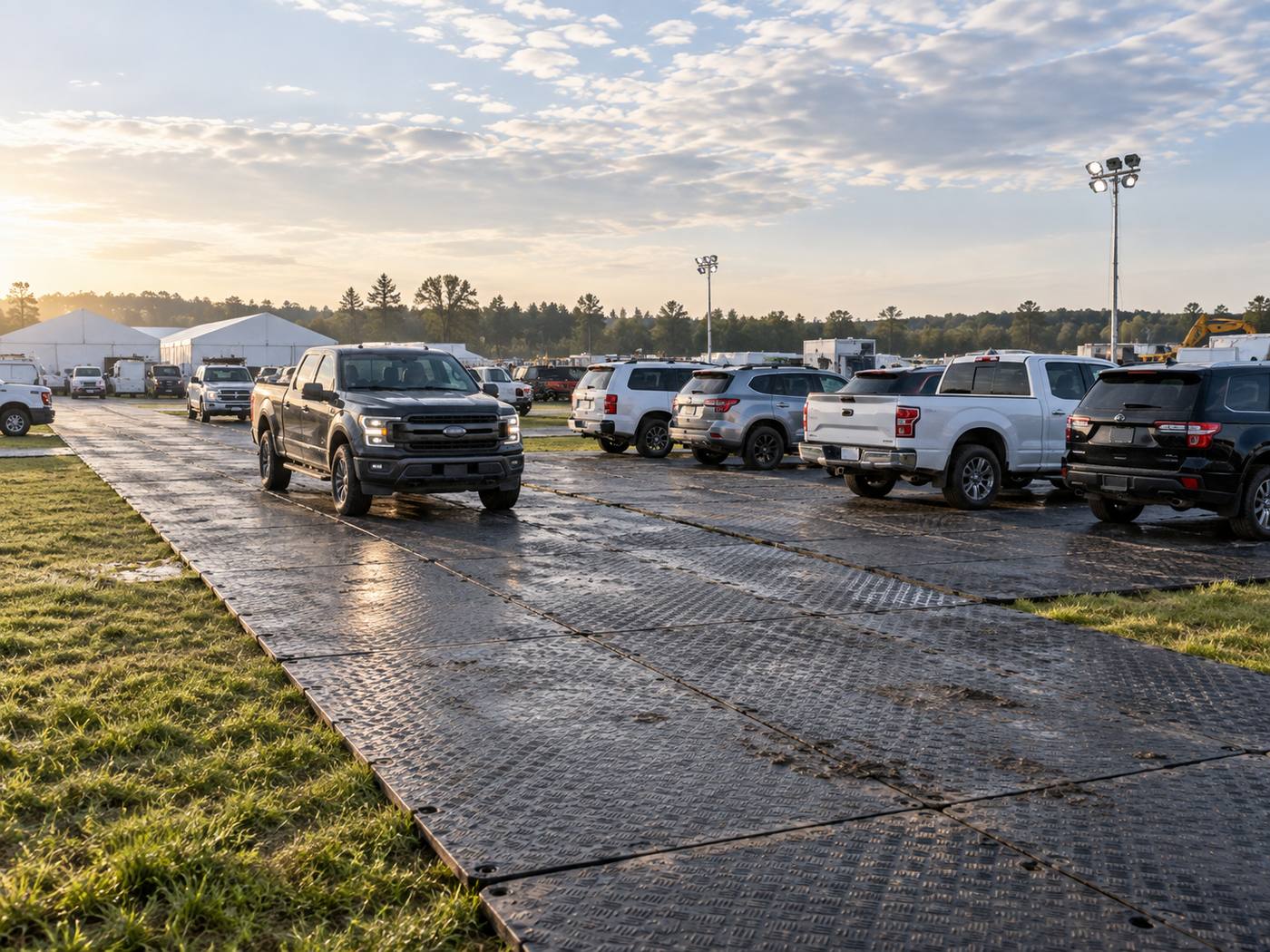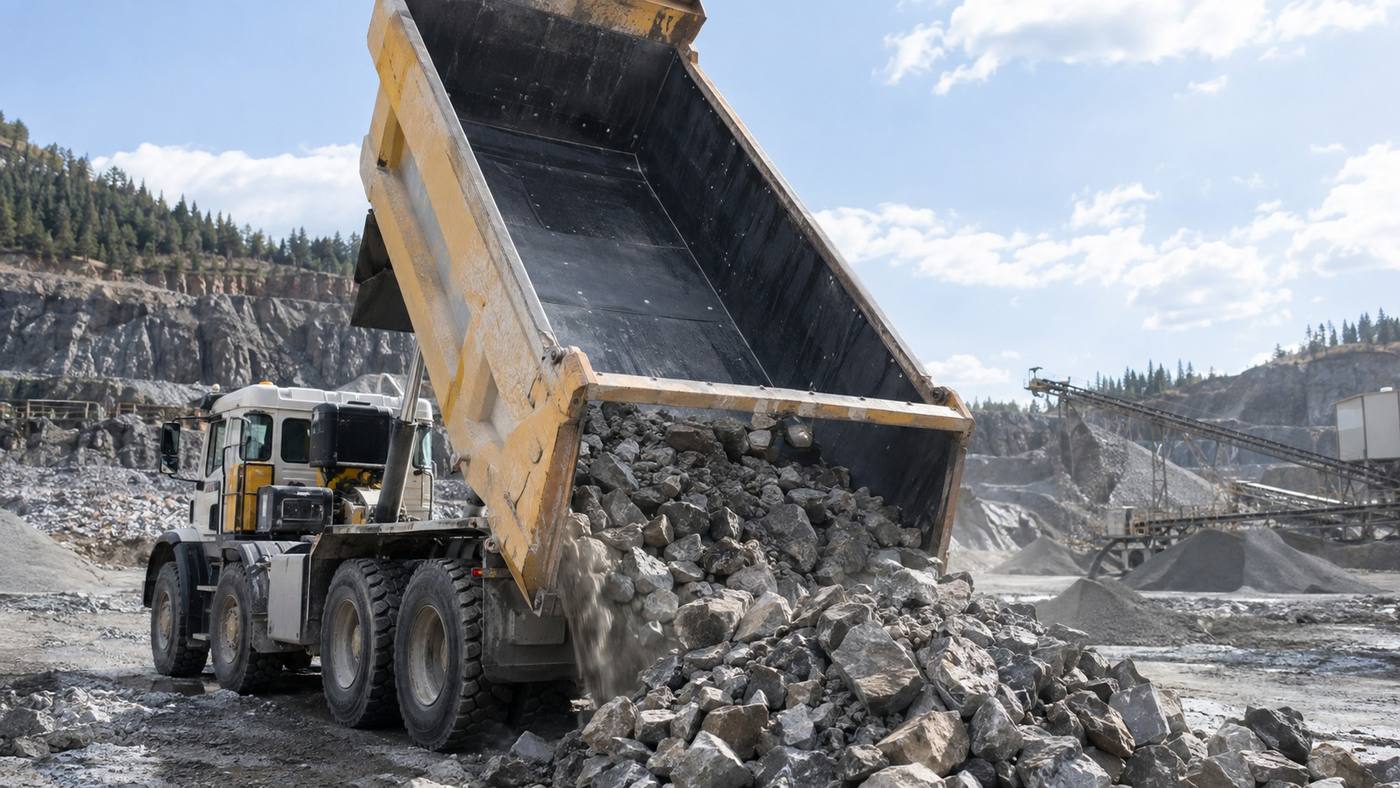
The ability of PE car skateboards to transport high temperature materials must be confirmed on the basis of specific material plate numbers, continuous temperature, peak temperature and exposure time. A temperature range in material promotion cannot be directly understood as a long-term carrying temperature. Thermal asphalt, slag, hot sand and freshly processed materials are distributed at different temperatures, and local heat packs may be well above average and lead to softening, swelling, warping or tight pore stress.
The procuring party shall measure the temperature of the material when loaded, during transport and during discharge, record the maximum duration and indicate the ambient temperature. In the absence of continuous measurement conditions, at least process sources and historical temperature records are provided. The supplier is required to indicate the performance boundary of the material at the corresponding temperature, rather than simply answering “high temperature” or “available”.
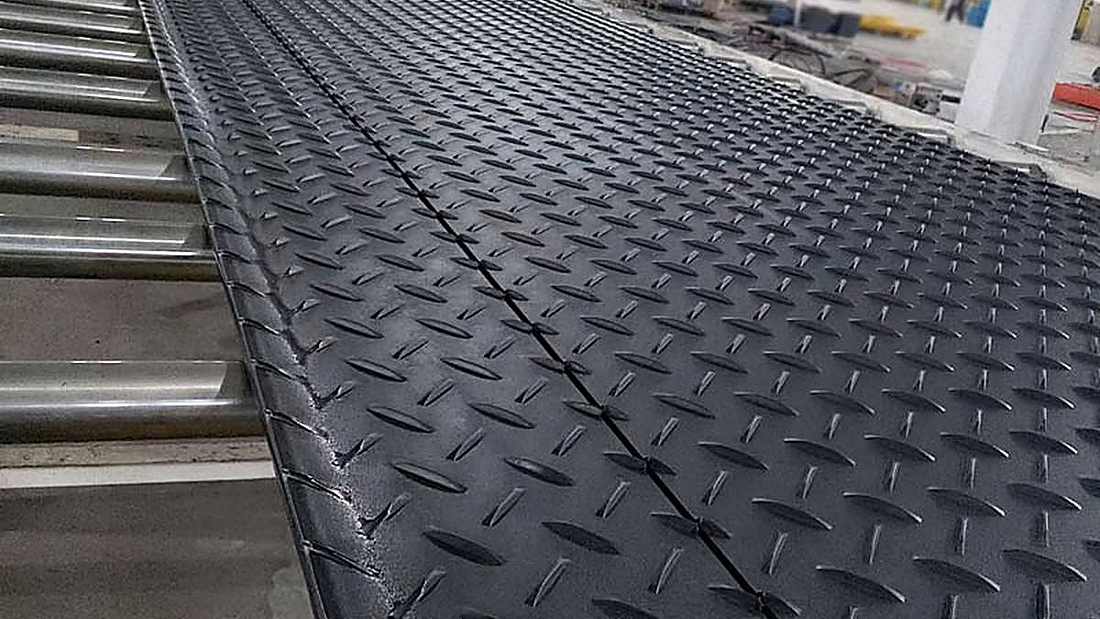
UhMWPE engineering plastic sheeting squeezed into a real picture.
Thermal expansion affects the length, seams and fixation of the plate. The design must leave a computational or empirically validated expansion gap, which should be secured in a way that limits the transfer of the plate and does not completely lock all directions. Thermal expansion of steel plates and plastics varies, and long-sized plates tend to accumulate deformations. The tail edge, bolt gasket and hole shape should be specified in the installation map.
High temperatures may also be combined with shocks and wear and tear. When materials are softened, large pieces of material are more likely to cause pressure marks or torn; sharp objects after cooling continue to wear. Other heat-resistant protection programmes may be introduced in high-temperature impact areas where necessary, or may wait for material to cool. Any programme should retain vehicle load and safe discharge requirements and not only reduce the structural reliability of the sticky material.
The request for quotations shall contain the name of the material, the temperature curve, the maximum size, the height of the material, the load, the section, the drawings of the car and the current invalid photograph. Vendors are required to include in their offers the material plate number, recommended continuous temperature, short-term limitations, gaps and fixed methods. Other materials or processes should be selected if the temperature exceeds the recognition range, rather than risking use on thicker PE plates.
Need for further evaluation of the actual project?
Applications, sizes, quantities, site photographs or drawings and delivery destinations are sent, on which we can identify more suitable products and processing programmes.