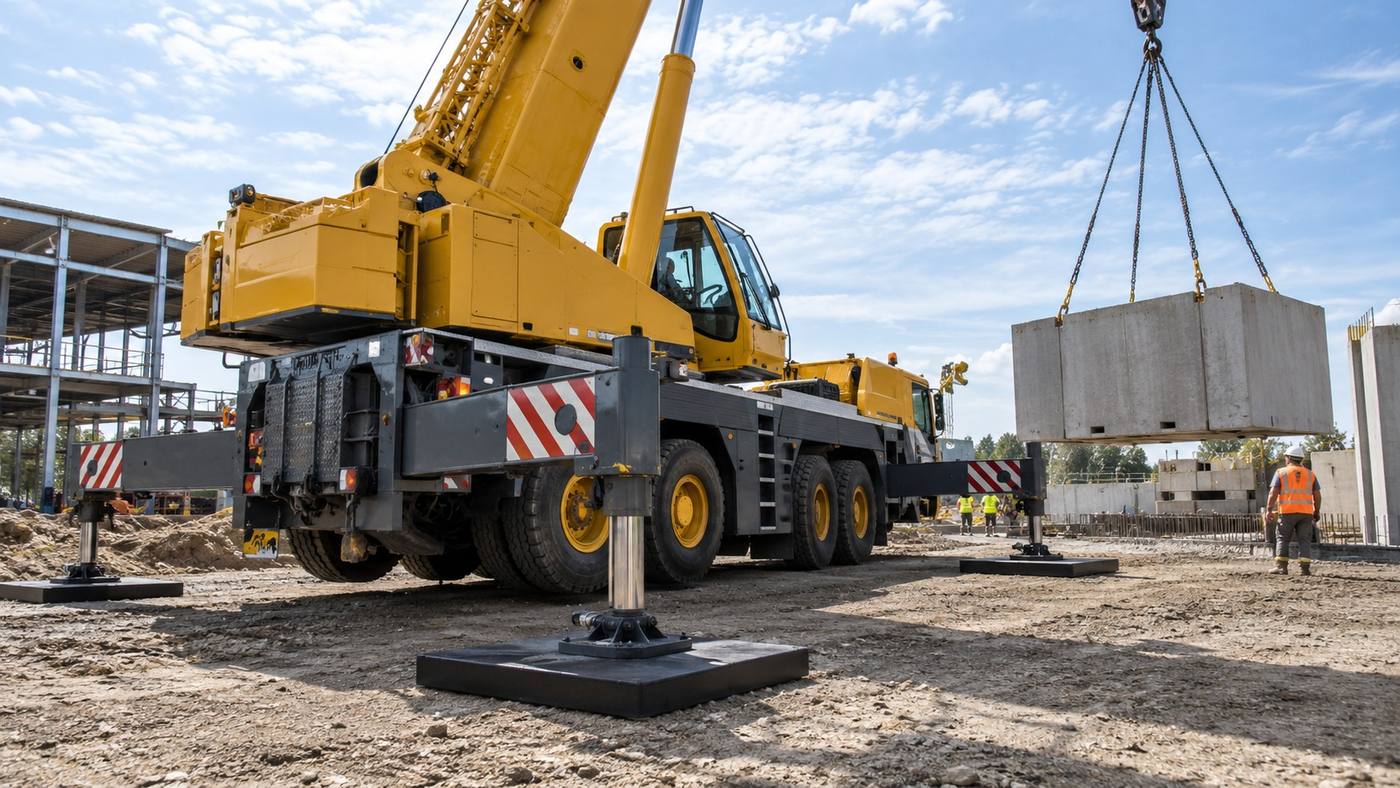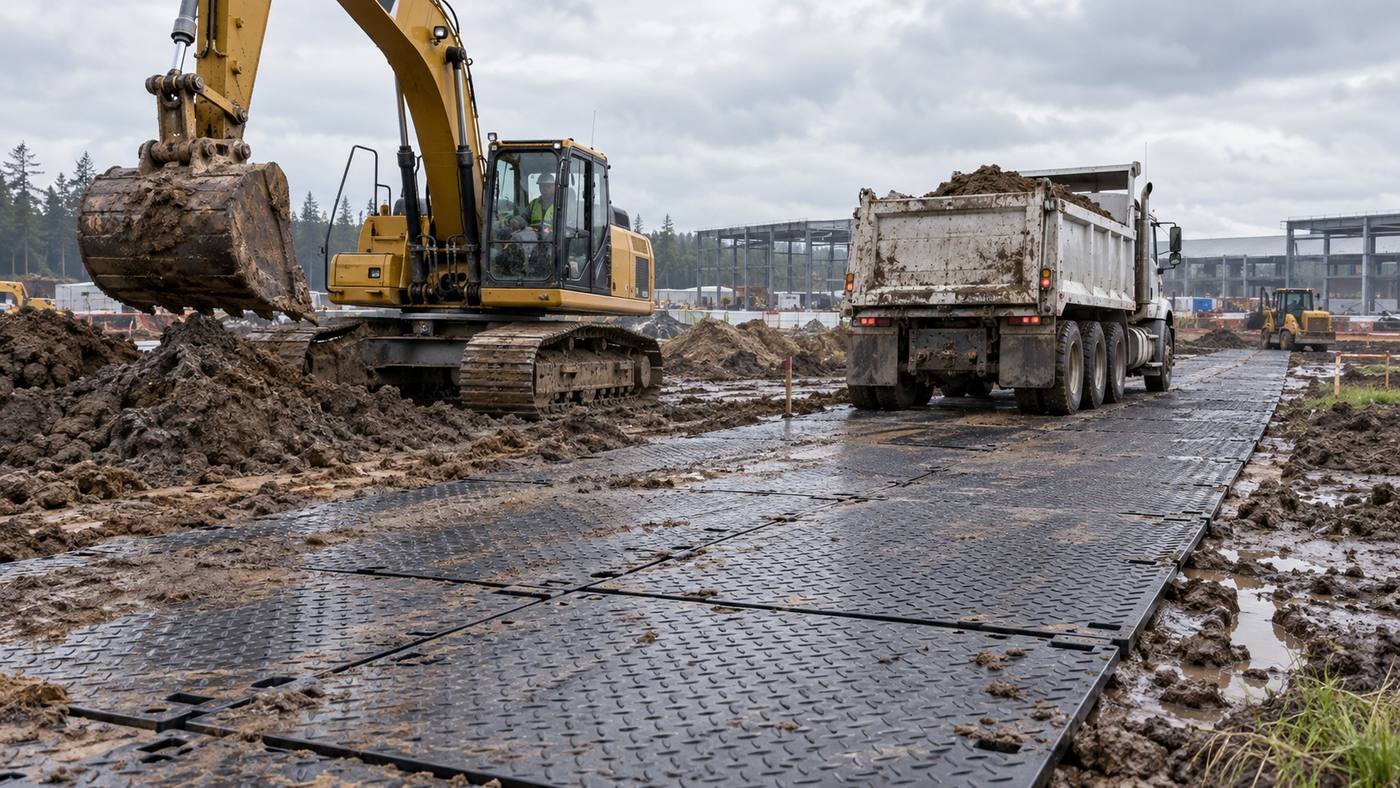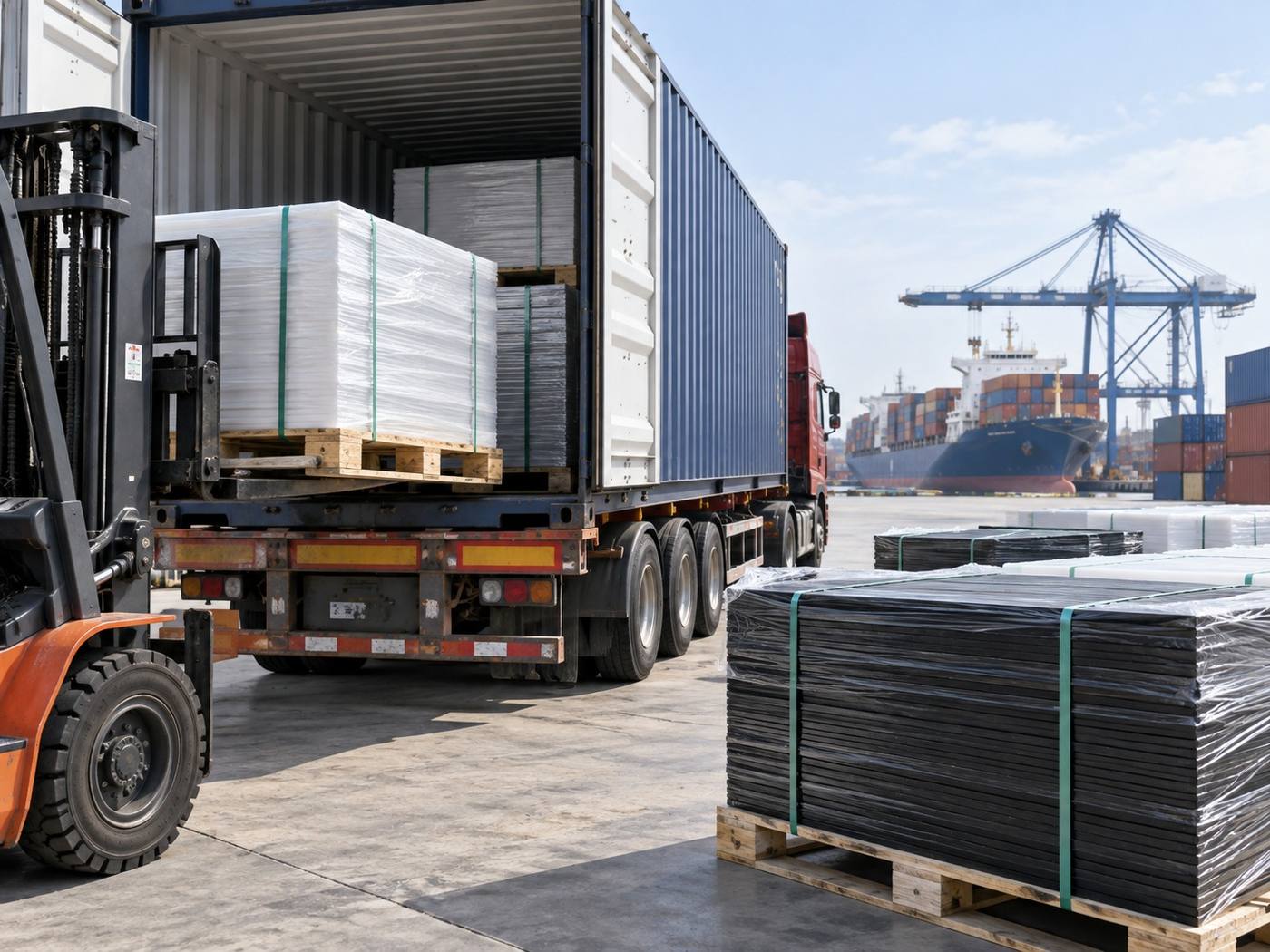
Automobile cranes and concrete pumps may sometimes share a set of leg pads, but must be based on the most unfavourable of the two types of equipment, the actual foot reaction, the size of the toy plate and ground conditions. The leg load of the vehicle hangs changes with the hanger, range and direction of the rotation, while the pump vehicle is affected by the posturing and pumping process of the arm stretch. The closeness of the overall mass does not mean that each leg has the same reaction and therefore cannot be directly judged by the tonnage of the equipment.
The procuring party shall obtain, respectively, a crane load map or maximum leg strength, as well as the leg load data provided by the pump manufacturer. The diameter, shape and manner of contact with the mattresses of the two discs are also measured. If one of the units is smaller, it may be more disadvantageous for the pad to bend in part; if the other is more retrogressive, the area calculation will be controlled by it. The common specifications must be checked simultaneously.
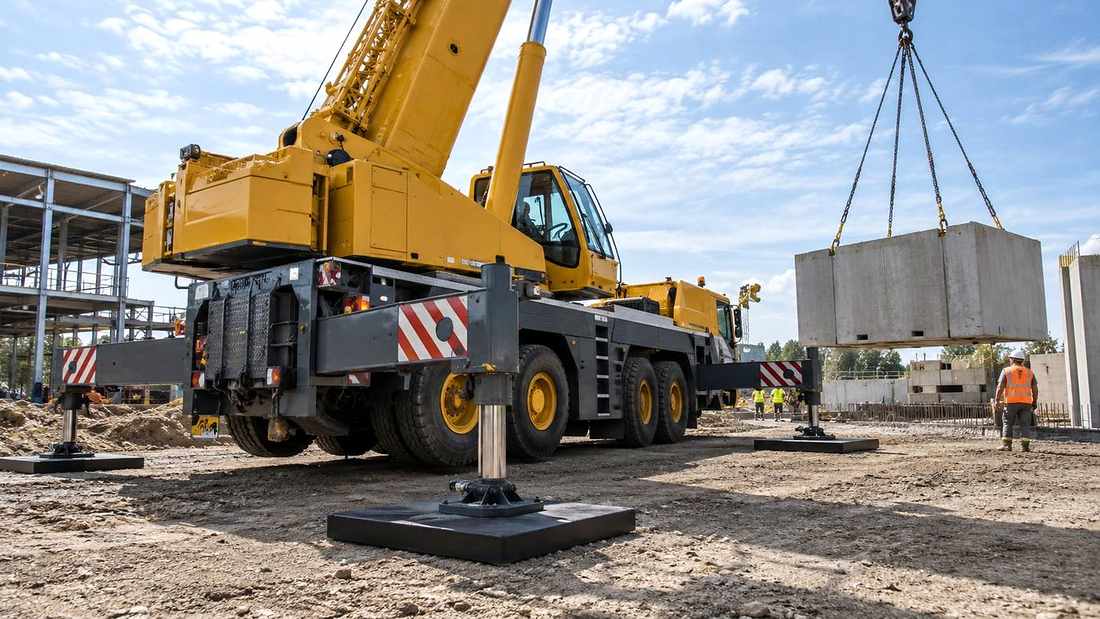
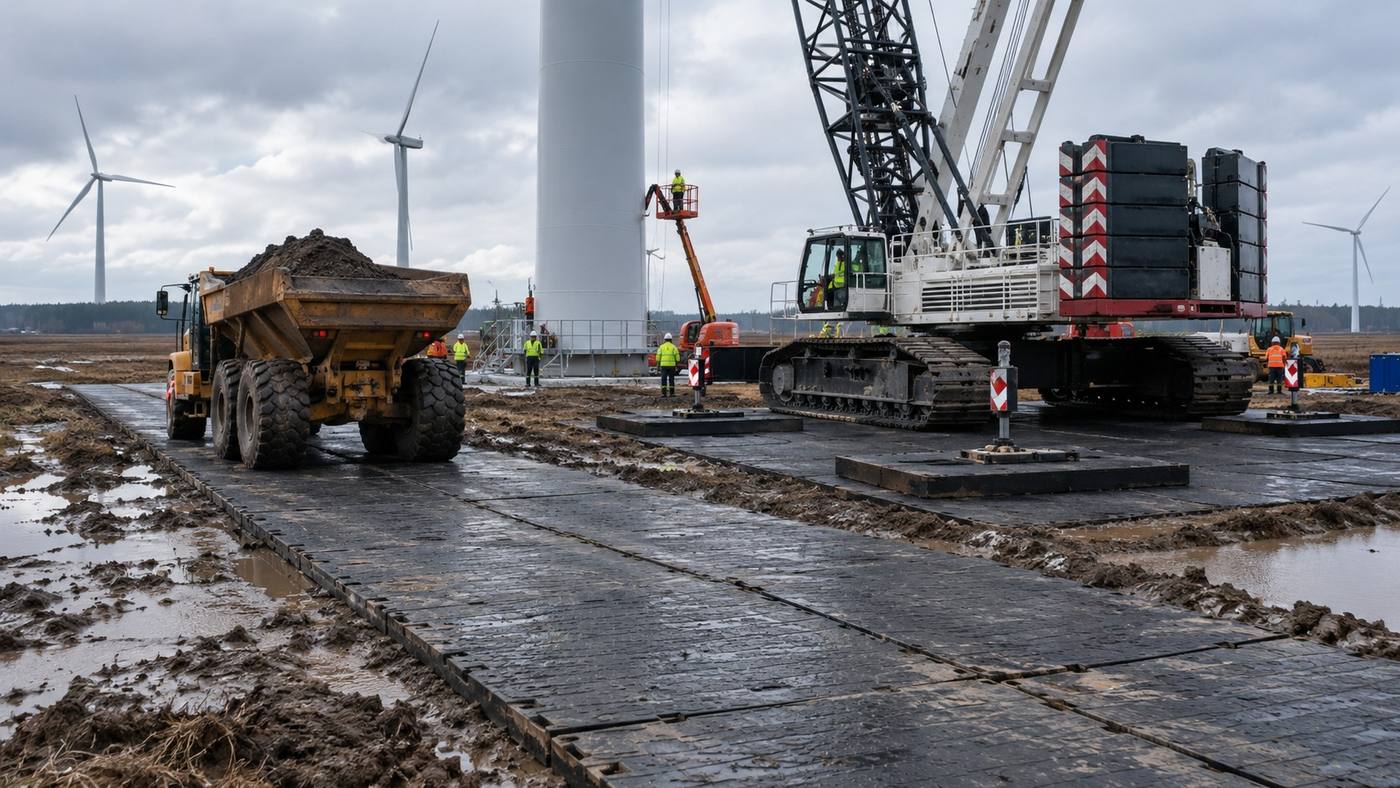
Application of leg pads at the work site of the lifting equipment (inventory material for the plastic network).
Site deployment also affects interoperability. Pumping vehicles often operate on the edge of the road or near the floor, and cranes may operate in larger hanger areas, where backfills, underground pipes and slopes are not identical. The pads could be standardized, but the ground-based check before use could not be omitted. The plate shall be flat, and as far as possible the disc shall be centered and the legs shall not exceed the limits of the plate.
With respect to handling, the size and weight of the shared pads may increase if they are designed for maximum equipment. The leasing company should confirm the safe movement of personnel through ropes, handles, carts or machines and establish inspection and cleaning records. In the case of frequent handling of heavy pads for small pumps, the actual operator may switch to an unqualified substitute, increasing the management risk.
The request for quotations is accompanied by the submission of the two types of equipment, the maximum retroactivity of the legs, the size of the pedal, the typical ground conditions and the conditions for handling. Vendors were requested to provide information on the control work of the shared programme and to list the locations not applicable. When the difference is too large, it is often more reasonable to configure the two-storey specifications than to simply share them. End-use should continue to follow equipment specifications and on-site operations programmes.
Need for further evaluation of the actual project?
Applications, sizes, quantities, site photographs or drawings and delivery destinations are sent, on which we can identify more suitable products and processing programmes.