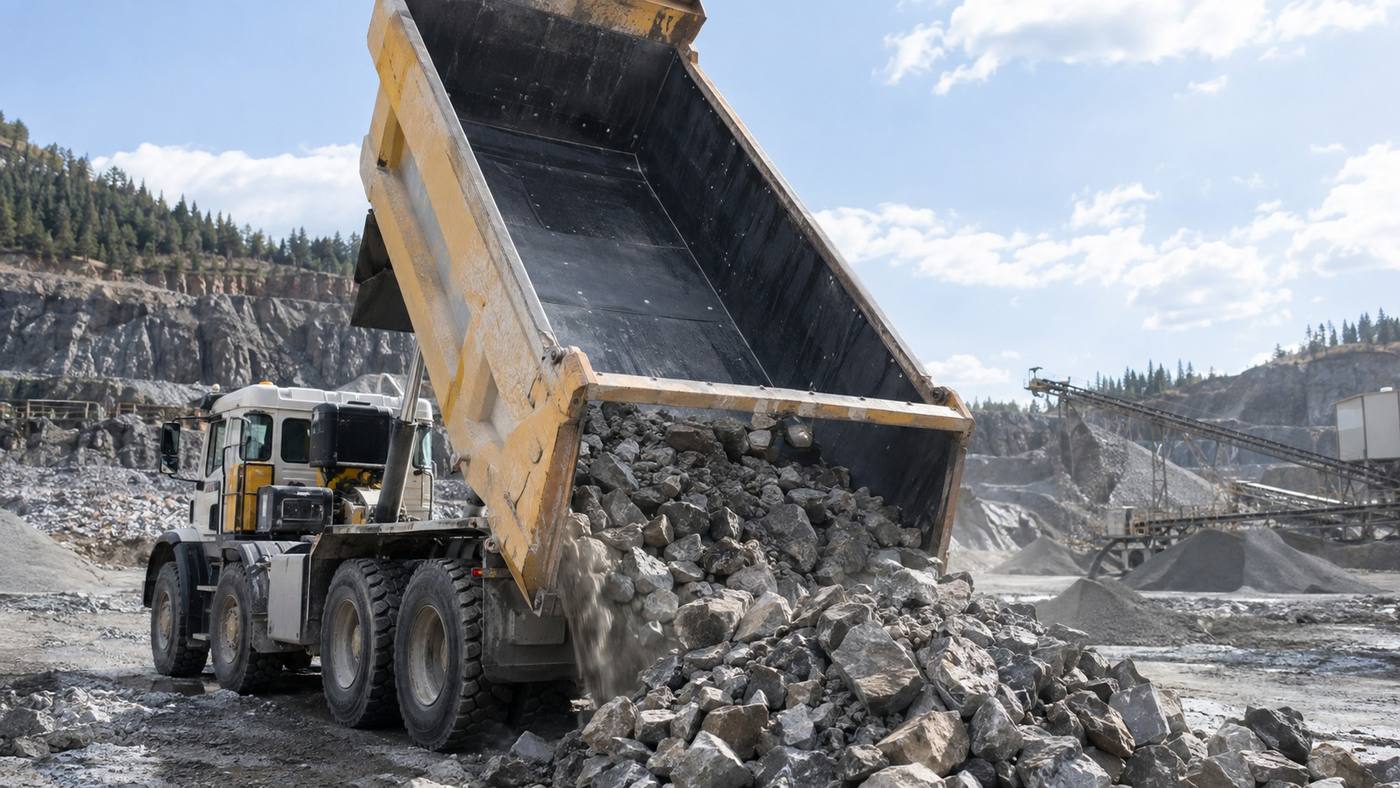
The fact that the panel has been installed with a local hanger does not necessarily mean that the package is invalid. Residues are often concentrated at the corner of the front wall, tail pressure, bolt head, plate suture, dent in the carriage or in the gutter. Changes in the water content rate, temperature and fine powder ratio of the material can also cause sudden variations in the smooth slide. The screening should first record the fixed position and conditions of the attached material, then distinguish between geometric steps, installation problems, plaque damage or material change.
During the inspection, the carriages were completely lowered and isolated in accordance with security procedures, after cleaning the panels to see if the seams followed the flow of materials, whether the hard-walled items were bulged, whether the plates were drummed or constricted to the tail. If there are unrehabilitated welding scars, puddles or access to fine material under the liner, the panel may also be elevated to a local height. The forward end and side wall transitions too steep to allow the mucous to form wedge piles, and the replacement of less friction sheeting may not eliminate.
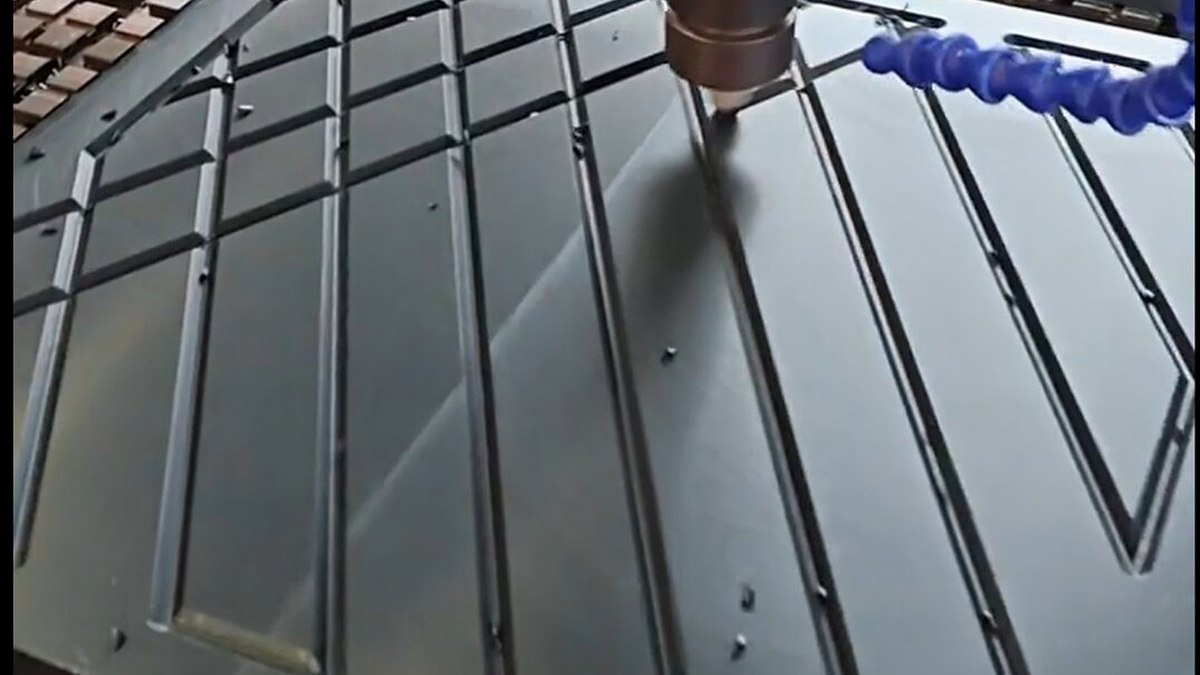
Sludge-proof texture processing and plate detail on the surface of the car.
Material parameters need to be checked simultaneously. The same “wet soil” is very different in terms of water-bearing rates, clay minerals and temperature; fine powder may also be condensed with large aggregates. Whether or not the problem is really concentrated is judged by the load, transport time, lifting angle and residual weight before and after installation. Drivers should not be used as normal performances for brakes, flashes or liftings, as these actions mask structural problems and increase risk.
The method of repair should be chosen for the reasons. Prominent tights and seams can be reprocessed by the installer as designed, the alien under the plate needs to be dismantled, and the severe drum pack needs to check the hot and condensed space. If the surface has been cut out by sharp objects, repair or partial replacement should be assessed. All operations were carried out under conditions of reliable support for cars and energy segregation, and personnel were denied access to unsupported lift cars.
Rapid judgement is facilitated by the provision of the supplier with photographs of the position of the attachments, the carriages and liner drawings, the temperature of installation, the method of securing, material parameters and offloading records. The resolution of the local latency usually relies on a combination of geometrical transitions, installation gaps and operational conditions, rather than blindly changing the entire liner.
Need for further evaluation of the actual project?
Applications, sizes, quantities, site photographs or drawings and delivery destinations are sent, on which we can identify more suitable products and processing programmes.