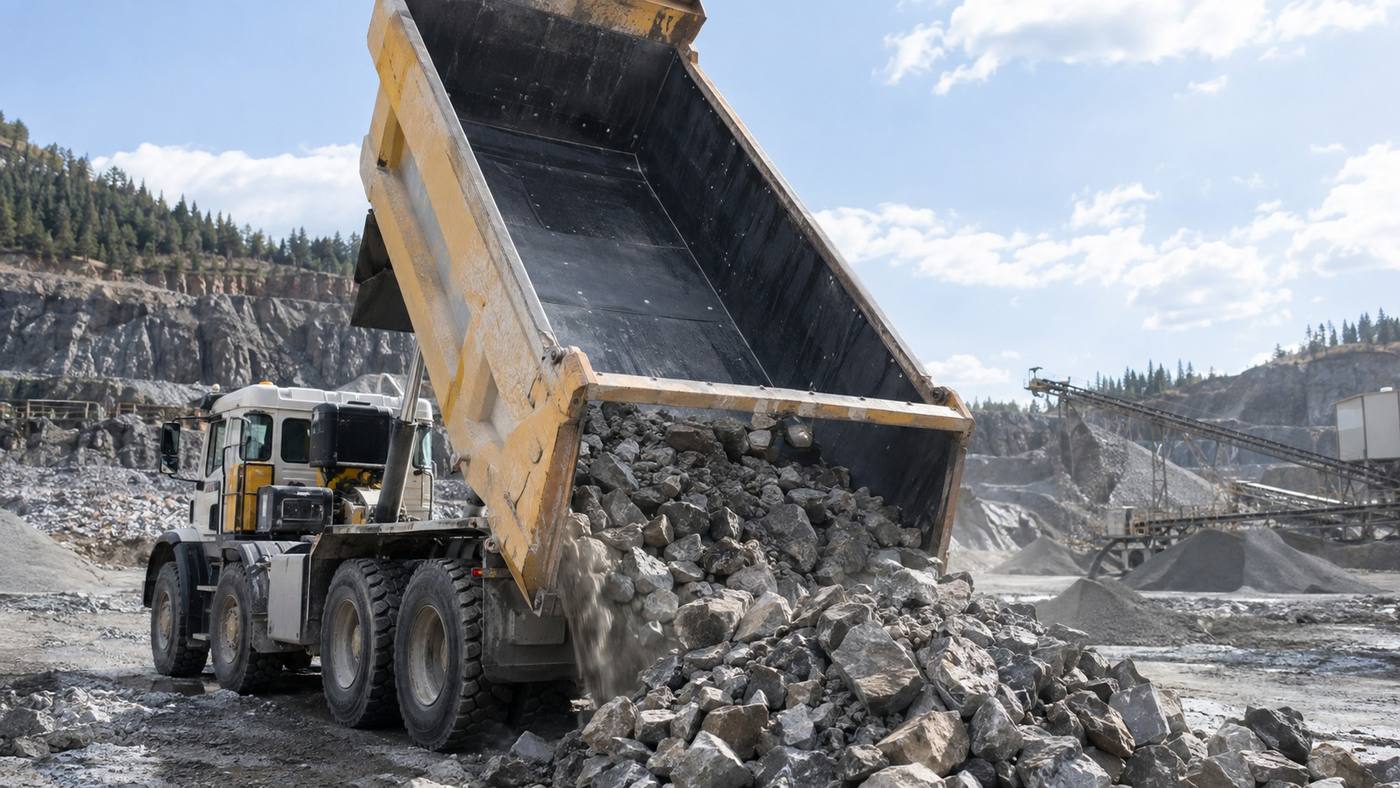
Whether or not the panels are replaced cannot be seen only as old or colour changes on the surface. More meaningful indicators include residual thickness, uneven wear and tear, deep ditches and cut-off, cracks around tight contour holes, plate drums, material entering under the plate, and a marked deterioration of discharge time and residues. A slight flat polish may still be available, but local grinding, sharp cutting or fixed failure can expose steel plates and alter material flow and should be processed in a timely manner.
The fleet can establish baseline thickness and photo location at the time of installation of the new panel, and set fixed monitoring points in the former tribal area, the central slide, the tail and on both sides. They are measured and recorded by cycle number or time, rather than waiting for failure to be checked. The rates of wear and tear vary widely among the different materials, sandstones produce grinding and grinding, wet clay may be more concerned with the attached material and mixed building garbage may cause sudden cutting, so the inspection cycle should be adjusted to the most severe conditions.
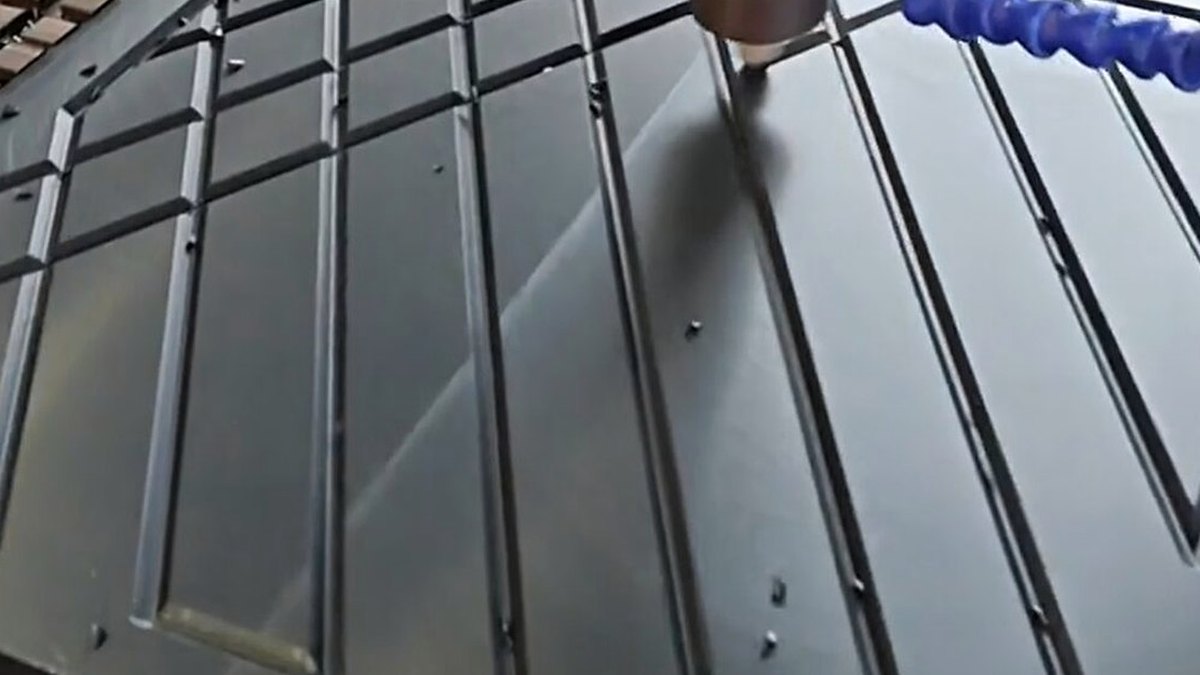
UHMWPE liner texture, groove processing, and thickness check (contribution material)
The scope and causes of the damage are to be judged prior to maintenance. The issue of loose, edged-strangling or small-scale sutures may be addressed in accordance with the vendor approach; local or plate replacement is usually required in the case of deep trenches, cracks, hole pulls, visible permanent deformation or large areas below the permitted residual thickness. Unknown polymers cannot be directly repaired by common welding, and no new hangpoints should be created on the surface with metallic pieces.
All inspections and maintenance are carried out under conditions of reduced carriages, energy separation or use of qualified mechanical support. Personnel are not allowed to enter cars where lifting is maintained by a hydraulic system alone. When replaced, check whether the steel structure under the plate is worn, corroded or fractured and address the cause of material entry and water accumulation. The transition of old and new plates needs to be smooth, with hot and cold and tight designs consistent with the original programme.
The request for quotations or spare parts plans should provide the original plate number and thickness, the use cycle, material composition, thickness records, damage photographs and expected shutdown windows. Vendors can assist in the development of alert thickness and spare parts partitions. The use of proactive, measurement-based replacements is usually more manageable than grinding and repairing together with the steel plate of the car, and can also maintain offload efficiency.
Need for further evaluation of the actual project?
Applications, sizes, quantities, site photographs or drawings and delivery destinations are sent, on which we can identify more suitable products and processing programmes.