Before laying temporary roads in underground pipeline areas, it is first necessary to confirm “accessibility” and secondly to choose which pavement. Materials for water, gas, electricity, communications, drainage pipes and subsurface structures, land cover, age and permitted load are different. Road-pailing boards can only expand the area of operation of tyres and cannot prove that the lower pipe or well room can withstand heavy vehicles. The project shall obtain up-to-date drawings, completion information and an owner ' s licence, and shall be located by persons who are in a position to do so, with the necessary on-site verification.
The checks include the surface and depth of the line, the routing and materials, the location of the interface and valves, the examination of the level of the well, the damage, the quality of the backfill, and the presence of any abandoned holes. The location of the drawings may differ from that of the site and cannot be judged solely by the surface line. Project procedures should be followed for any detection, excavation confirmation and load assessment. If the structural load is not clear, the route should be adjusted, the vehicle restricted or the design of the cross- and sub-loading structure should be used instead of trying to pass with thicker plastic plates.
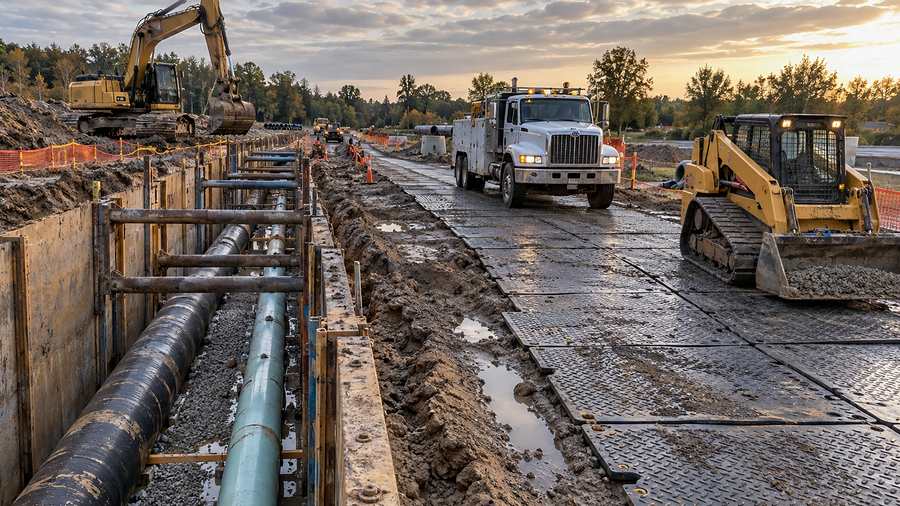
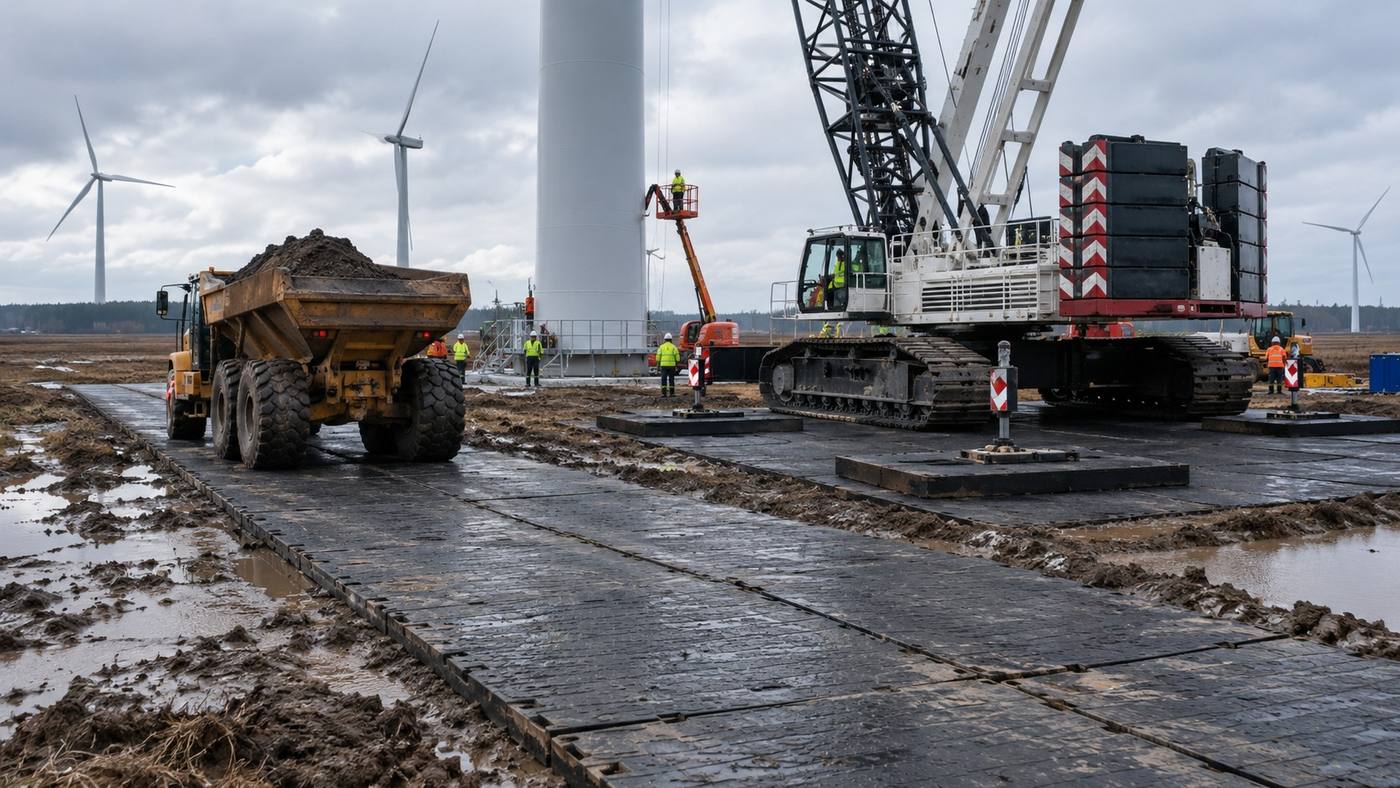
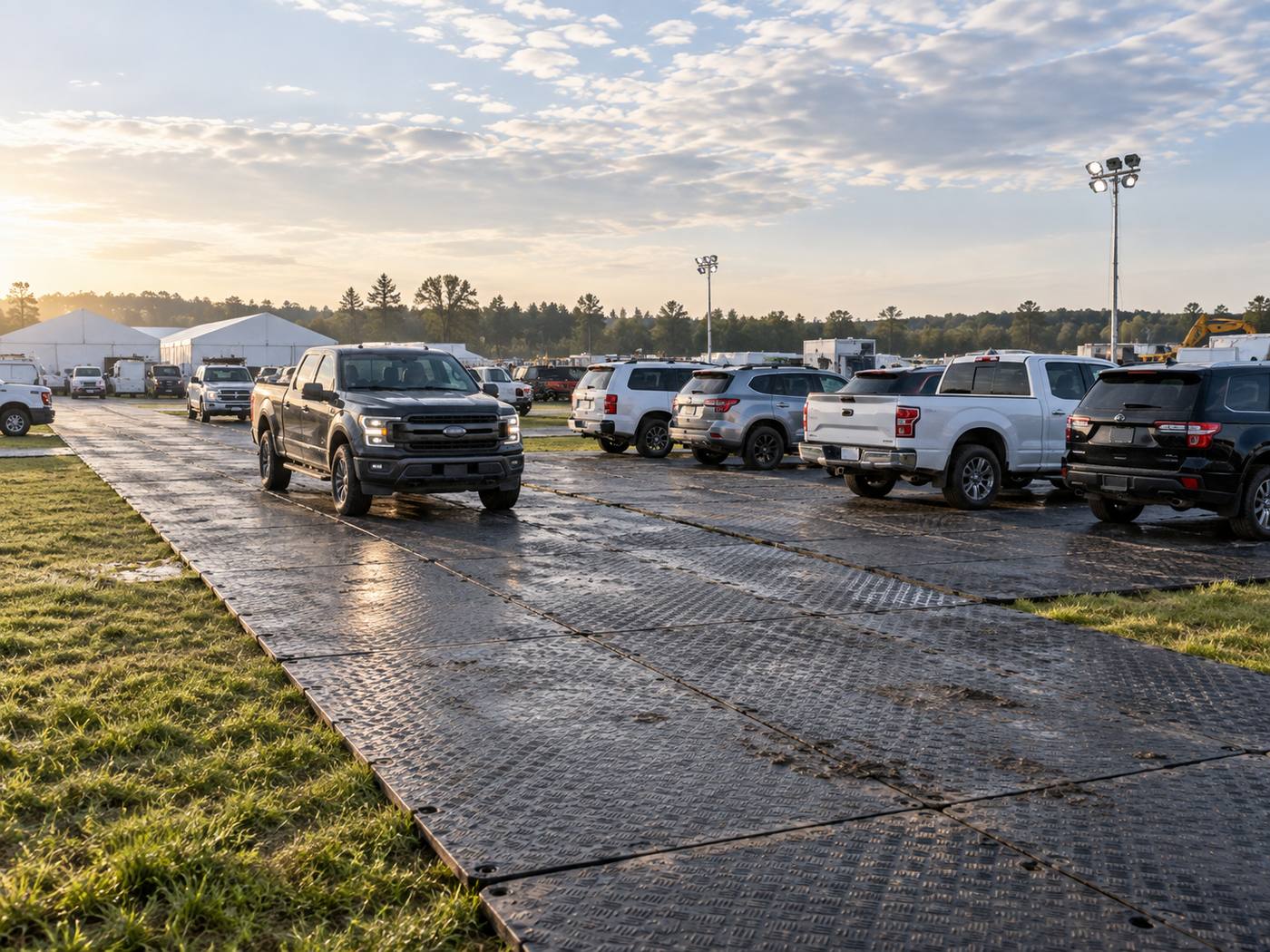
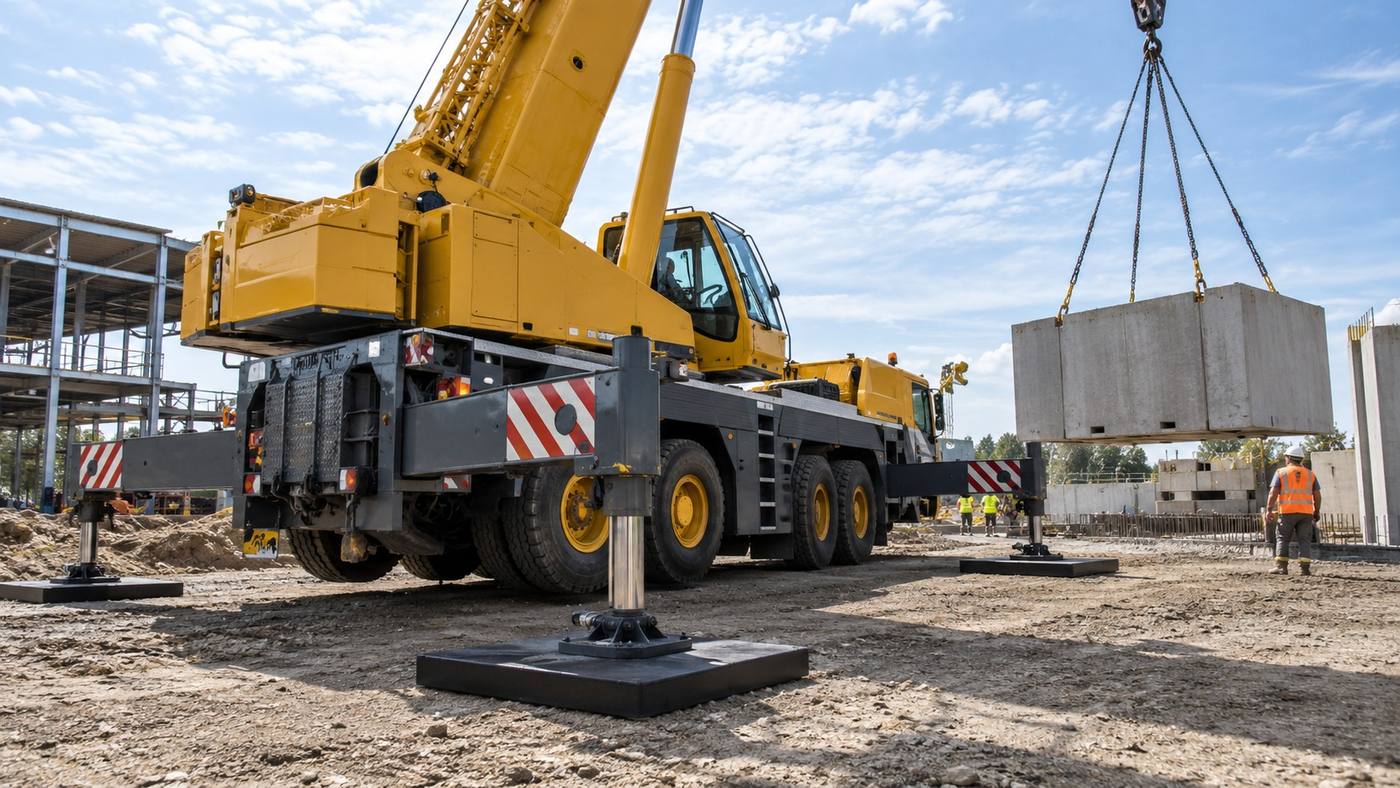
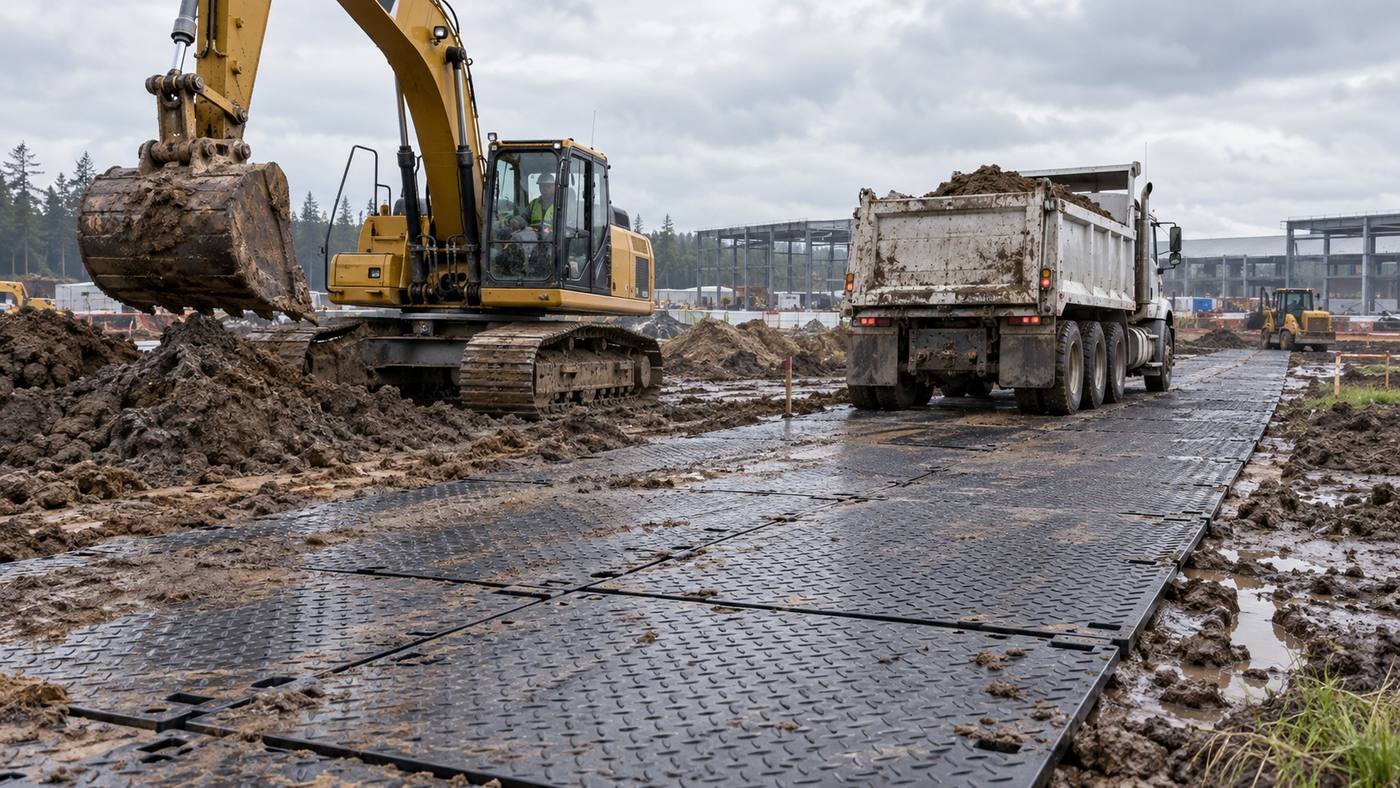
Road pavement adjacent to the underground pipeline for the construction of vehicle traffic (new construction site map)
Once access has been determined, successive grass-roots and paved roads will be installed. The route is as far away as possible from the weak tube and is not to be located on valves or well covers at turn, brake and long-term parking points. The plates shall not cover valves, fire-fighting facilities or monitoring points that require operation; they shall be covered by clear numbers and a rapid dismantlement programme. Connections may not be installed under the ground, nor can the site be randomly attached to fixed plates.
The type, velocity and frequency of the vehicle shall be restricted during operation and new surface depositions, cracks, well covers, scents, leakages or service anomalies shall be observed. Unusual immediate decommissioning, isolation and emergency procedures reporting by pipe owners were found, and could not self-destruct or continue to crush. Additional inspections should be conducted after the rain and after the first adoption of the large equipment, as refill softening may change the load transfer.
The approved route, vehicle axle, ground condition and life cycle are provided to the pavement supplier for product selection; the carrying permit for the underground facility is confirmed by the facility owner and project engineer. The implementation of separate information checks, on-site positioning, load approvals and road management will allow the pavement to function as a surface protection without masking underground structural risks.
Need for further evaluation of the actual project?
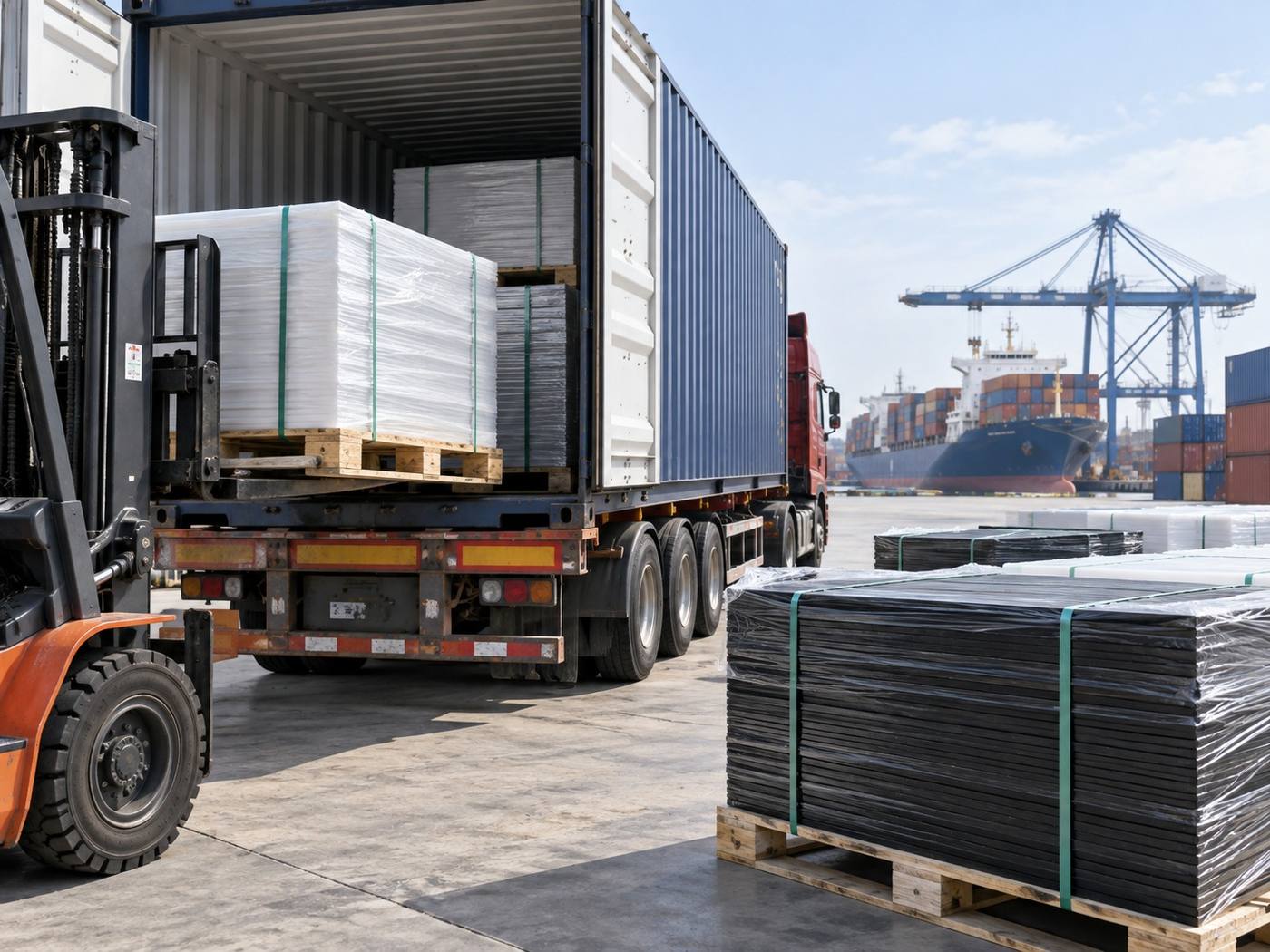
Applications, sizes, quantities, site photographs or drawings and delivery destinations are sent, on which we can identify more suitable products and processing programmes.