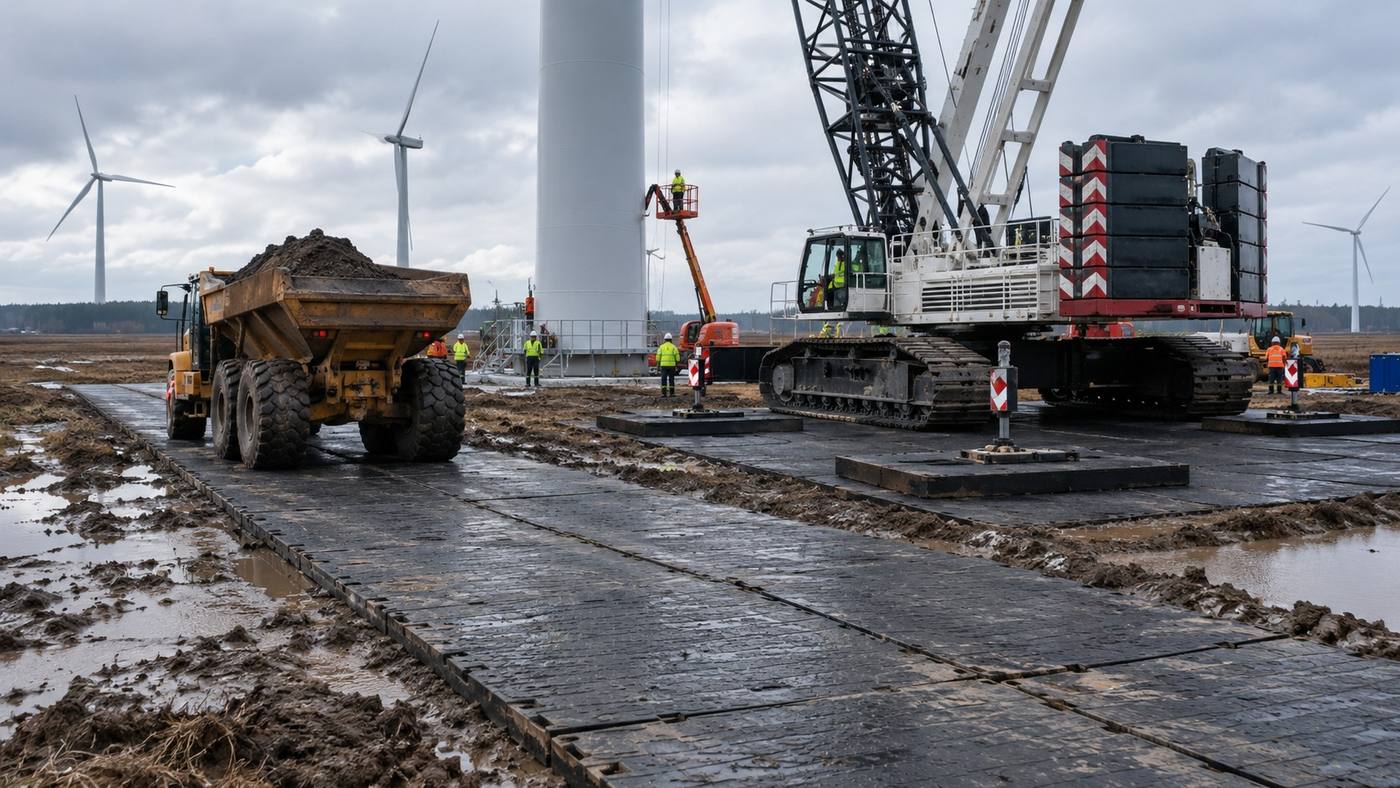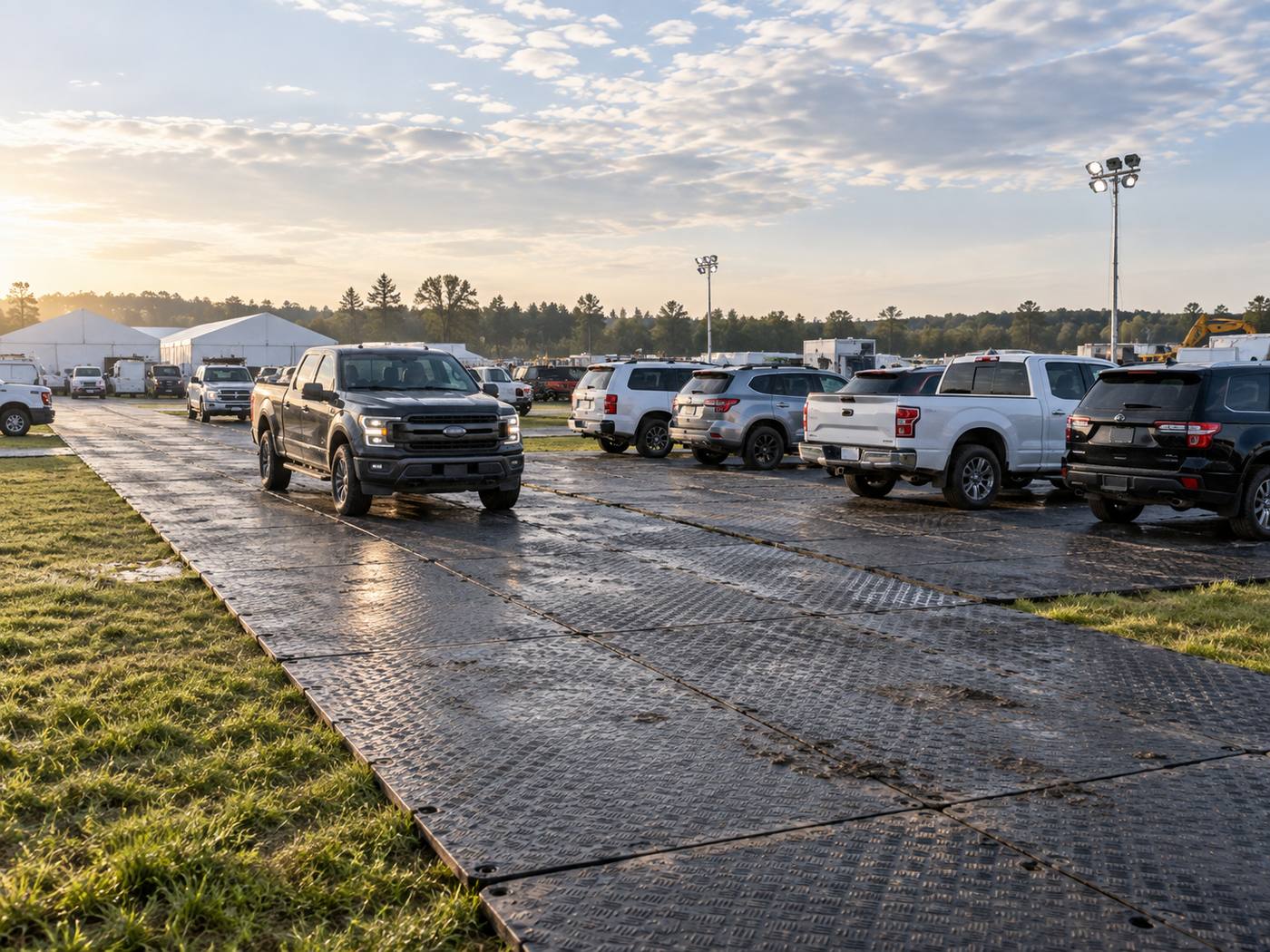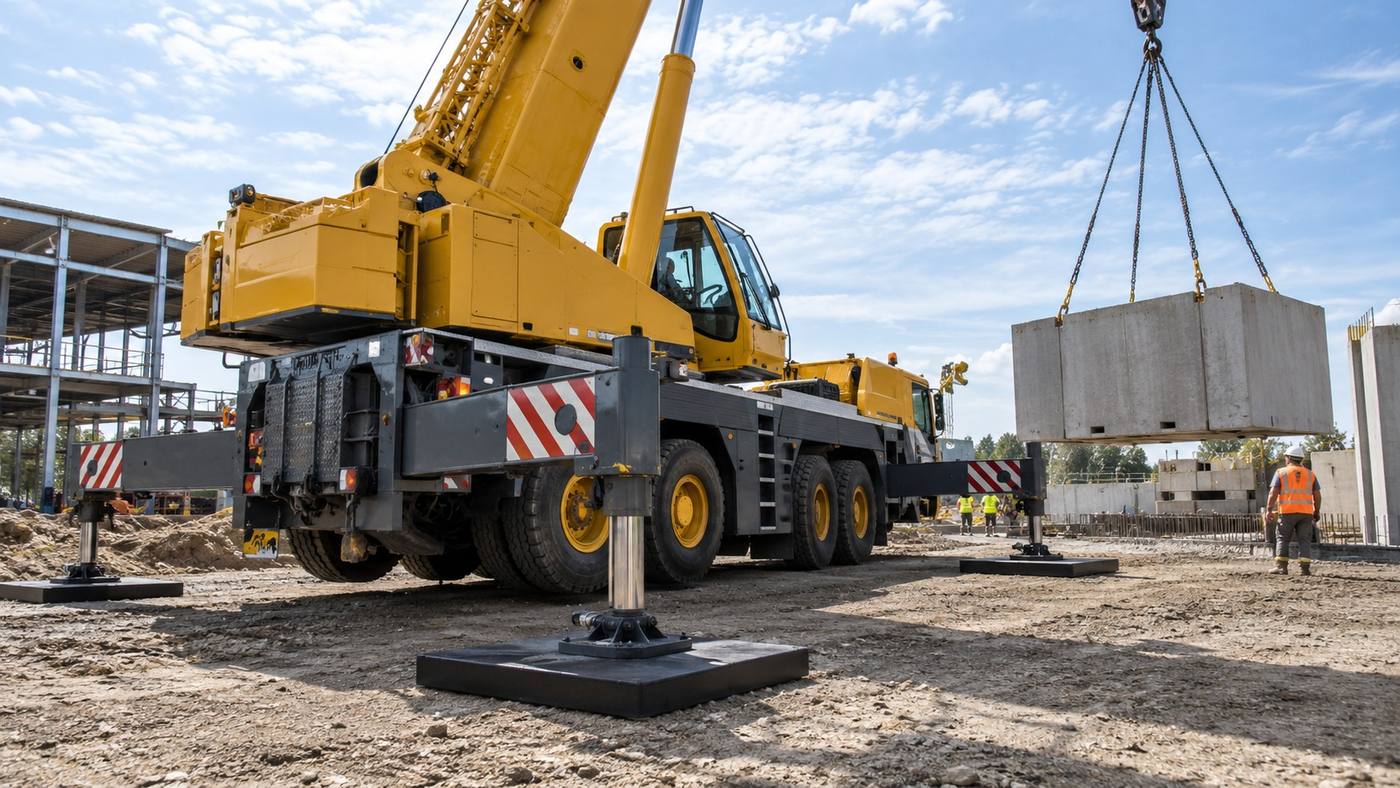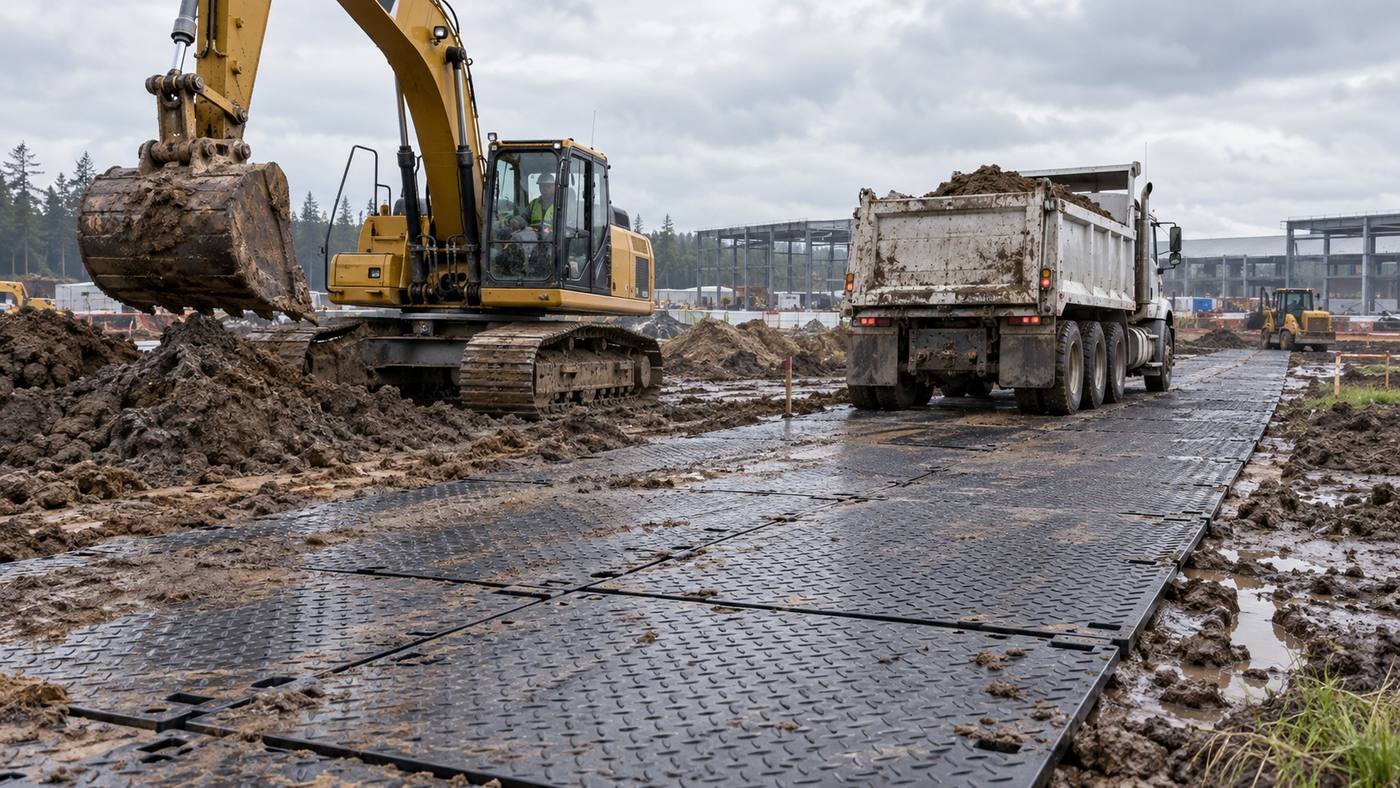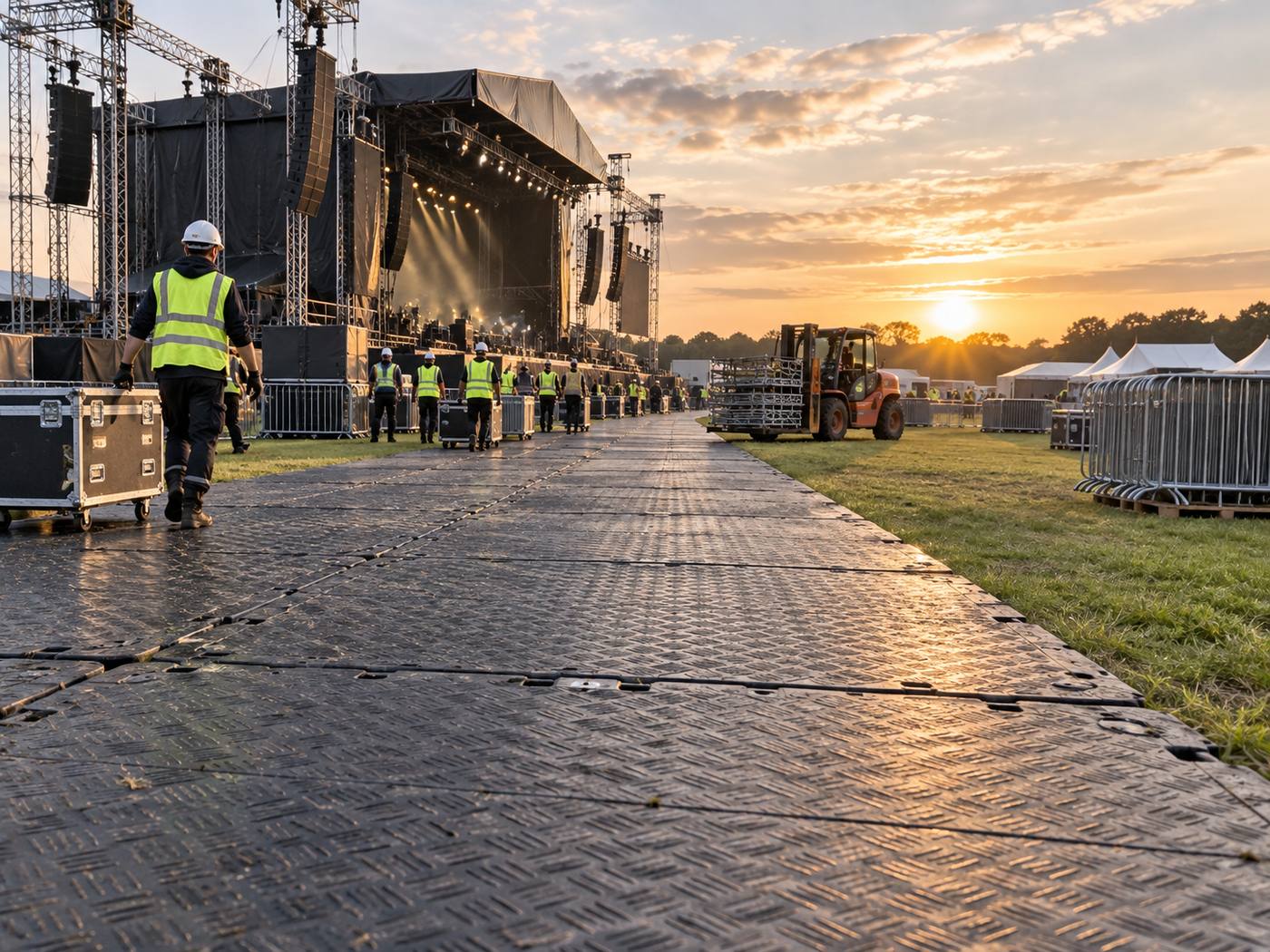
Rain will change the water-bearing, drainage and carrying state of the earth under the leg mattress, and will therefore require a re-check after the rain, depending on the results and the equipment procedures. The absence of a visible movement of the pads does not mean that the foundations are not softened, and the water may either be taken from under the plate or refilled by the side. For cranes, pumps and high-altitude operating platforms, weather changes should be used as a trigger for ground review rather than until the equipment is visible and tilted.
Checks began with drainage around the legs to see if there was water stubble, flushing, maggots, earth cracks and the edges of the mats were emptied. It was then checked whether the pads were still on a continuous basis, whether the legs were centered, the equipment level indications and the legs were extended in a manner consistent with the original programme. If the ground is close to a ditch, well room or slope, it is also confirmed that the rainfall has not caused collapse, changes in support or new soft spots. All inspections should be conducted in a safe condition.
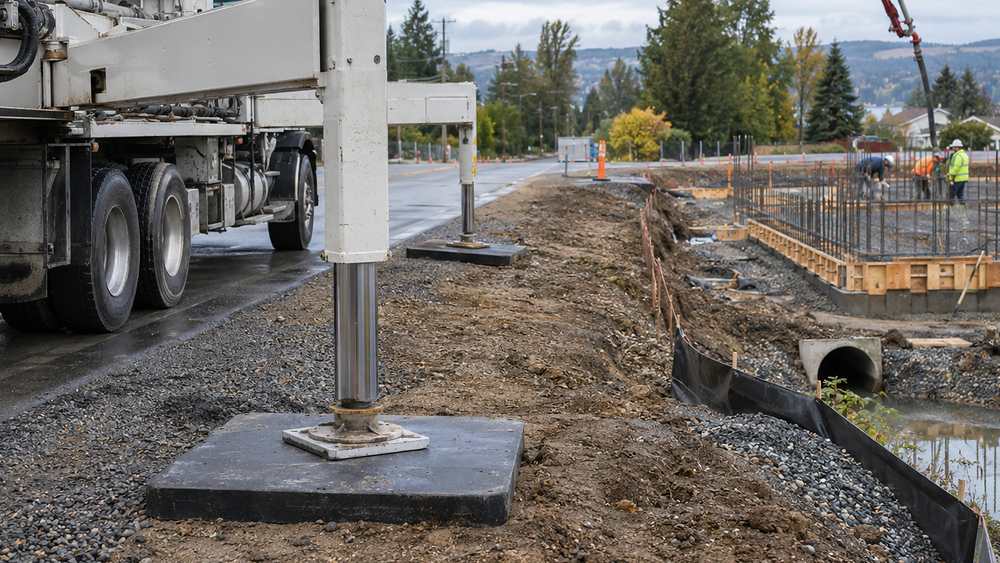
Pumper legs and large polymer pads on the wet construction site (new construction site scene)
When sinking or flatfall is found, the equipment is stopped and the load reduced or removed for reprocessing in accordance with the manufacturer ' s and on-site operating procedures. It is not possible to place a hand under the pad or simply to add a small pad to it. In the event of a need to restore the base, change the location of the equipment or expand the area of the payload, the approval of the responsible person shall be obtained and the re-checking of the retroactivity of the legs and ground conditions.
Even if there are no anomalies, they should be closely observed in the early stages of the resumption of operations. The retrogressive force of each leg changes when the arm of the crane or pump changes direction, and softening the foundation may follow. For continuous rainfall, the frequency of inspections per shift could be increased and the sediment benchmark set. The mud and water on the mattress surface will also be cleaned to ensure that the inspectors can see the cracks, cut-off and handle state.
The request for quotations and equipment files should be maintained in terms of plate specifications, the use of temperature, maximum retroactivity of legs, inspection standards and vendor maintenance recommendations. Post-rainfall reviews do not amount to moving the pads each time, but rather confirm that the foundations, pads and equipment are still in authorized status with the same set of documented steps. This would avoid continuing to rely on the initial balance when the earth has changed.
Need for further evaluation of the actual project?
Applications, sizes, quantities, site photographs or drawings and delivery destinations are sent, on which we can identify more suitable products and processing programmes.