When the high-altitude operating platform is on the grassland, ground stabilization has a direct impact on the overall aircraft overturn risk. Grasses may cover soft soil, irrigated ditches, well covers and unpressed backfills, and the flatting of the surface does not amount to sufficient carrying. Prior to the operation, the use of the platform on the ground should be confirmed in accordance with the equipment instructions and the on-site risk assessment, identifying underground facilities, slopes and recent rainfall. The machine type requiring legs should be carried out and used as appropriate, in full compliance with the manufacturer ' s requirements.
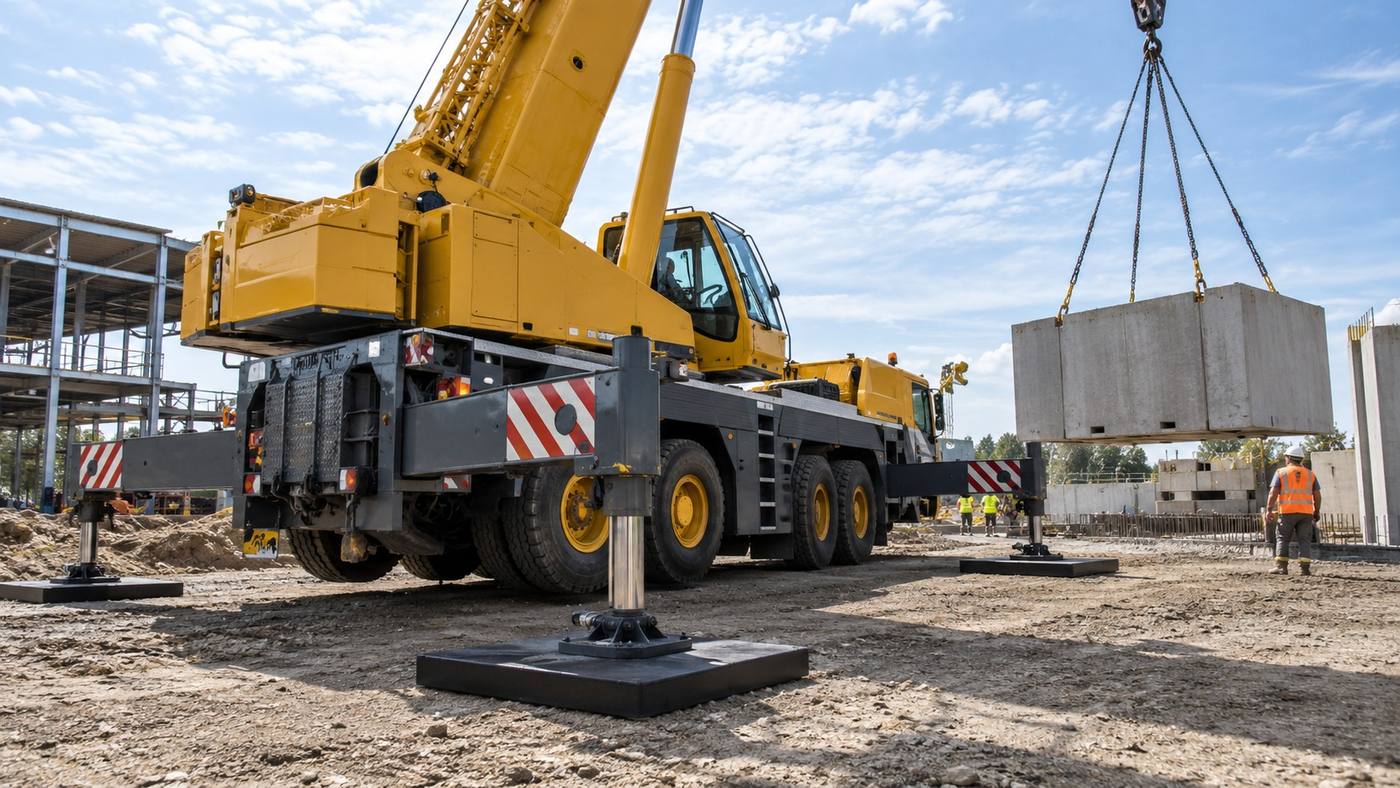
The size of the leg cushion shall be based on the maximum leg load given by the equipment and the recognized foundation allowed pressure, and not only on the average weight of the whole machine. The pads are placed on a continuous, flat ground, with legs in the middle, which do not cover holes or half of which fall on hard roads and half on soft grass. If there is a clear slope on the ground, a local backfill or close to the gutter, the equipment should be repositioned or treated in a way that is designed, and it cannot be forced to level off by stacking several smaller pads.
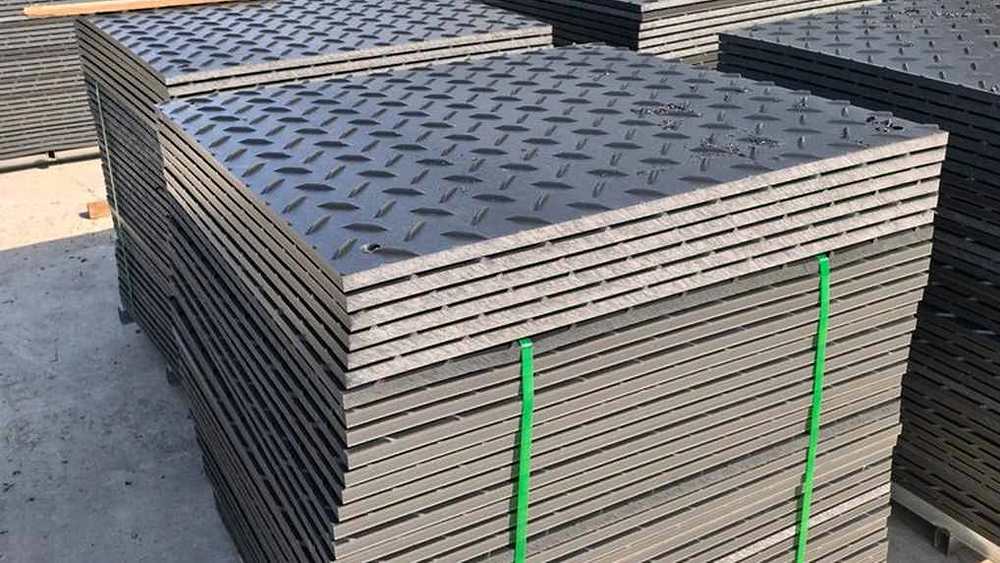
Fossil mats for high-altitude operations and light engineering equipment (contribution material for the plastic network)
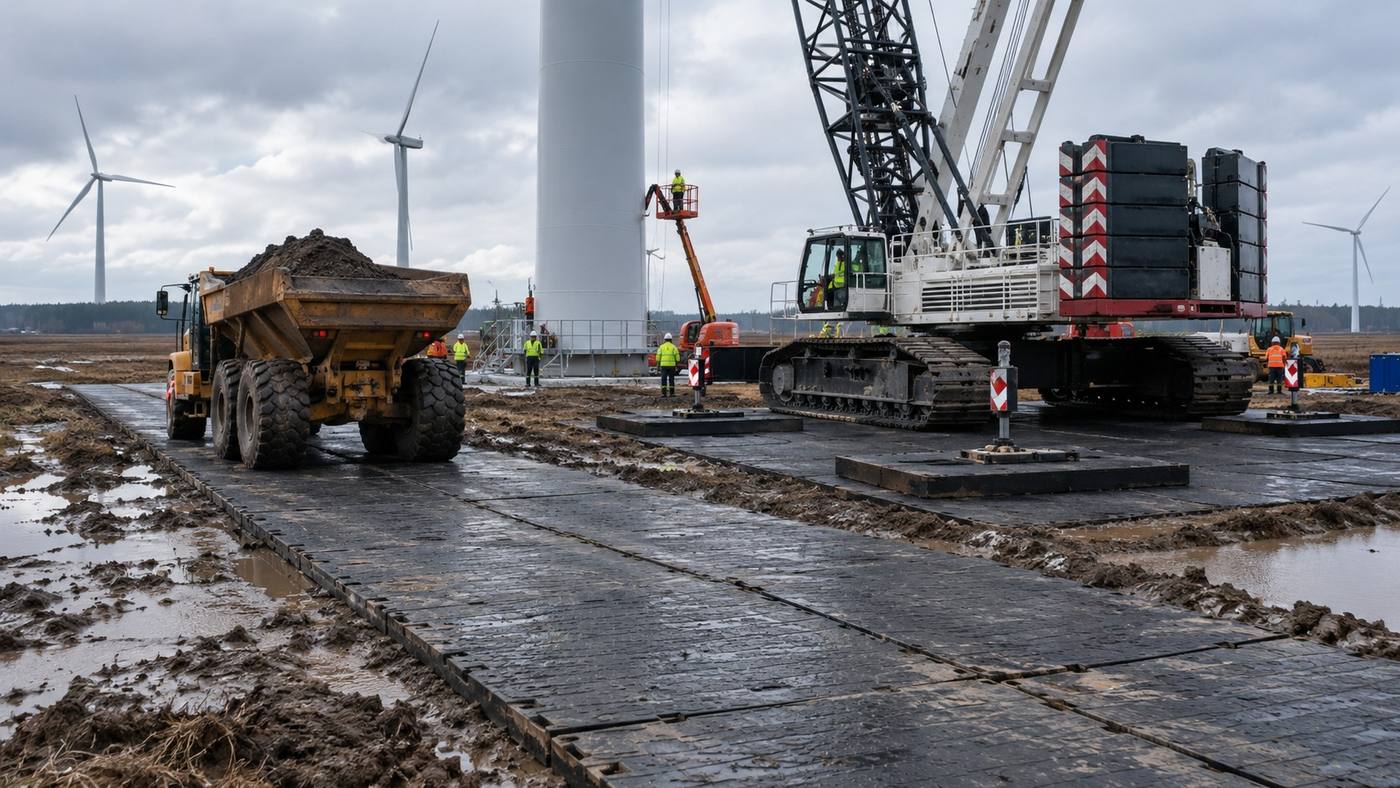
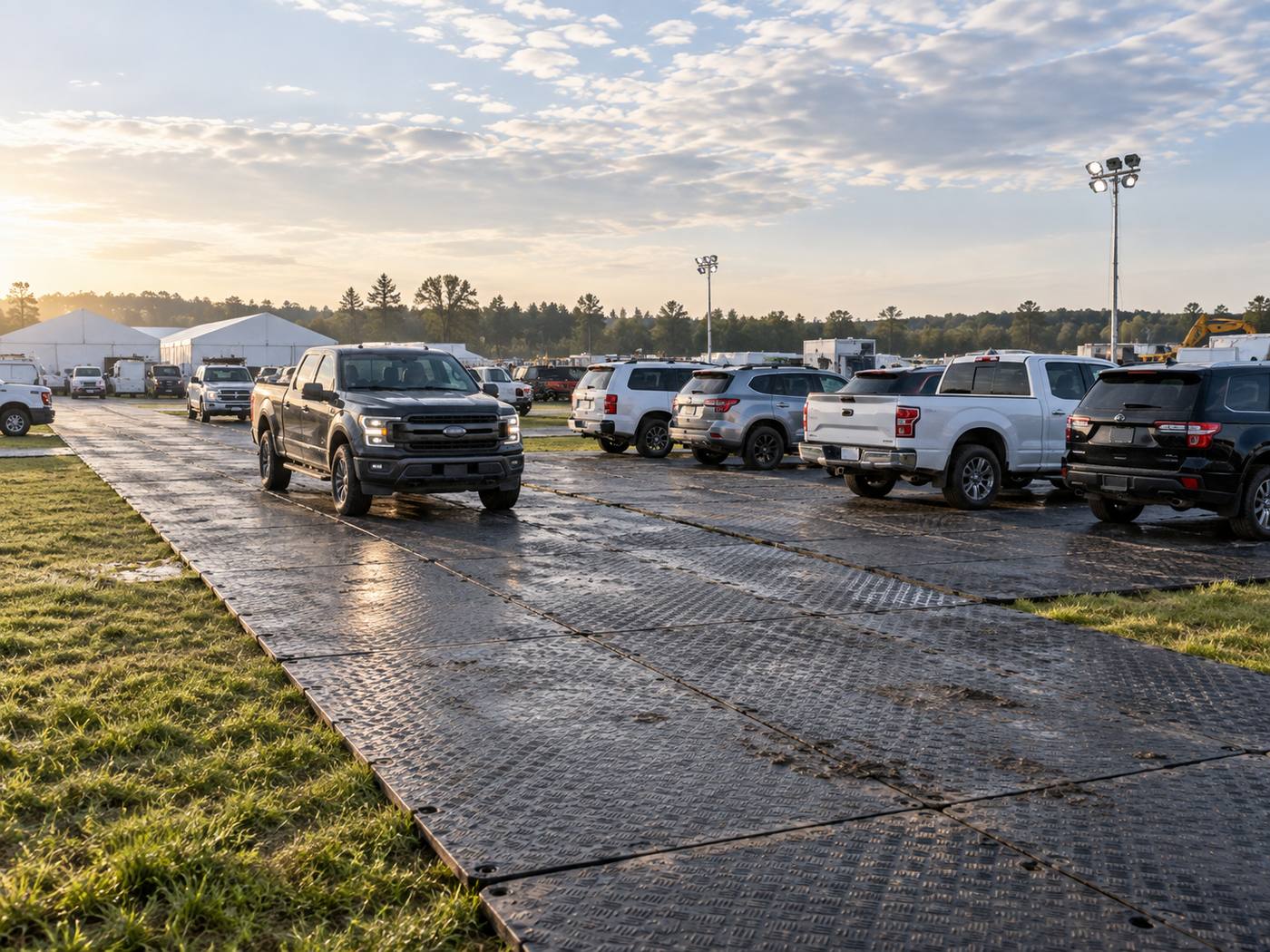
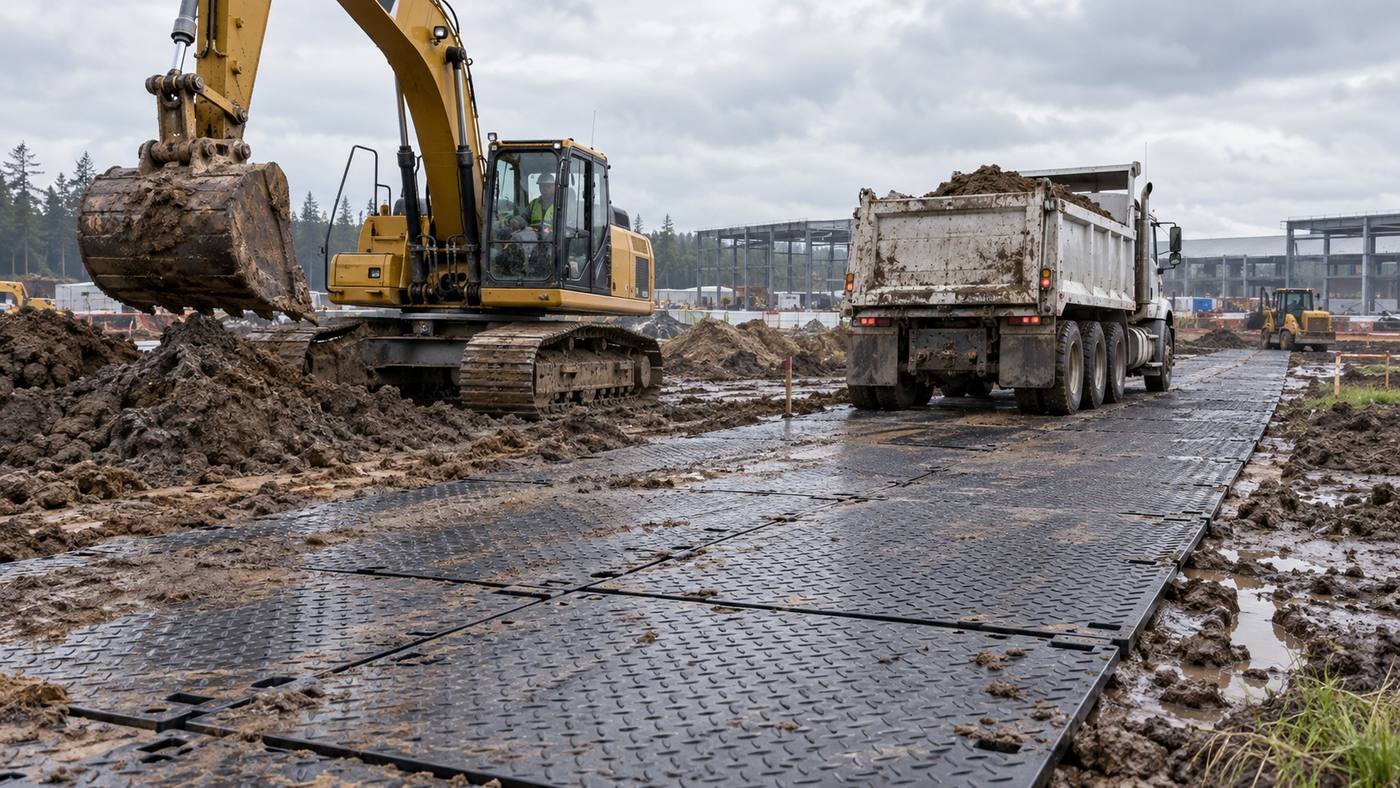
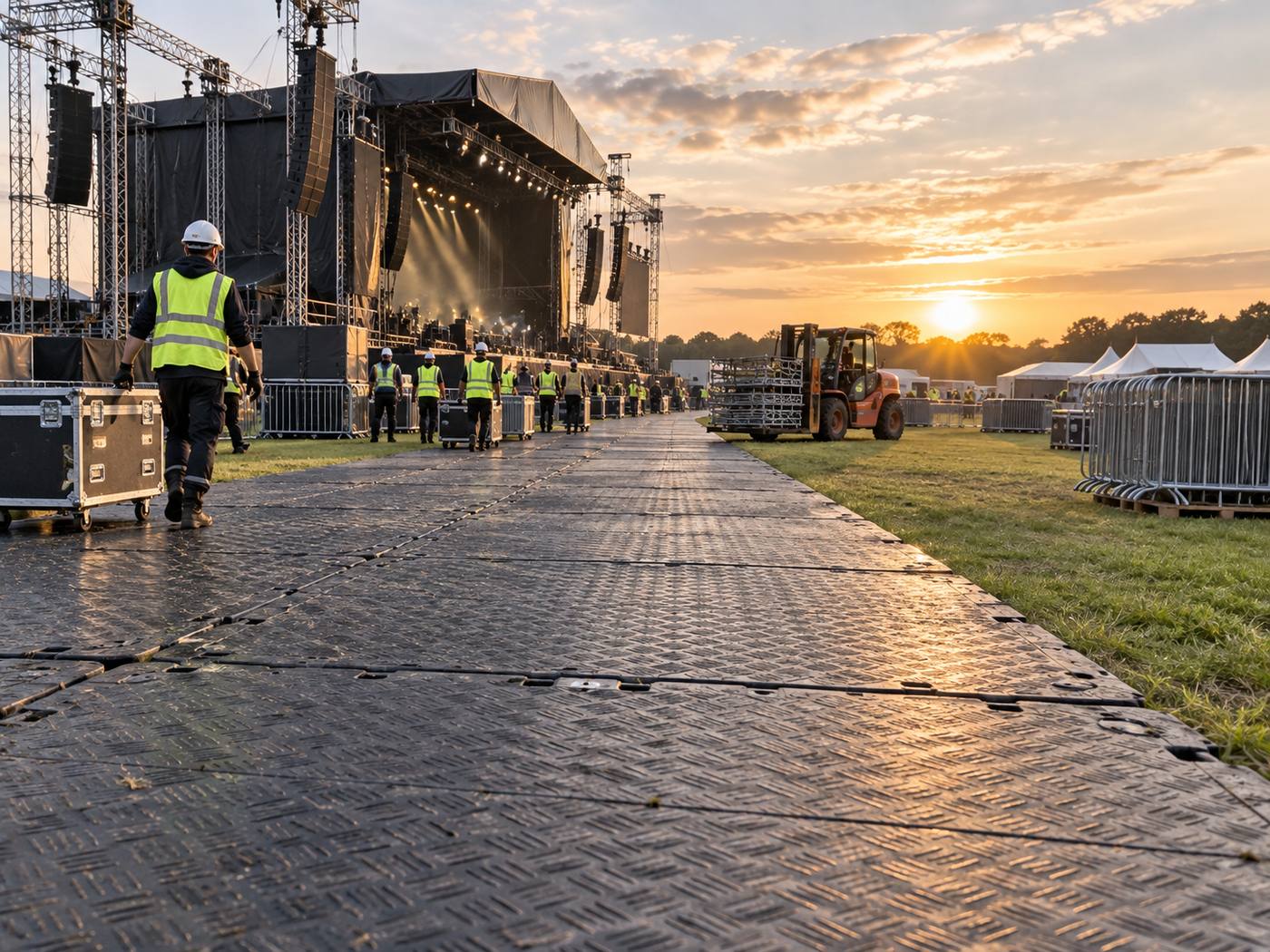
The route of vehicles to the grass also requires protection. The HDPE pavements can be used to form low-speed channels, reduce tire tracks and turn to cut; when the point of operation is reached, a dedicated leg pad is used to take on a concentrated reaction. The two categories of products cannot be confused. Before the platform rises, examine the level of tyres, legs, pads and equipment and isolate the surrounding area to prevent other vehicles from hitting their legs or crushing the adjacent ground.
In the course of the operation, attention is paid to the sinking, tilting and cracking of the grass surface. When the platform moves, changes in the direction of the arm rack or changes in the load of personnel material, the condition of equipment stability changes. Rainfall, irrigation or nearby excavations should be re-inspected, and any sinking or equipment alerts should be immediately removed from the platform and shut-down in accordance with operational procedures. No temporary pads or moving partitions may be placed on the platform as it rises.
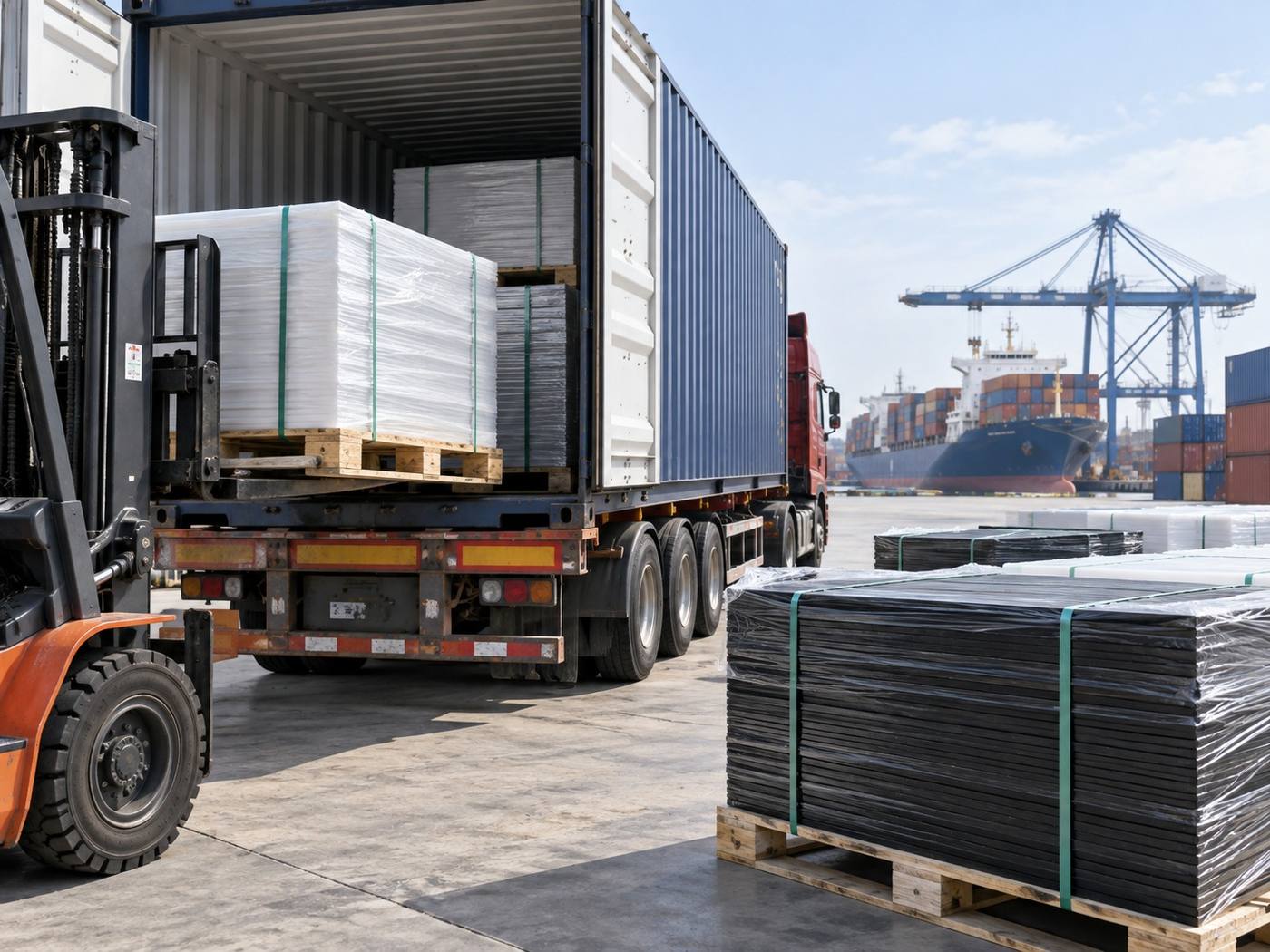
The request for quotations provides the platform type, maximum load of legs, foot size of legs, operating height, ground type, slope and removal requirements. The supplier may recommend a portable polymer foot mat and handle configuration, subject to the conditions of the manufacturer ' s manual and on-site approval. Separately designed to protect grasslands and maintain a stable base for high-altitude operating platforms, the passover sheet and the leg loads are separated.
Need for further evaluation of the actual project?
Applications, sizes, quantities, site photographs or drawings and delivery destinations are sent, on which we can identify more suitable products and processing programmes.