The so-called pump mud is a phenomenon that is squeezed out of the seams and grass-roots weaknesses by water-bearing clay or fine-particle mud following repeated loads of wheels. It indicates that the sub-platform support is changing rather than a simple surface stain. If only the seams were covered or continued to speed up the traffic, the mud would take the fine and form an ever-increasing gap, with the pavement curved, sidelined and shifting. The location of the pump mud and the trajectories of the vehicle should be recorded prior to processing, and it should be judged whether the water is localized, the thickness at the grass-roots level is insufficient or the discharge direction of the entire corridor is wrong.
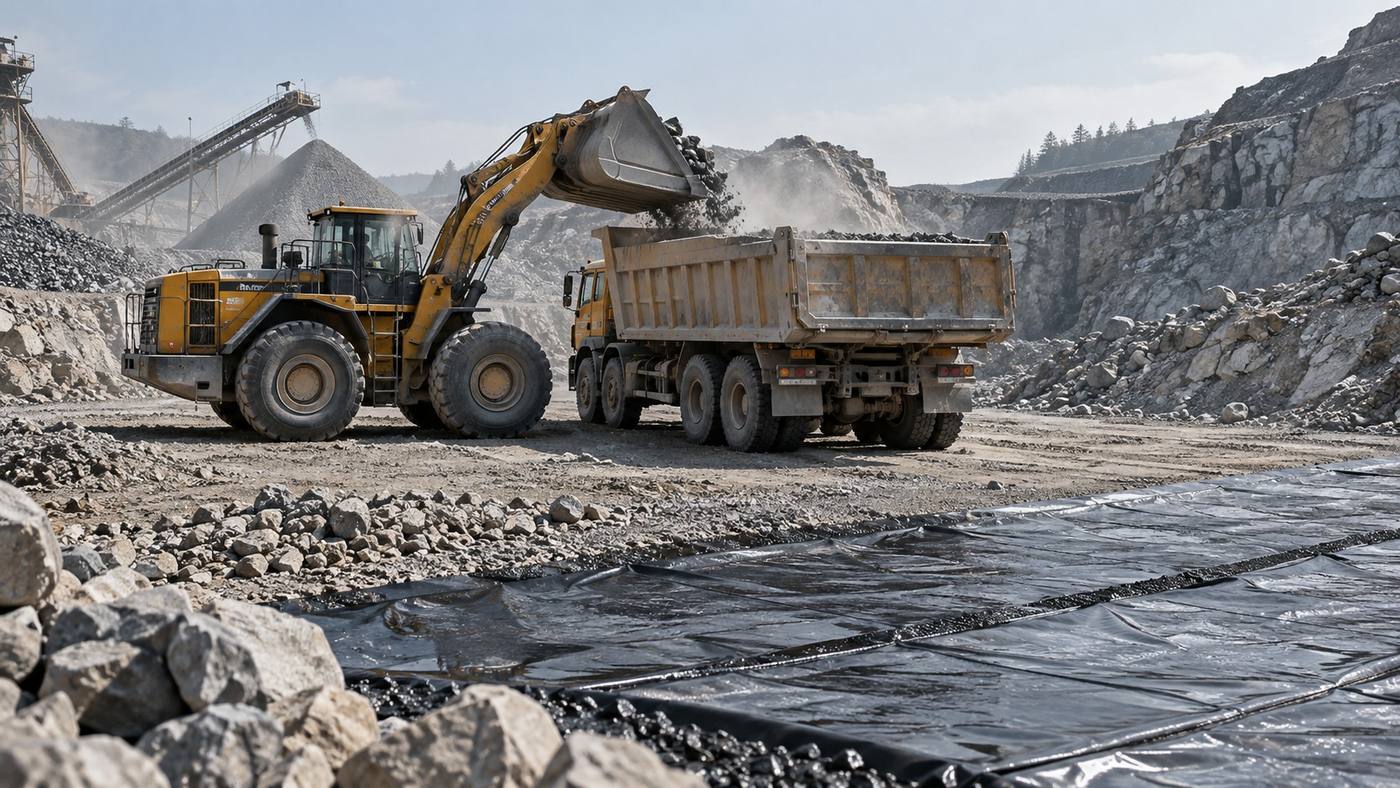
The first step is to reduce the amount of water entering the grass-roots level. Without prejudice to the safety of the construction, aqueducts, catchment points or temporary drainage slopes may be set up, and the mud piled up on the sides may be removed to avoid the rain being trapped below the tunnel. Once the problem sheet has been removed, mobile mud and loose material should be removed to the stabilization layer, before the on-site engineers decide whether to lay an isolated earthpaper, a grid and a graded ingredient. The role of the earthen cloth is to reduce the mixing of fine matter with the upper shredding, and it does not in itself provide sufficient load or substitute for the determination of the depth of the soft layer.
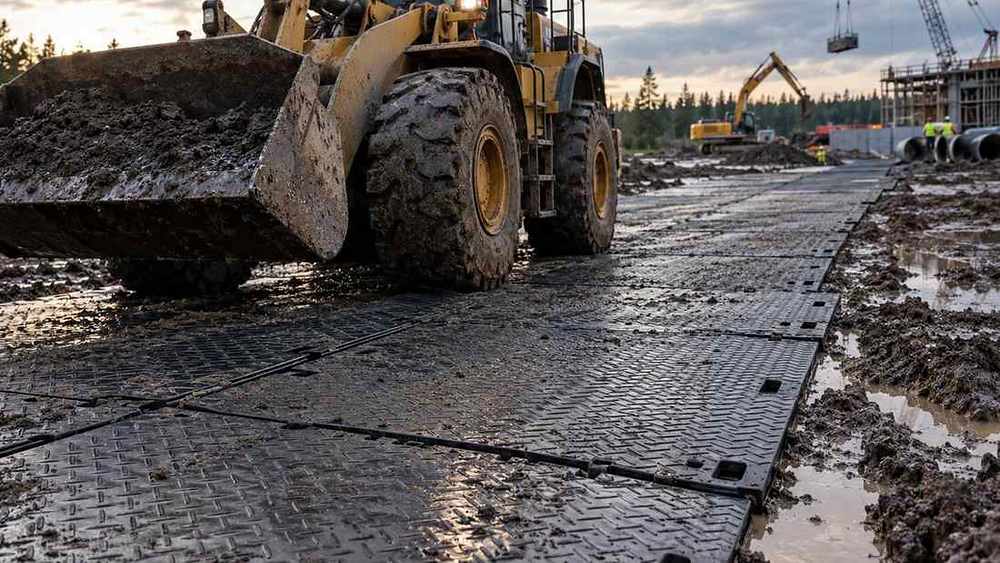
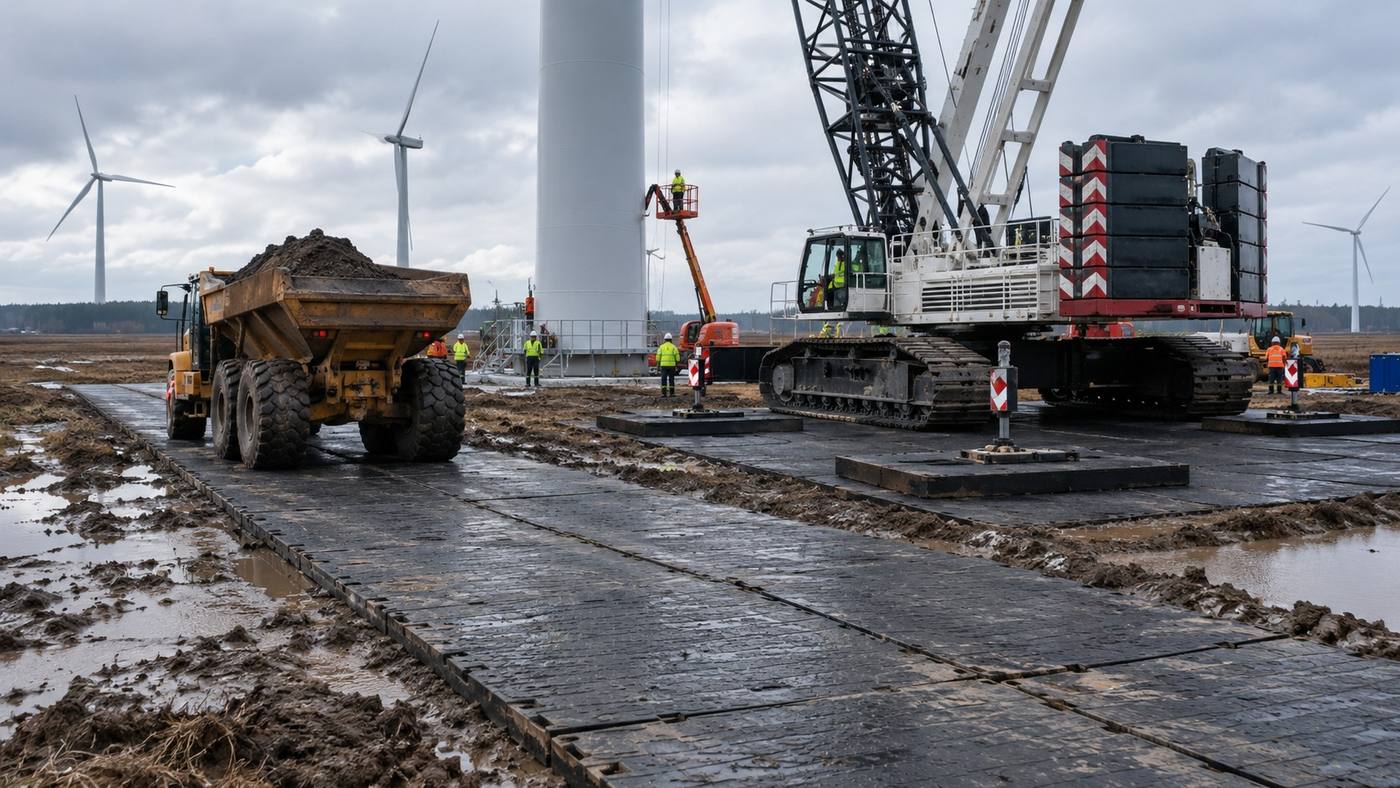
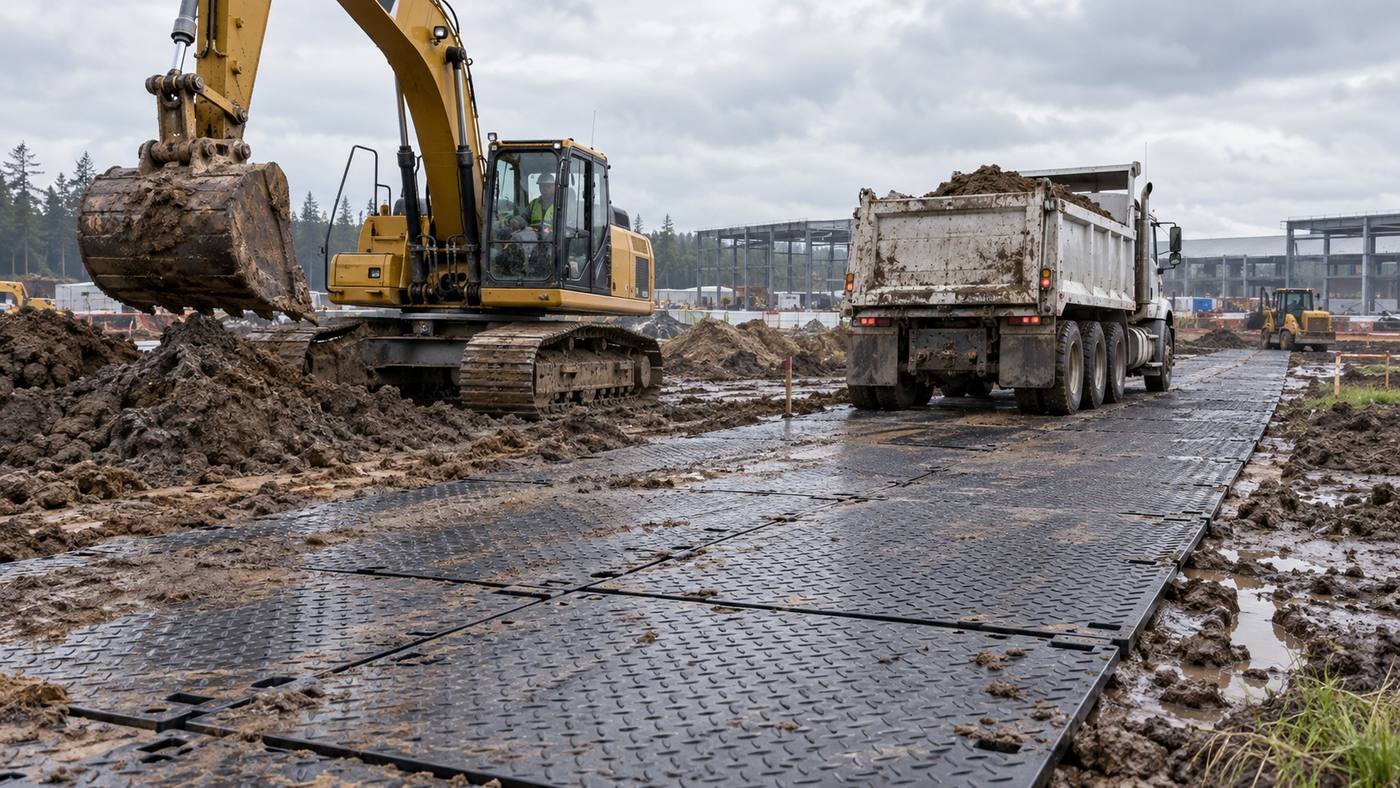
Heavy equipment through paved roads when the soil is wet and sticky (materials for the plastic network)
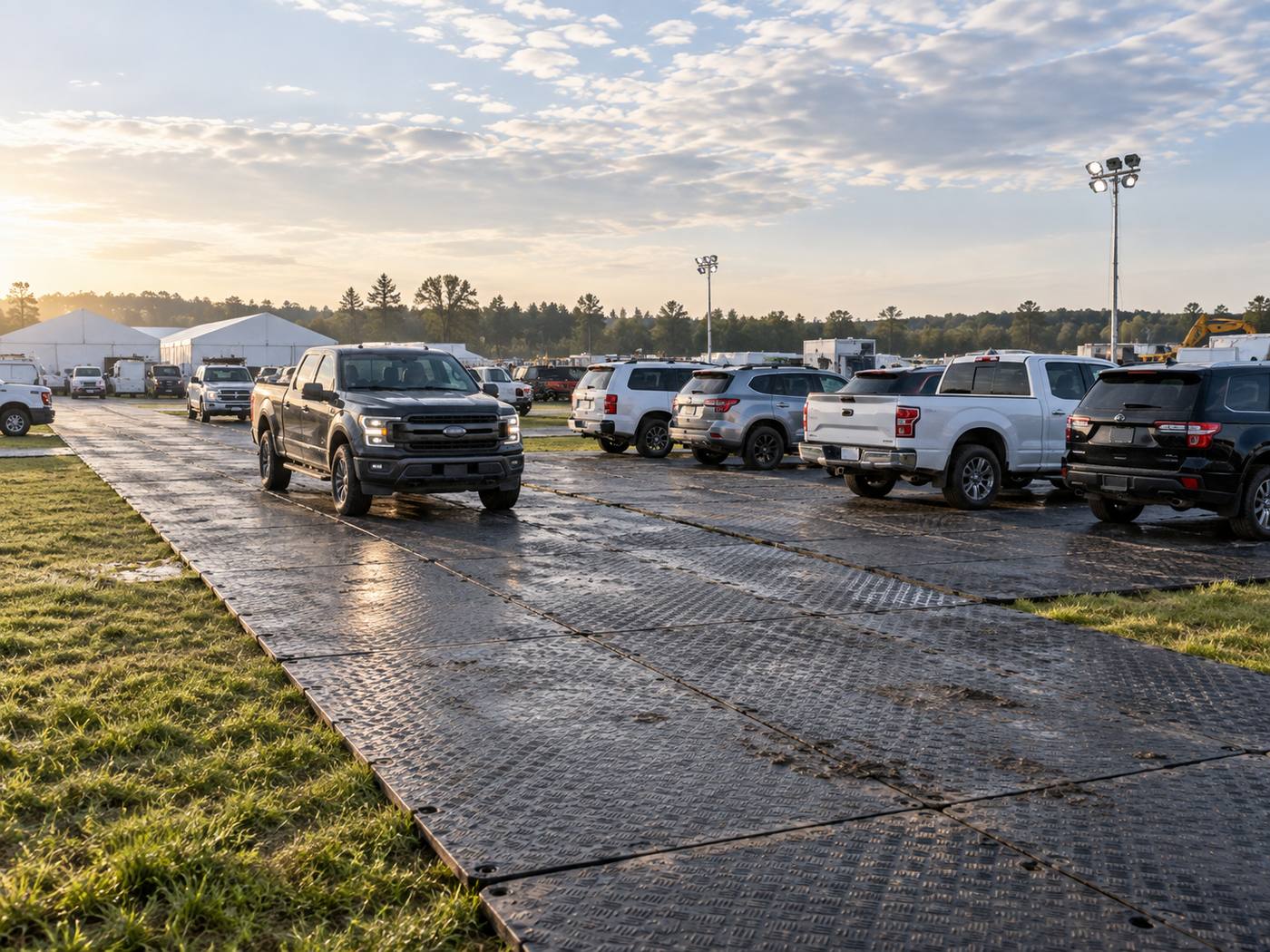
When repainted, the sheeting should be supported in a continuous and even manner. Locally high levels of bricks, wood or pebbles, which appear to eliminate high levels, tend to concentrate the load at a few points, increasing the risk of partial bending and destruction of the sheet. The pavements should be connected along the main direction of the vehicle, sewing to avoid the deepest path; in turn, brakes and loading positions, shearing can be reduced by extending the width, improving the ground level or limiting operational movements. For the repeat pumping of mud, the piloting of empty vehicles should be arranged before the full-load transport is gradually restored.
In the operational phase, the plank changes are linked to the weather and the number of cars. High sutures, loose connectors, plasters under the plate, horizontal swings of vehicles and empty tires are checked on each shift. In the event of a rapid increase in sedimentation after rain, the drainage and ground conditions should be re-checked, rather than simply increasing the thickness of the sheeting. The thicker plates can increase the bending edge, but they can still overwhelm when the grass-roots support is lost; all the problems can be attributed to thin sheets, and it is easy to miss out on the real foundations.
In consultation with suppliers, it was recommended that pictures of clay layer thickness, water-bearing status, groundwater or drainage conditions, planned life cycle, maximum axle-load, tyre width and pump mud be provided. This allows a discussion of the size, thickness, smoothing and number of connections to the HDPE pavement. Where the road is close to a base pit, ditch or underground facility, project technicians are also required to determine the permissible additional load and safety distance. The management of pavements, silos, grass-roots and drainage as a system can reduce the number of patches and keep the corridors flat.
Need for further evaluation of the actual project?
Applications, sizes, quantities, site photographs or drawings and delivery destinations are sent, on which we can identify more suitable products and processing programmes.