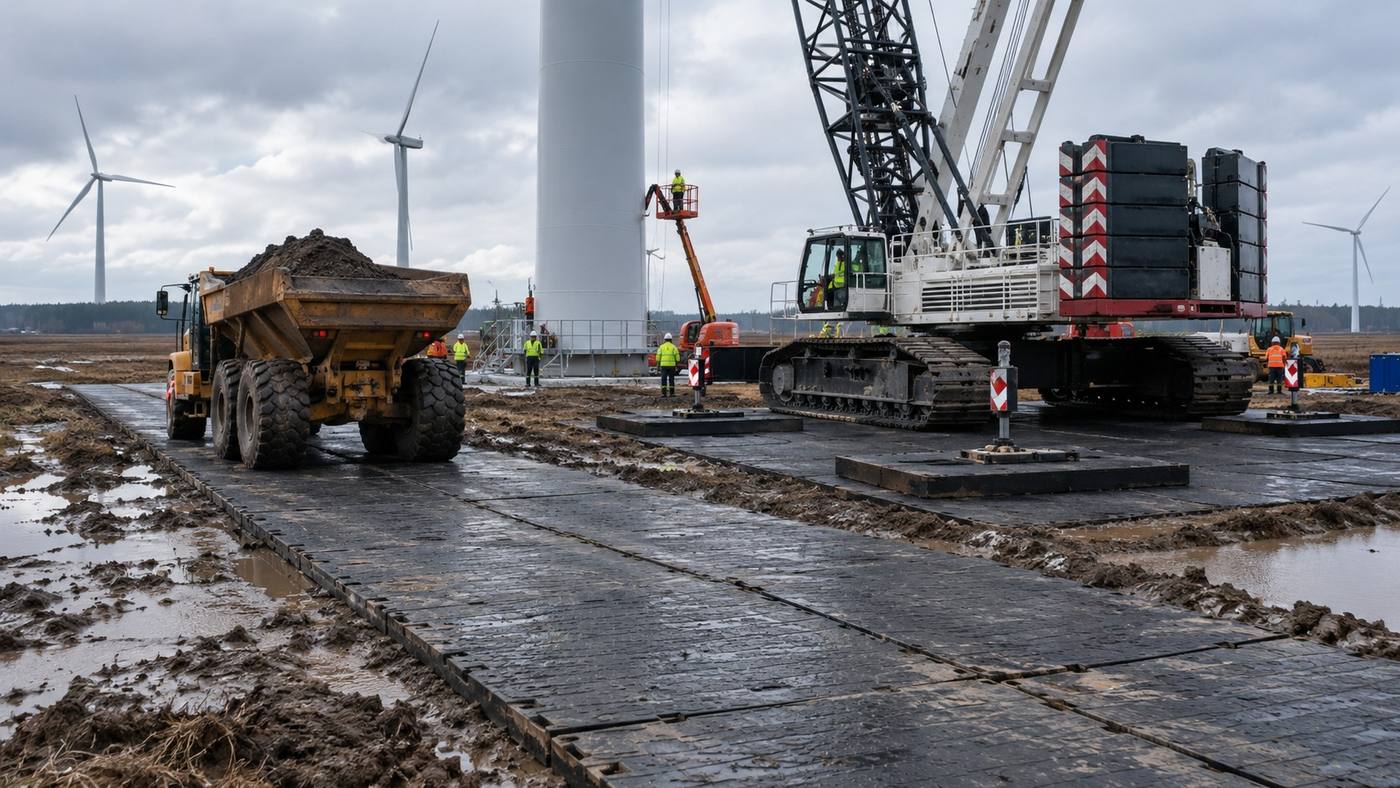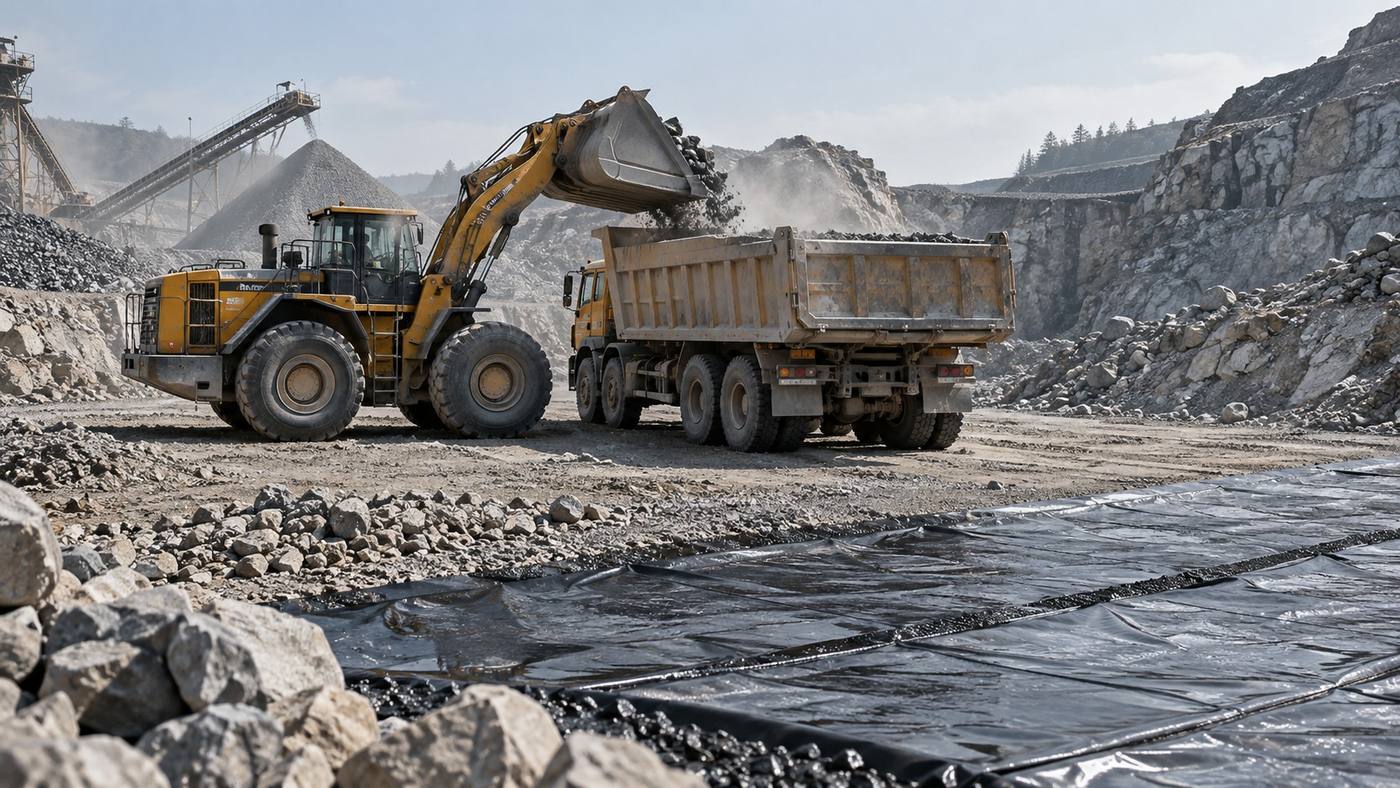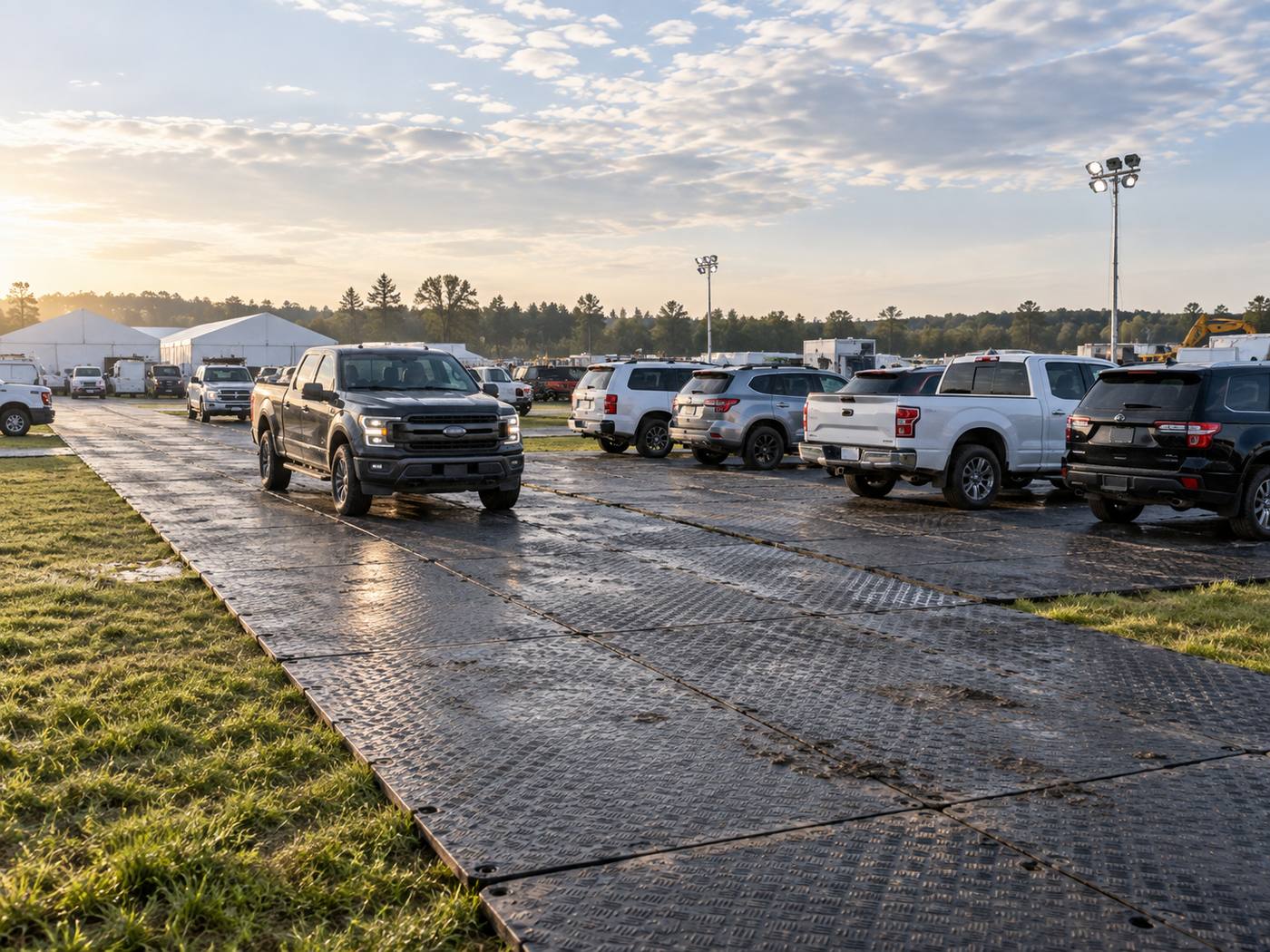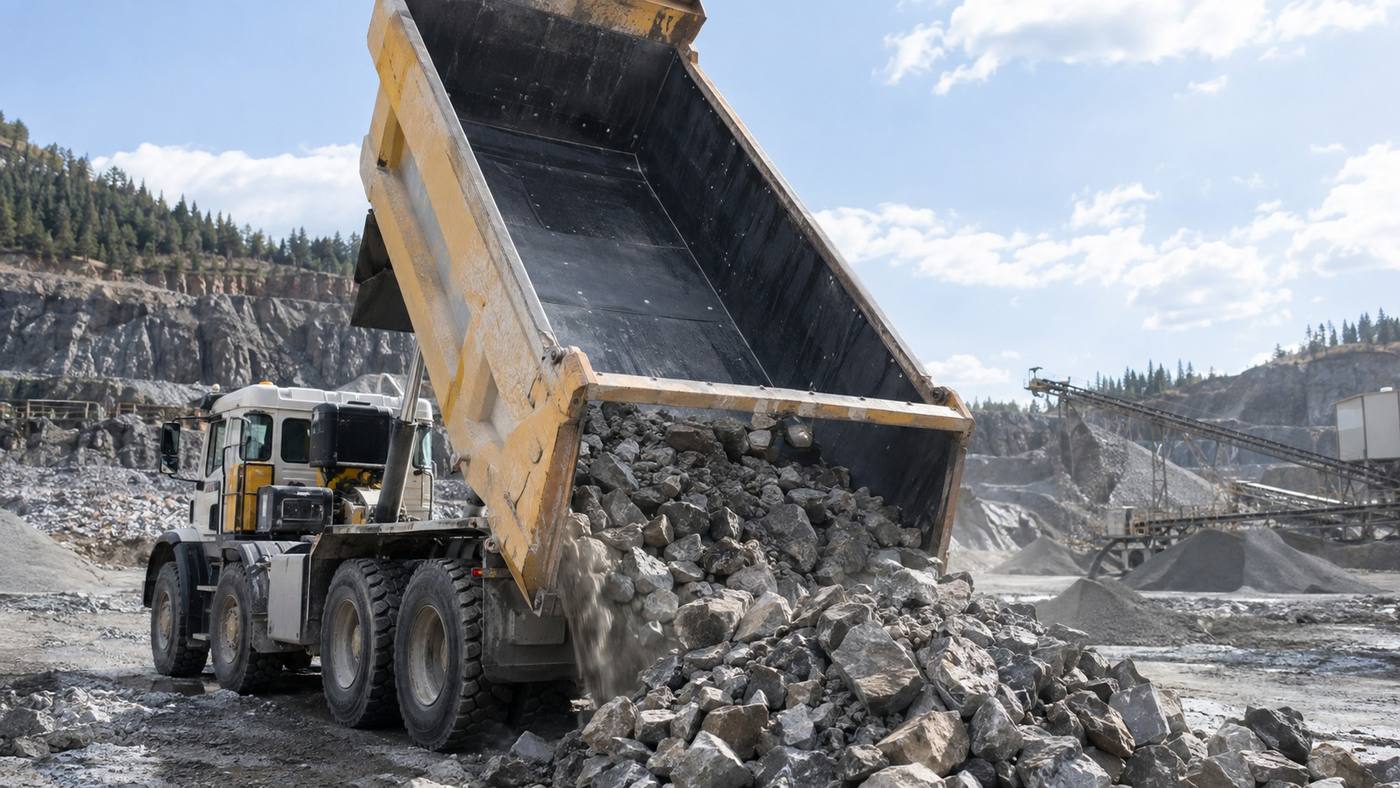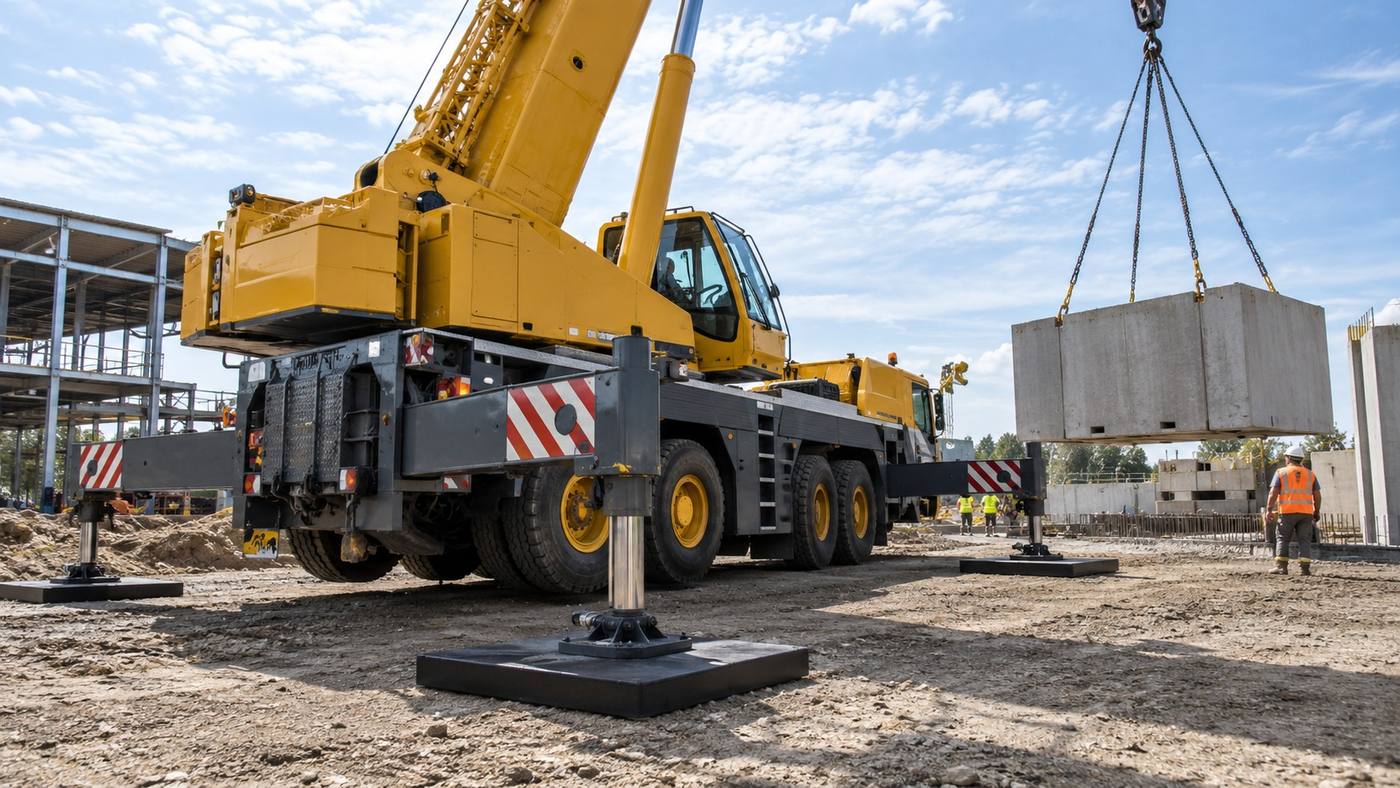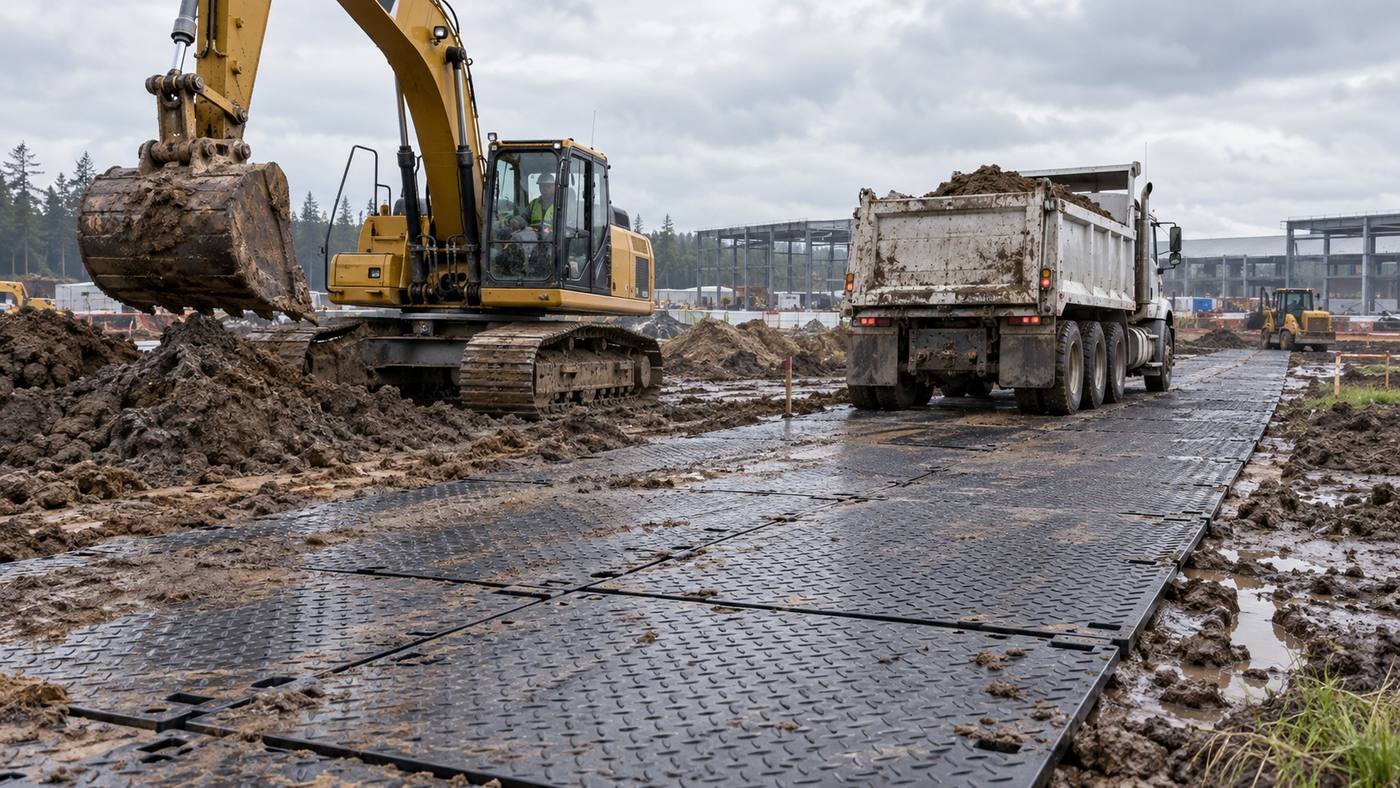
When a multi-carrying common corridor is used, the design vehicle may not be the one with the largest total weight. A slag-filled car may control the repeat axle load, a pump or crane may control the width and turn radius of the vehicle, tracked equipment may control the wear on the plate and a low-floor vehicle may control the passage of the foot of the slope. It would be reasonable to establish a vehicle list, listing the control factors of each type of equipment over the road and combining them into a number of real conditions, rather than selecting a single “maximum tonnage” to cover the entire situation.
The vehicle chart shall contain, at a minimum, the total weight, axle loads, axle length, wheel distance, tyre or belt dimension, exterior width, minimum turn radius and gap from the ground. It should also indicate the full-load and empty-load direction, the daily number, the need to reverse the vehicle and the location in which to make or stop. For example, cranes may pass only occasionally, but they are wide; slag cars have a slightly lower tonnage but circulate all day. Road segments, bends, waiting areas and access points can be controlled by different vehicles, and width and grass-roots intensity should also be determined in the sectors.
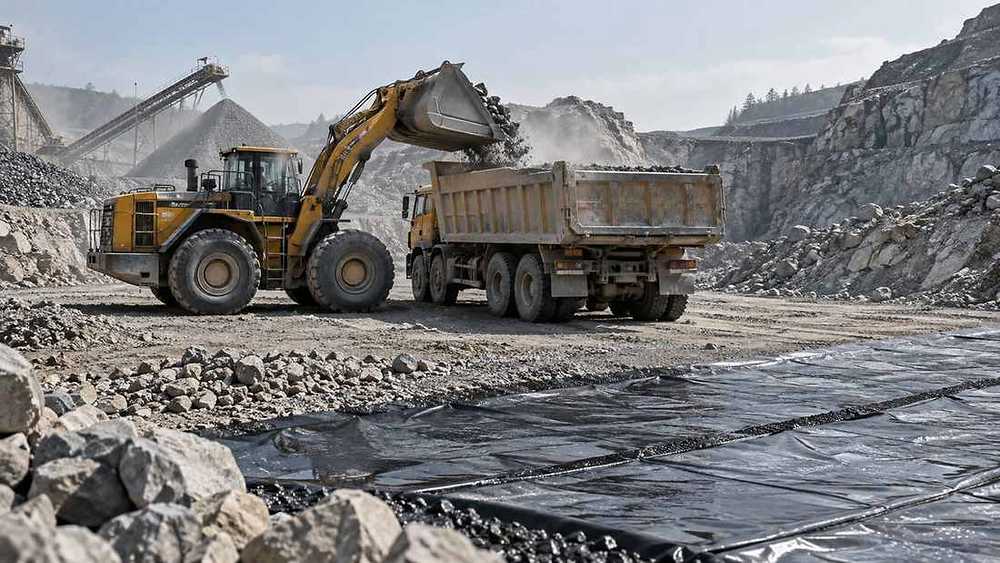
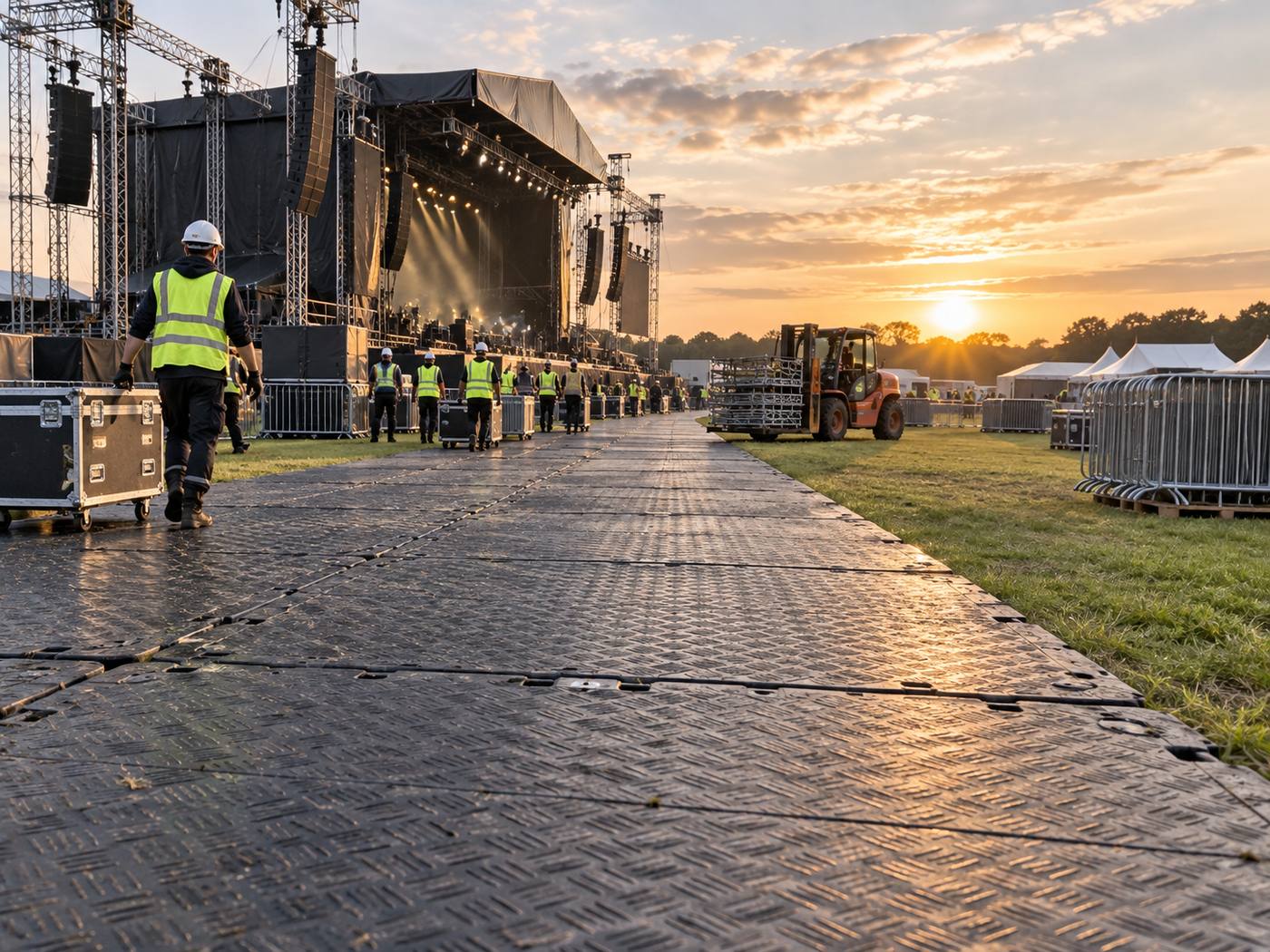
Multi-engineered vehicles shared pavements for temporary construction access (inventory material for the plastic network)
It would be helpful to draw a simple plan of roads. Mark the vehicle ' s wheel, inside the curve, meeting point, secondary road and loading position on the map, so that it can be detected in advance that the tyre will press the side of the plate. If a certain type of tracked equipment requires only a low-frequency field, it may be arranged for a specific period of time and ancillary measures, without the need for the entire road to be configured under the most severe wear and tear conditions. On the contrary, high-frequency full-load transportation cannot be reduced by the success of a single test, and repeat loads and the softening of the rainy season often occur only days later.
The test operation should cover every control vehicle and key action. The net emptying and turning of the widest vehicle is verified, the maximum axle-load vehicle is observed through the weak section, and the effect on the plate of the tracked or special tyre is finally checked. (c) Record panel shifts, seam differentials, ground-level depositions and driving feedback during testing and adjust speed limits, direction or partial width accordingly. When new models are entered without assessment, the route should be re-checked instead of defaulting that the original permit can be followed.
Full vehicle lists, road maps, ground conditions and transportation plans are submitted to road-painted vendors, and it is easier to obtain reliable advice than to report only one gross tonnage. The supplier may give the thickness of the sheet, the texture, the connectors and the quantity, and the project engineering and safety personnel are responsible for confirming the basis of the road and the operating rules. Designing vehicles with multiple control conditions avoids overconfiguration and prevents a particular vehicle from becoming a neglected weakness.
Need for further evaluation of the actual project?
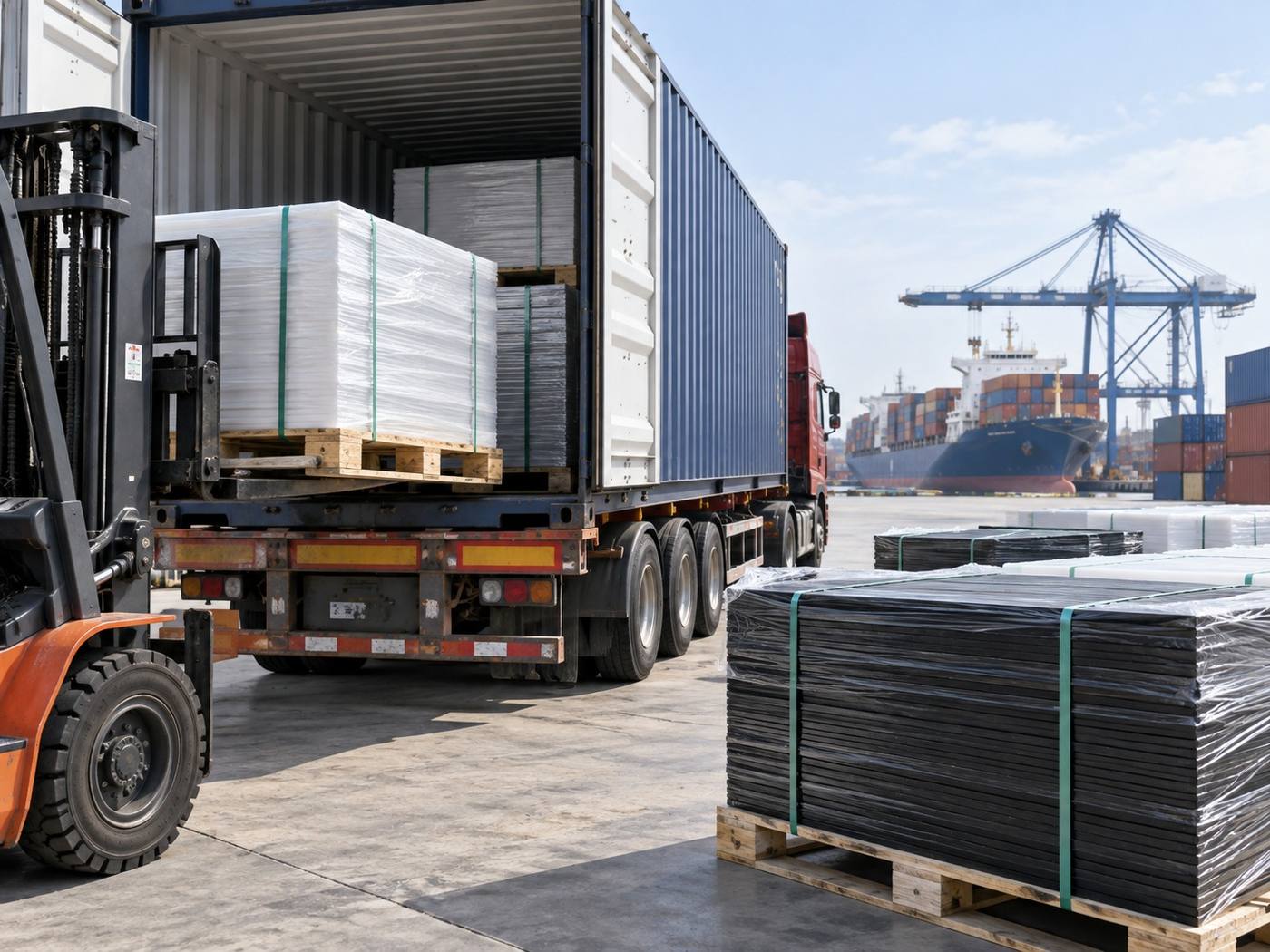
Applications, sizes, quantities, site photographs or drawings and delivery destinations are sent, on which we can identify more suitable products and processing programmes.