The moist clay is adhesive to the slag car, usually from the point of view of the water content rate, viscosity, rough surfaces of the car, dimples and discharges. Residues reduce payloads, vehicles carry excess weight on their return journeys, and personnel are required to hit or eliminate them, increasing the length of stay and safety risks. The UHMWPE vehicle liner improves material slides with low friction, grinding and shock-resistant characteristics, but it does not achieve a zero-alternative treatment of all clay and all temperatures.
The selection shall be preceded by the collection of material types, changes in water-bearing rates, maximum size, temperature of fillings, minimum winter temperature, car size and position of existing attachments. If the residues are concentrated at the front corner, fortified or used welding, the geometry and local deformation of the cars may be more critical than the material itself. The lining shall cover the main slides and form a smooth transition, and the seams, bolts and front-end treatment shall avoid the creation of new uplink steps.
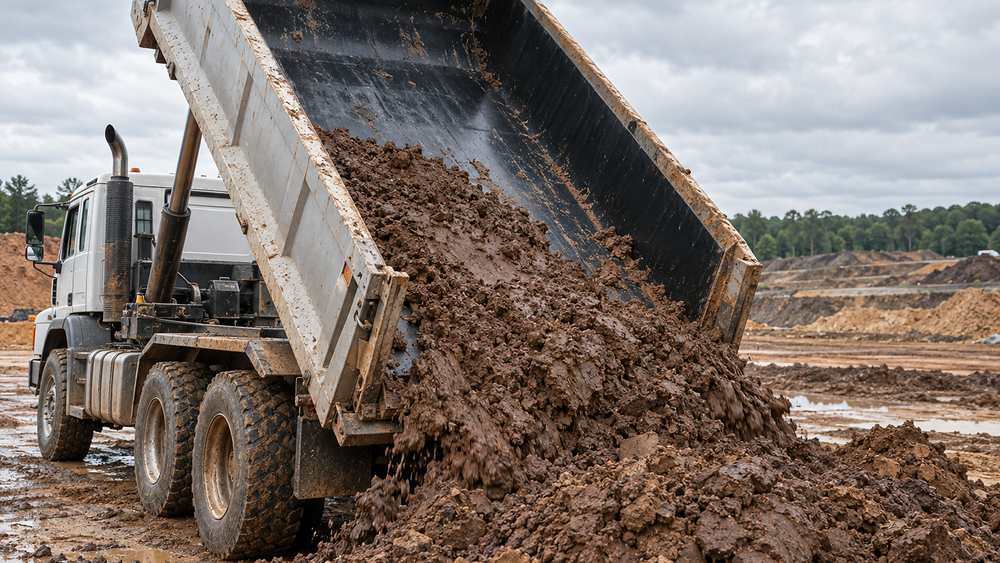
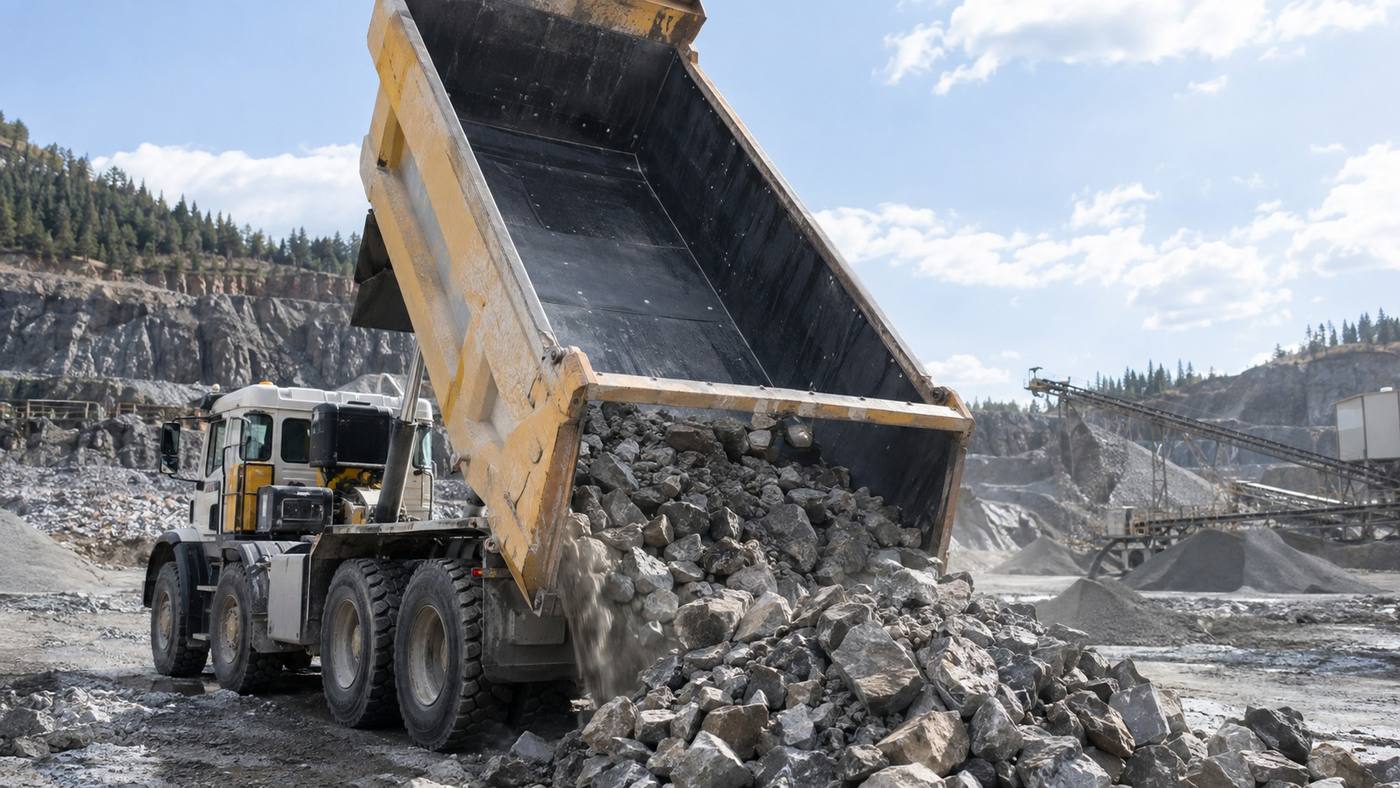
When the self-lifter lifts, wet clay slips out along the black sideboard (new construction site map)
The installation will require design space for thermal expansion and cold contraction of polymers, which will be carried out by the supplier's drawings in a secure, apertureal and plate direction. All positions are locked to death, which may cause drum packs after temperature changes; insularity leads to plate movement or material drilling. The steel plate below the liner shall repair the sharp welding scars and severe dents and contact the surface clean and flat. Any structural changes and welding should be assessed by qualified personnel and must not damage the strength of the vehicle.
It is used to control the distribution of fillings and the discharge environment. The vehicle is parked in a solid, flat and permitted lift, unloaded in accordance with the manufacturer ' s procedures, and does not need a high-speed advance, brake or personnel to enter the lift compartment to clear the material. The effect of the lining is compared by observing the lifting angle, the start time of the slide and the residual ratio. If the clay contains water or the temperature changes are significant, the conclusion should be rerecorded rather than based on a single dry material test.
The request for quotations provides a wide and deep vehicle, a floor and side plate structure, material photographs and parameters, a single load, frequency of circulation, temperature and expected improvement indicators. The supplier may recommend the UHMWPE number, thickness, plate layout and installation. Optimizing the characteristics of the material, geometry of the vehicle and the details of its installation, it is generally better to reduce wet clay attachments than to select only the thickest lining.
Need for further evaluation of the actual project?
Applications, sizes, quantities, site photographs or drawings and delivery destinations are sent, on which we can identify more suitable products and processing programmes.