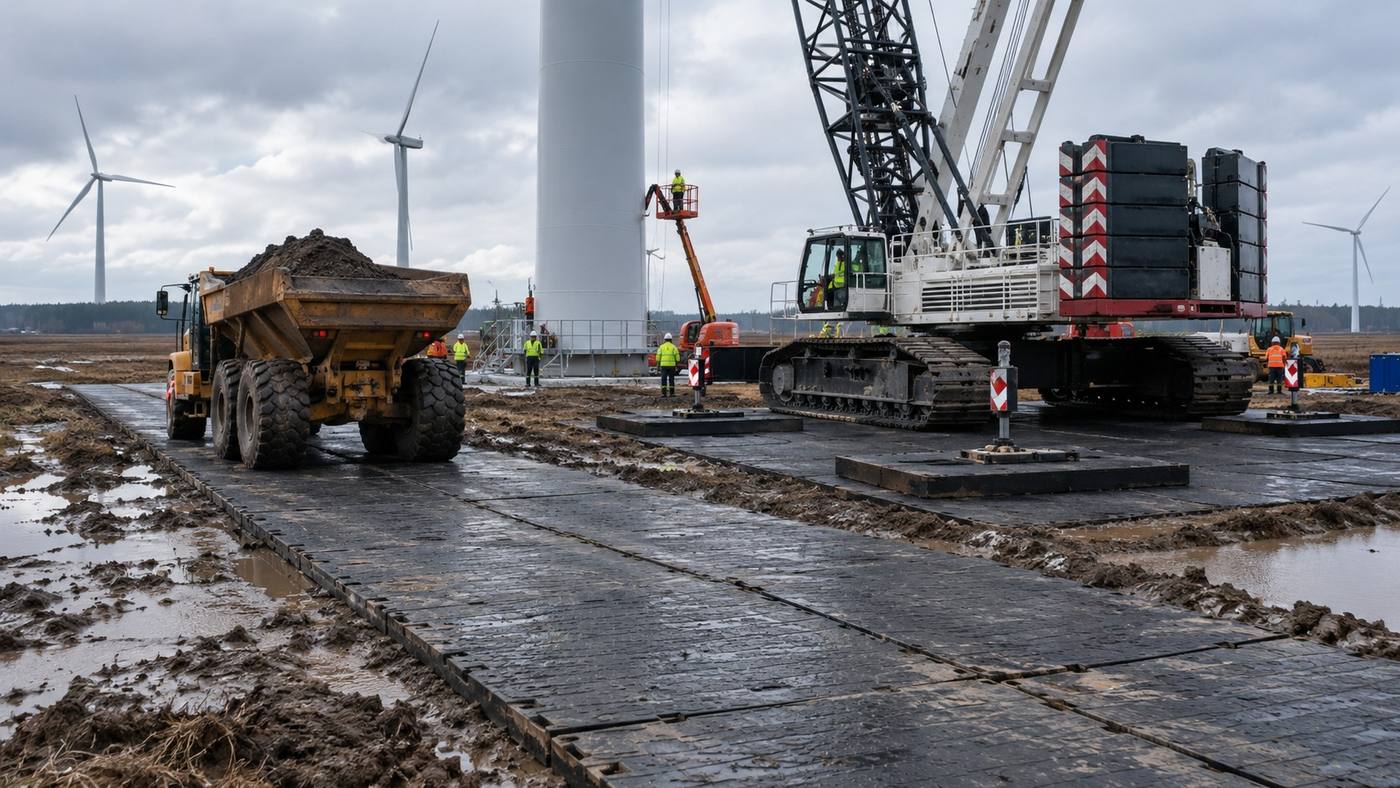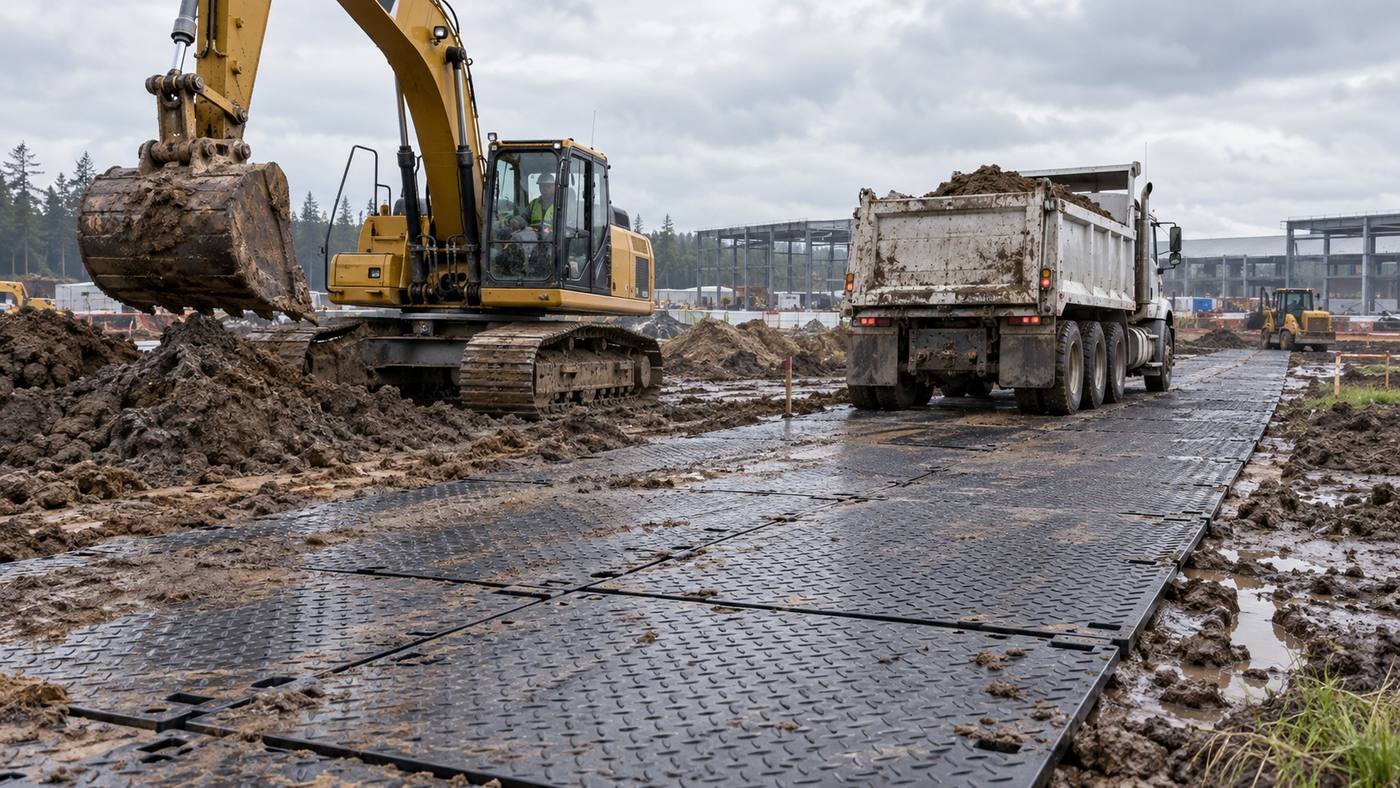
The period of the freeze, which appears to be a hard construction route, may quickly lose capacity after heating. The melting of the ice increases the water-bearing rate, as does the previously frozen cracks and holes, and the vehicle loads lead to pumping mud and uneven deposition. As a result, the winter programme cannot be extended directly to the thawing phase. The project should use successively higher than ice points, rainfall or snow melt as a trigger for a reassessment, first limiting the most heavy vehicles and centralized traffic and then checking the physical condition of the road.
Assessment begins with water. See if melted snow can leave the passageway, whether the edges are blocked by ice or frozen soil, and whether there is water coming from the seams in the lowlands. When scrutinizing representative panels, attention should be paid to the high points left by the gap below the plate, the movement of grass-roots particles and the freezing of rises. The high point causes the plate to be partially supported, while the low point causes the plate to overtake. It is to be processed in such a way as to restore a continuous levelling of the ground floor and to remove the sharp freezing blocks that may have stabbing from the surface, and cannot be filled with loose mud alone.
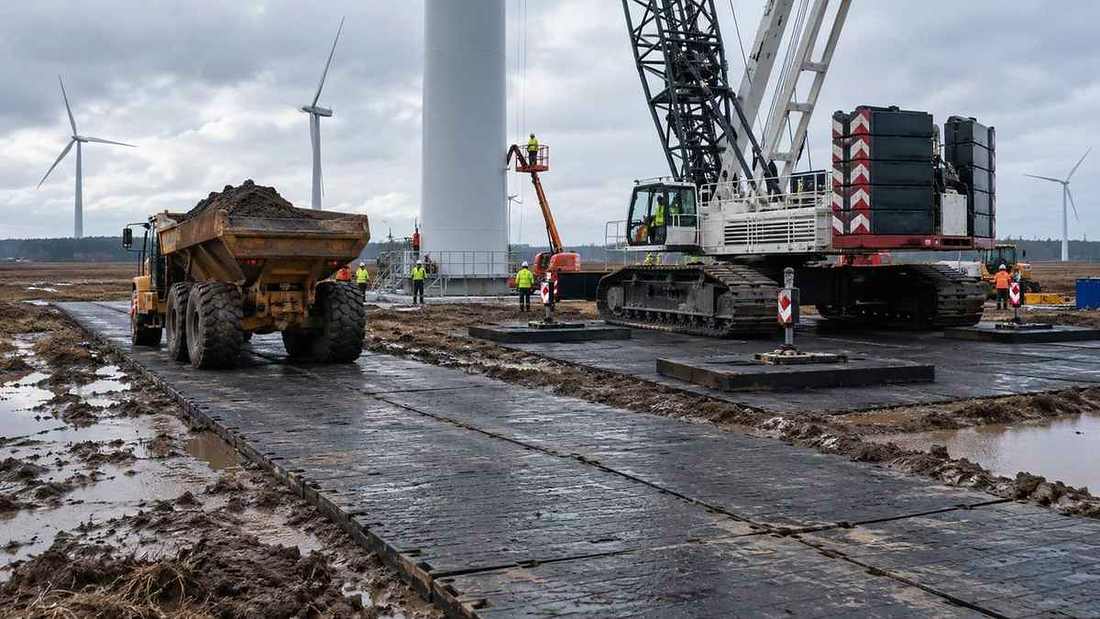
Road pavement for heavy vehicular traffic in low-temperature and damp conditions (contribution of materials for plastic network officers)
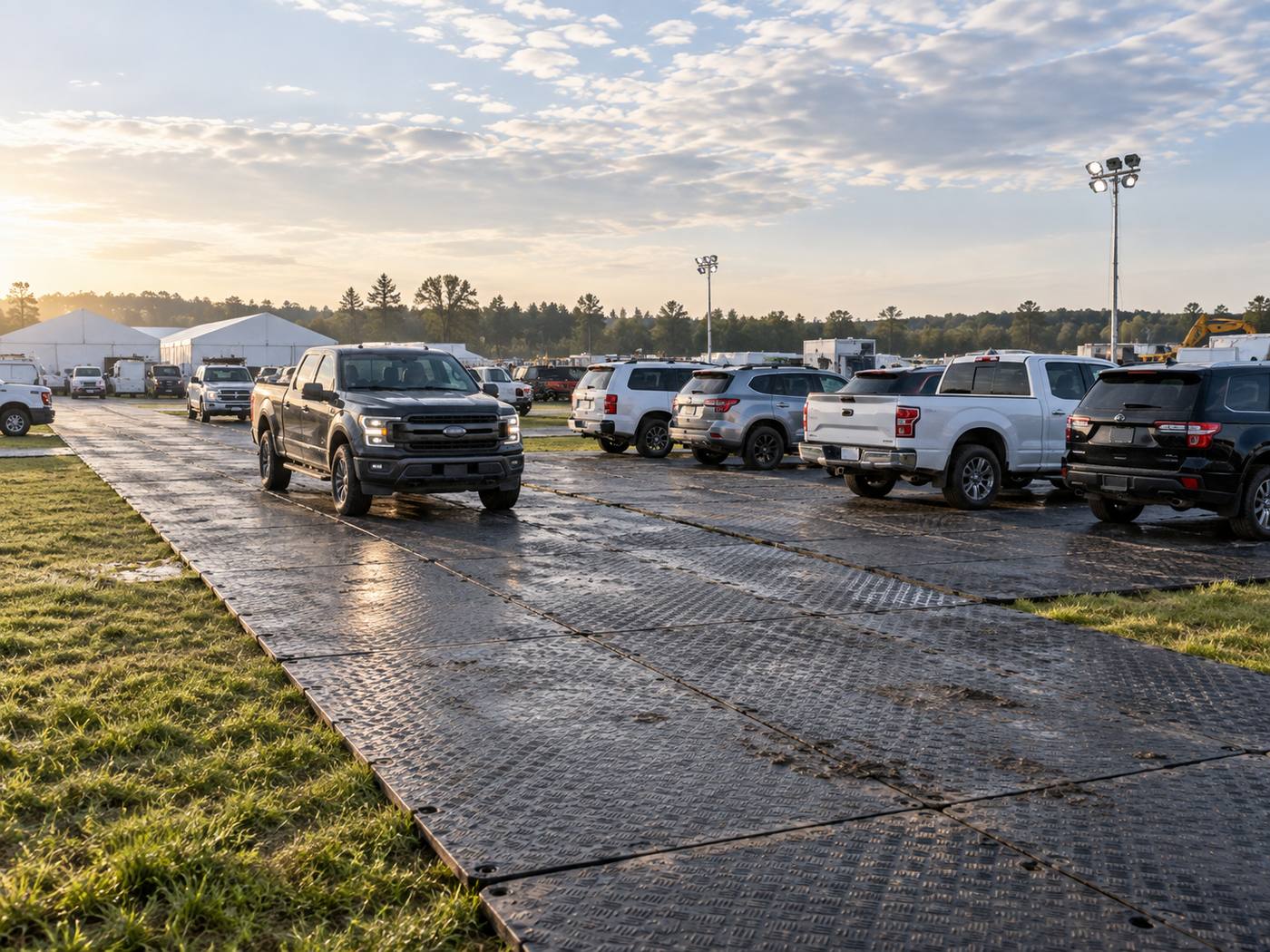
Low temperatures also affect surface friction, connection operations and material response. Ice membranes, snow pressure and wet clay fill the slide-proof road and must be cleared before the grip is judged. Connections may be fixed by mud ice during the freeze period and become loose when unfrozen; a perforated examination of the hole and the state of strangulation is more reliable than looking at the straightness of the road. The performance of any material at low temperatures depends on the plate number and test conditions, and the project should confirm the applicable temperature to the supplier, rather than treat all HDPE or UHMWPE products as identical.
The resumption of heavy-cargo access will be carried out in stages. First, the vehicle is to travel at low speed, then gradually increases to the most common vehicle and the most unfavourable condition, with special observation of ramps, bends and brake areas. In the event that the same plate continues to sink after the vehicle has passed or the rebuke is abnormal, the test should be stopped immediately and the ground level addressed. Early thawing can reduce the frequency of inspections until sedimentation data and drainage are stable; a normal run does not mean that it remains safe at subsequent night and day temperatures.
The information provided by the project to suppliers and on-site engineers should include minimum and maximum temperature, freezing duration, snow and melting direction, axle load of vehicles, years of use of plates and unusual photographs. If necessary, adjust thickness, spread width, connect programmes or grass-roots structures. At the heart of the reassessment is the recognition that the ground-based state has changed and that the rules of passage are updated with on-site data, rather than relying on the experience developed during the winter freeze.
Need for further evaluation of the actual project?
Applications, sizes, quantities, site photographs or drawings and delivery destinations are sent, on which we can identify more suitable products and processing programmes.