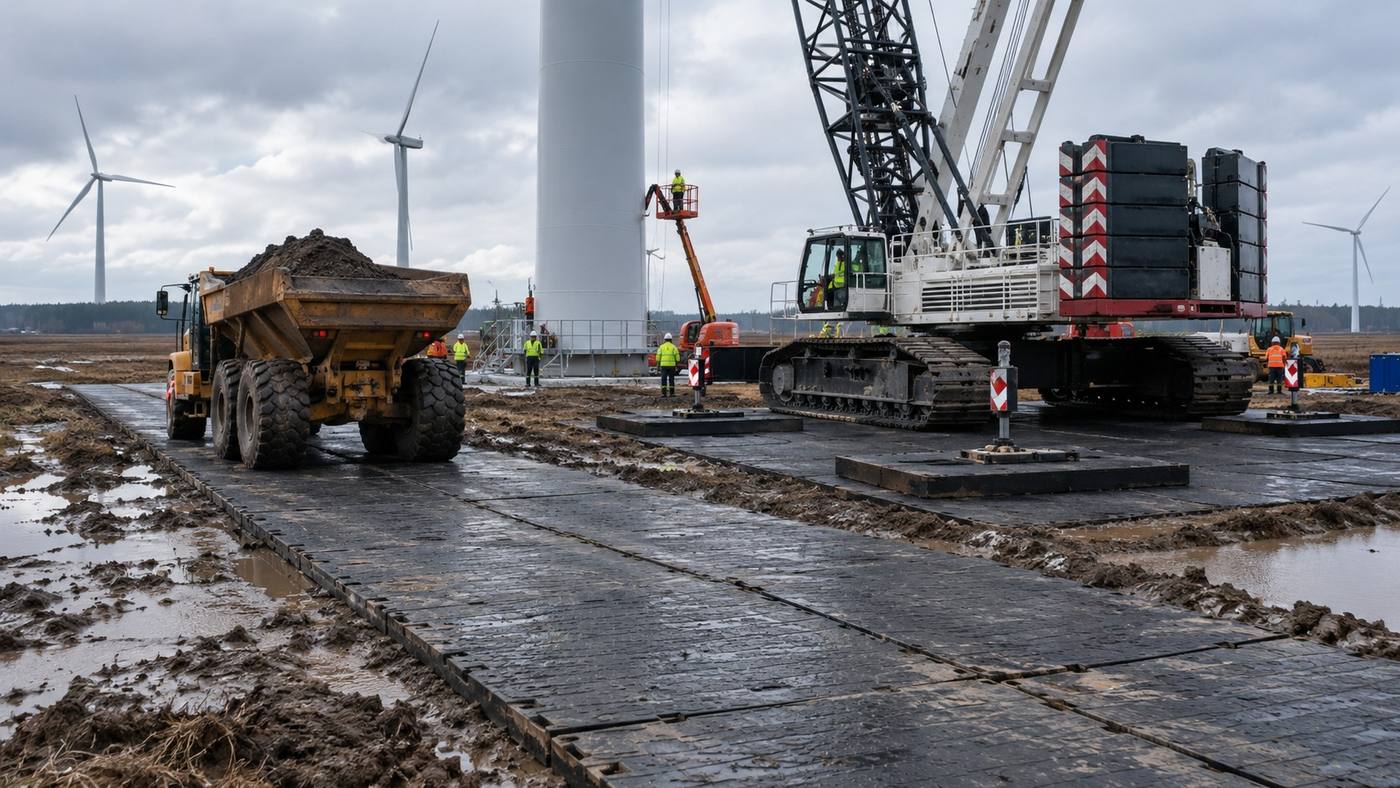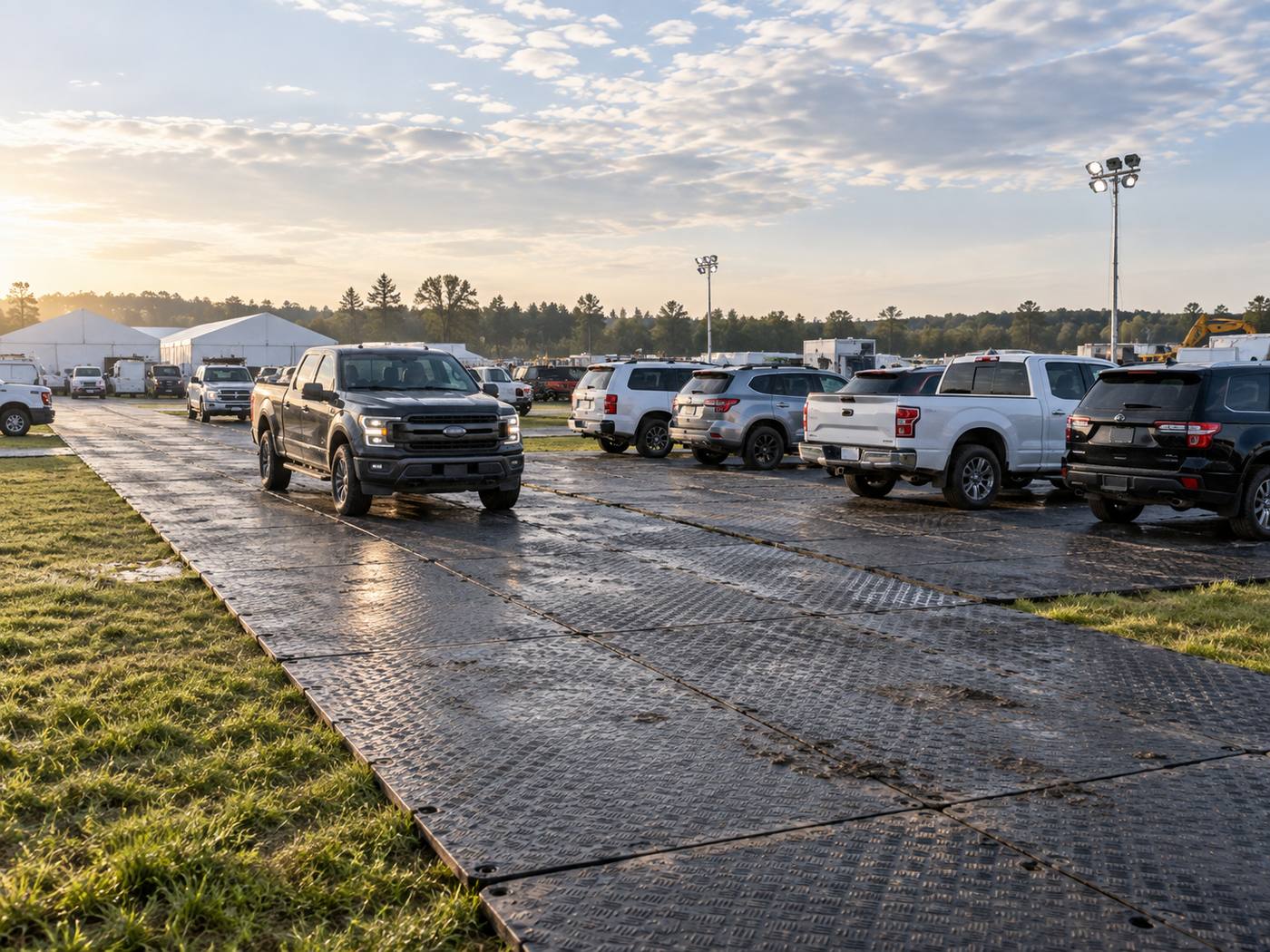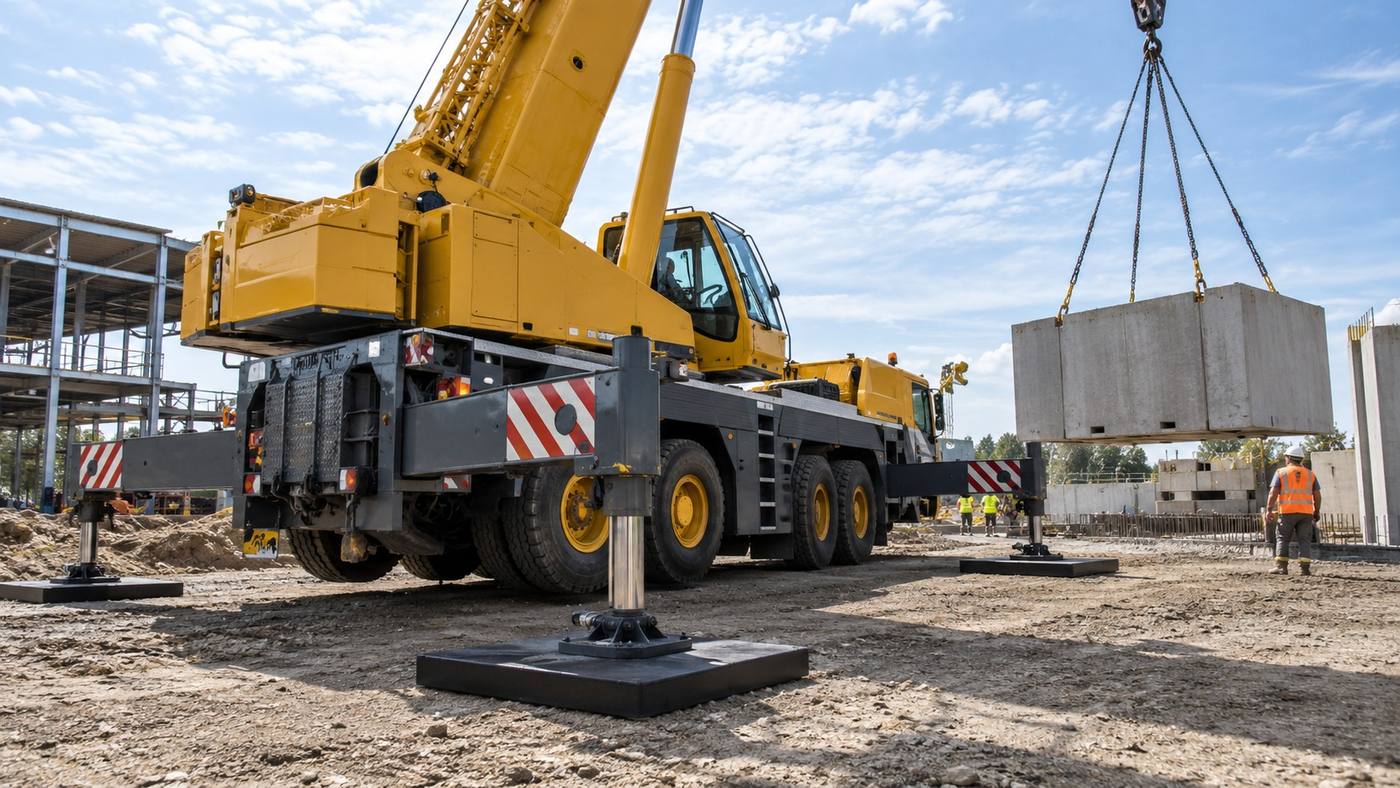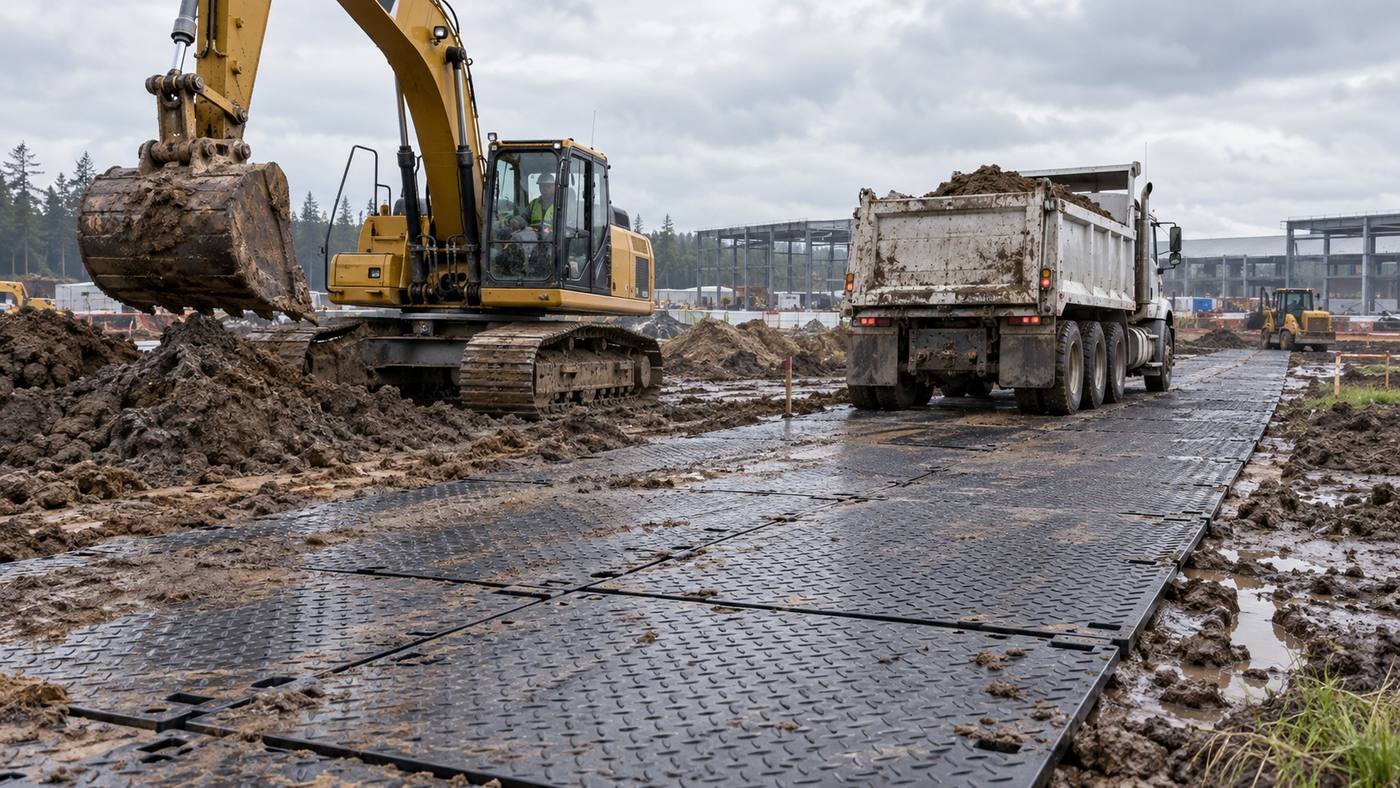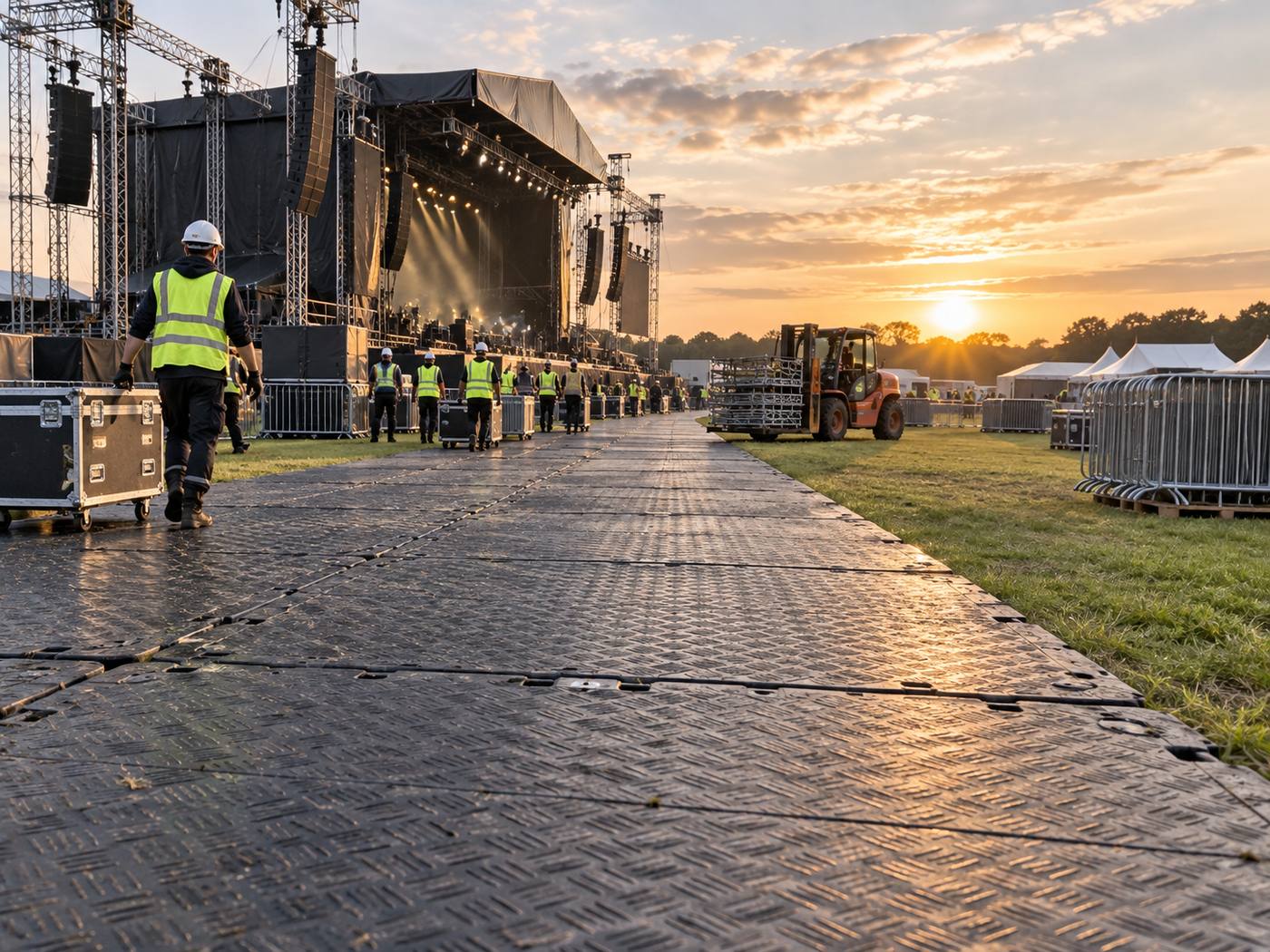
Most ground damage may still occur during the evacuation phase. If the export plates are removed and the remaining plates removed from bare grass or soft soil by the loaded vehicles, the effect of the front protection will be offset by the last hours of traffic. The correct order is to stop the addition of new vehicles and to return and dismantle them at the remotest end to the export zone, while keeping a continuous recovery route. The wheel and turn range of heavy handling equipment will also be included in the plan.
Surface sands and pines should be removed prior to dismantling and the connection should be checked for stress or frozen by mud. Connections are removed only when the area is isolated and no vehicle enters, and personnel are not allowed to reach under the suspension. When the sheeting is lifted, the cracks, the pore stretching and the permanent deformation are checked by number, and the soil should be cleared at a designated location to avoid a direct flow of sewage back to the lawn or the water mouth. Complete panels, panels to be repaired and scrap boards are stacked separately to facilitate subsequent inventories.
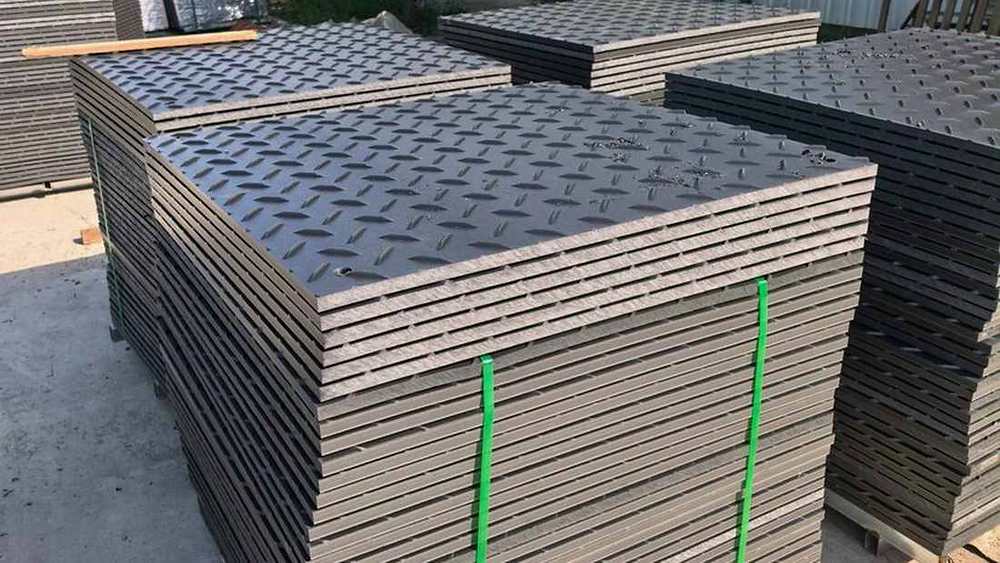
Dismantling of pavements to facilitate the phasing and recycling of temporary parking lots (contribution material for the plastic network)
Ground rehabilitation is to be treated according to the original use. The lawn may be preceded by a light removal of surface sediments, improved ventilation and decision by maintenance personnel to sow, cover or irrigate; gravel sites may need to be levelled and replenished; soft floors will need to be checked for deep troughs, local pressure and drainage congestion. There can be no immediate heavy crushing on saturated soil for quick beauty, which could further damage the roots or seal the tracks below the surface.
The acceptance and inspection should preferably use the same angle photographs before, during and after laying, and record the high distance, the depth of the car, the water position and the condition of the underground facility. If there are clear criteria for the restoration of the lawn in the field, the time for inspection should be agreed before the start of the project, as it takes a few days for part of the pressure and yellowing to appear. The plates are clean, dry and stacked to avoid long-term bending against the wall or exposure to inappropriate heat sources.
The acquisition and construction plan should set aside the evacuation site personnel, the cleaning of the area, removal equipment, transport packaging and ground restoration costs. Vendors can provide recommendations for single-block weights, stacking and hangers to help assess recovery efficiency. The removal of sites as part of the temporary garage programme, rather than as a temporary task after the completion of the work, would protect the site relationship and increase the next turnaround utilization of the pavement.
Need for further evaluation of the actual project?
Applications, sizes, quantities, site photographs or drawings and delivery destinations are sent, on which we can identify more suitable products and processing programmes.