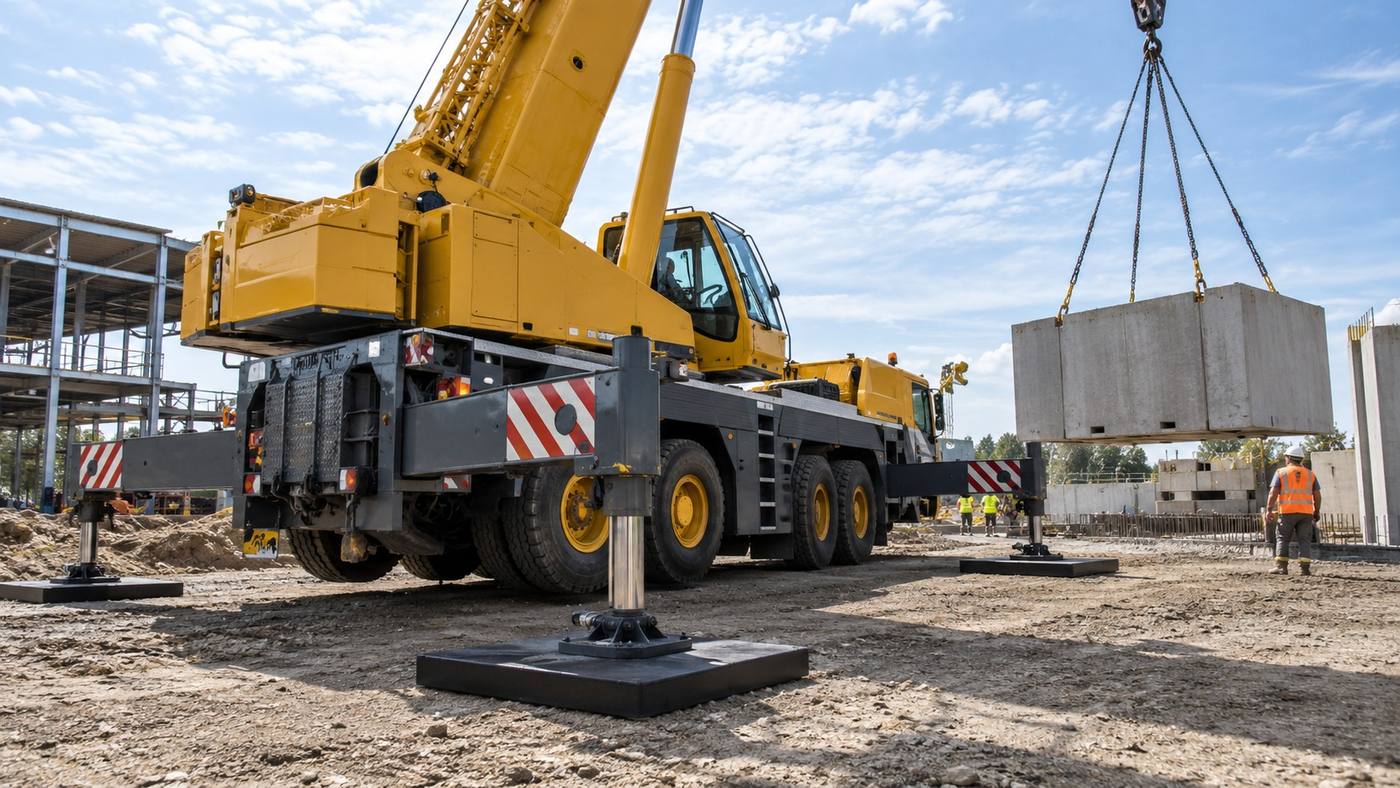
The temporary material dumps are often mistakenly thought to be directly placed on the pavement as long as the total weight is small, but the real control of the plate may be a point load formed by tray foot, steel support, container angular or equipment leg formation. The same 10 tons of material, evenly spread over a wide area, does a completely different function from concentrating on four small feet. The plan shall record the weight, exposure dimensions, number of stacks and handling equipment for each material and shall not be judged by the total tonnage of the stacking site.
The piles shall be divided into vehicle lanes, loading areas, long-term storage areas and personnel corridors. Heavy-duty spot-loading items are placed in a more stable position at the grass-roots level, with increased area of exposure using an accounting distribution board, beam or base. Normal HDPE pavements are suitable for ground protection and wheel-drive, but should not be held directly on board by sharp steel angles or narrow legs. The material, area and thickness for the distribution of the components shall be confirmed by the appropriate technicians and shall not be accompanied by a few bricks or short wood.
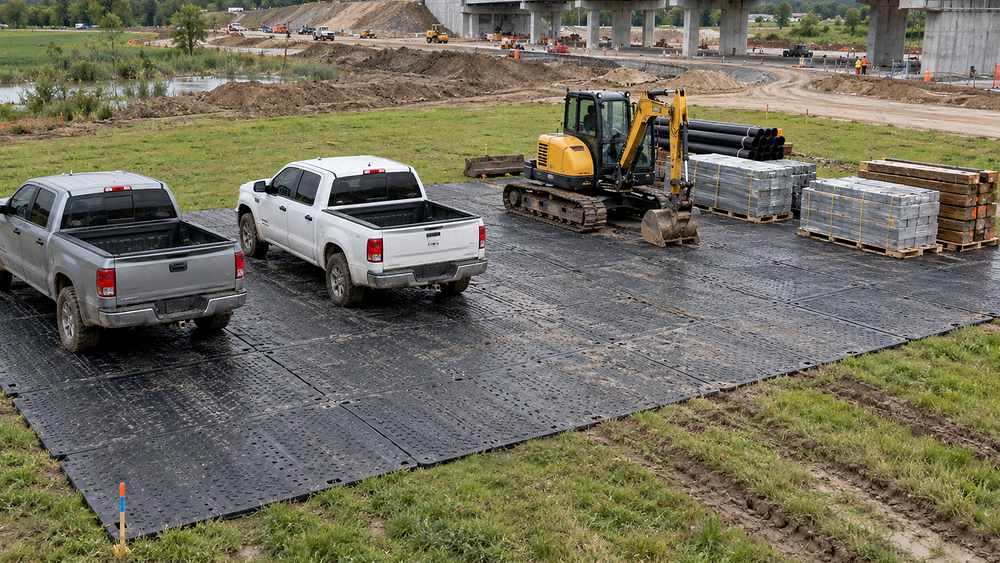
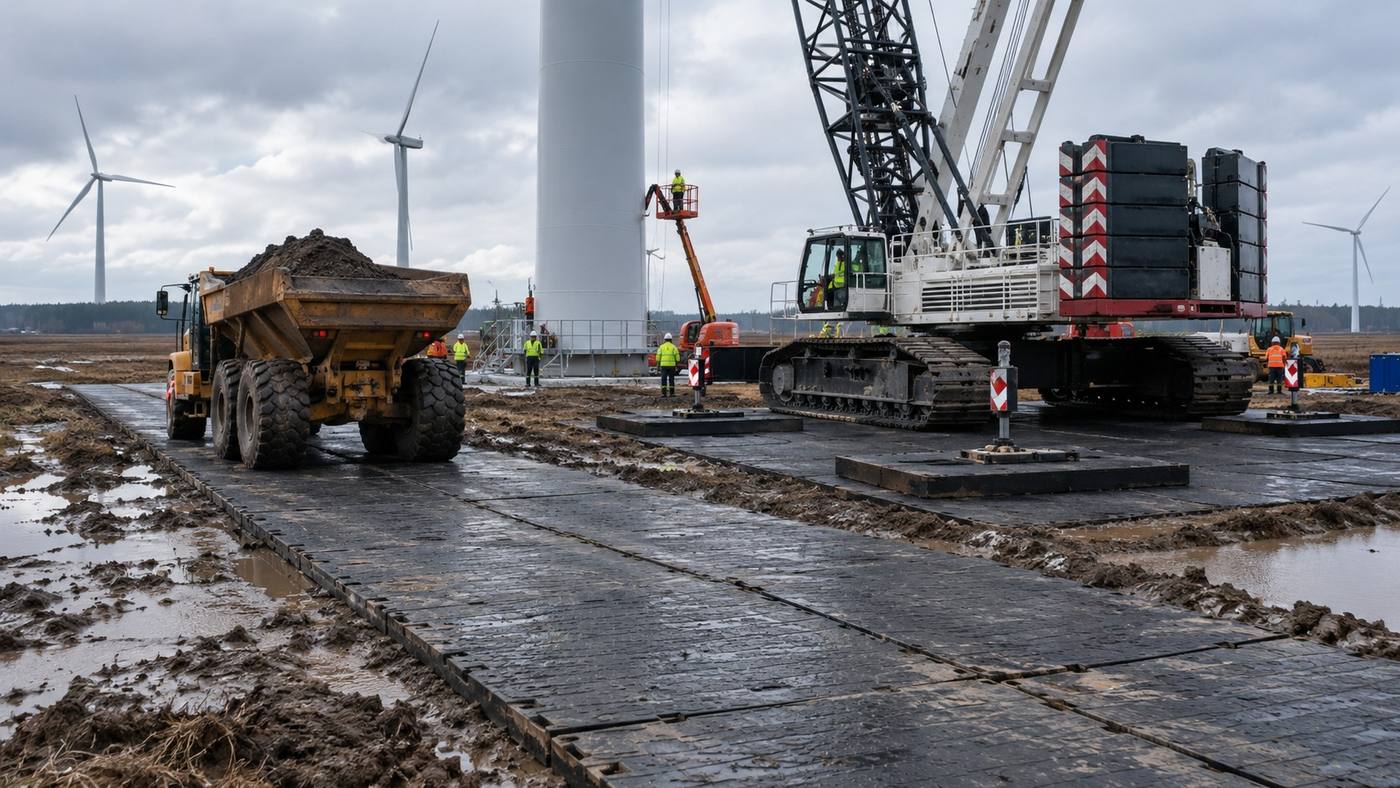
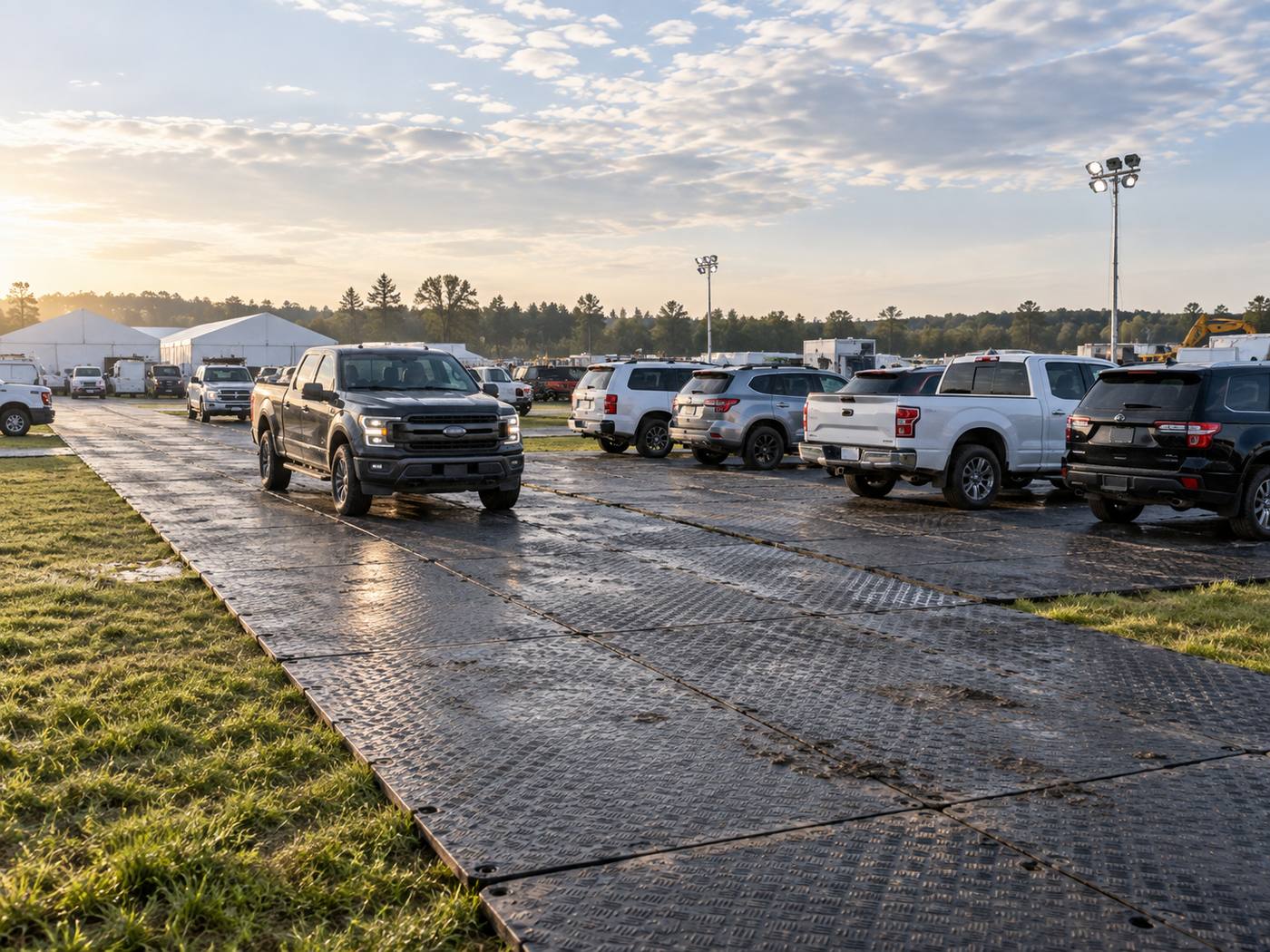
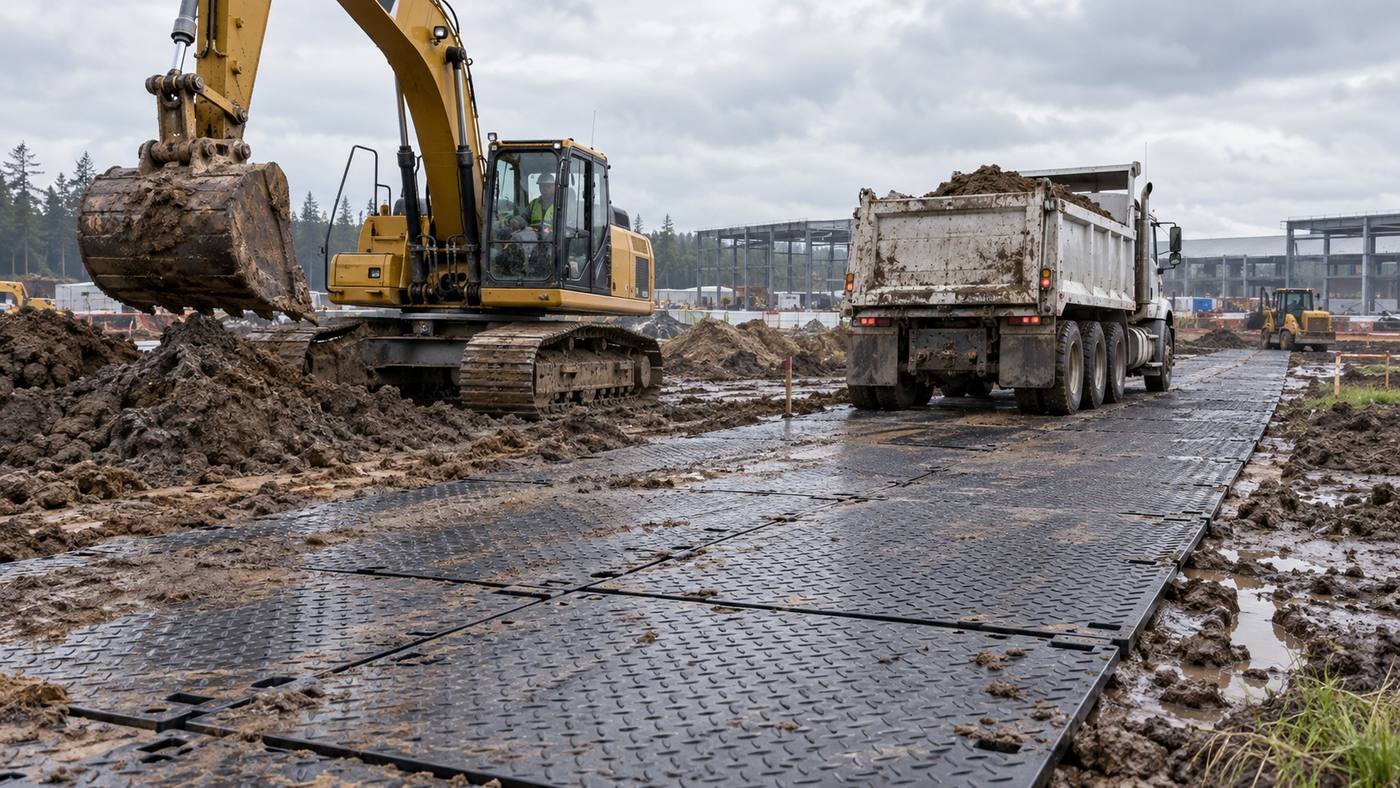
Vehicles, pallet and construction equipment on the temporary floor of the pavement (new construction site map)
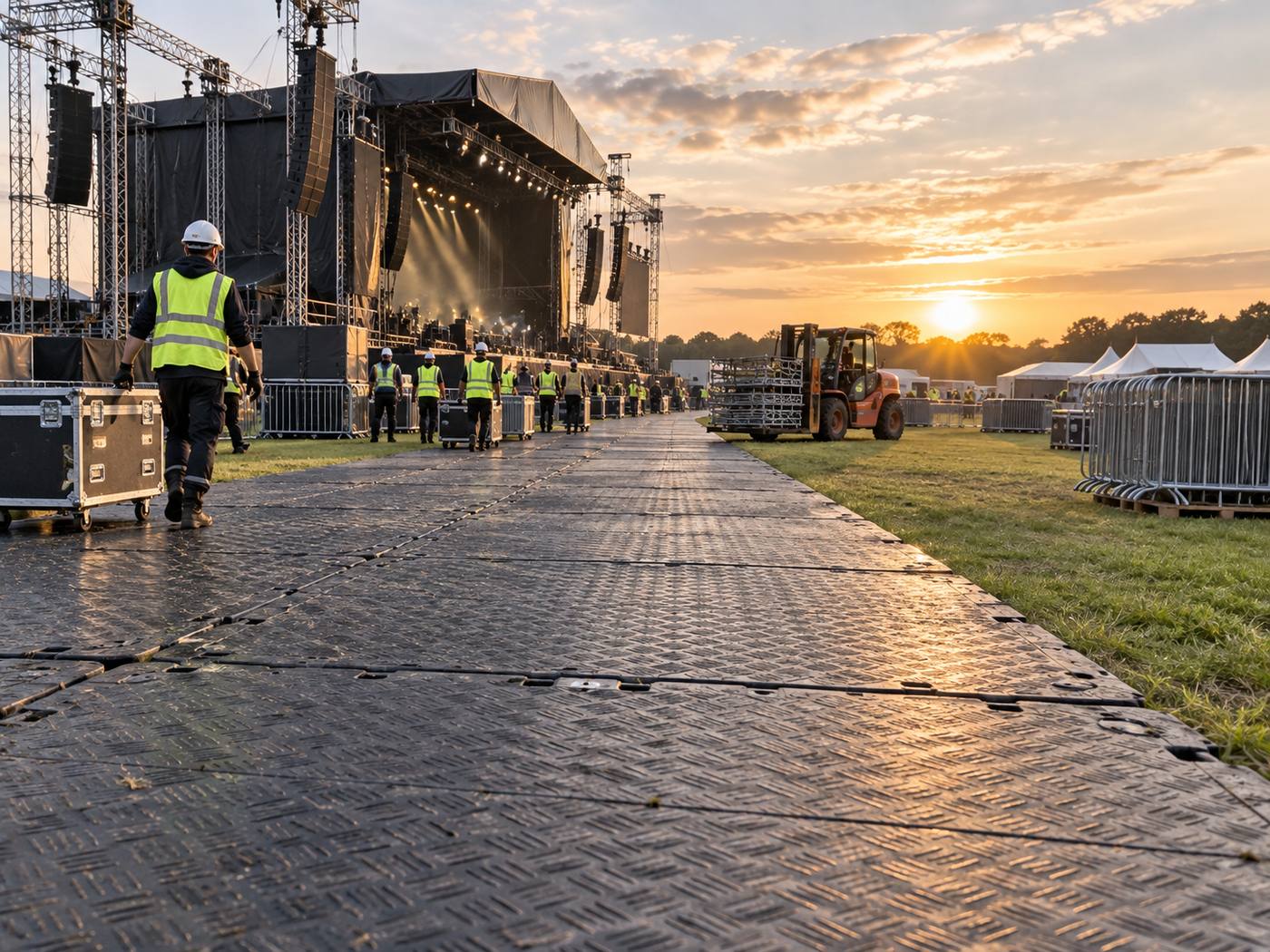
The floor is laid to avoid isolated hard spots and gaps. Core stability is maintained for stacks, which are strictly prohibited in excess of the permissible capacity of the pallet, shelf and ground. Forklift material is removed with a dynamic shock and a shift to cut, and forklifts are not able to scrape the surface; during high-frequency operations at the same location, reinforcements can be expanded and clear routes set. The material is also required to confirm the compatibility of the plate and to set up a rehydration measure if the oil, plasma or corrosive media are to be spilled.
The focus of the inspection included local dents on the surface, white cracks, slopes on the bottom, open seams and ground-level depositions. Long-term stacks should be removed from the inspection as planned and changes under the plate should not be overlooked because of the top material cover. When a foot is found to be pressurized, the partition board bends or the stack is tilted, it shall be immediately isolated and reloaded. The earth's strength declined after the rain, and the previously stable point-loading position could also be variable.
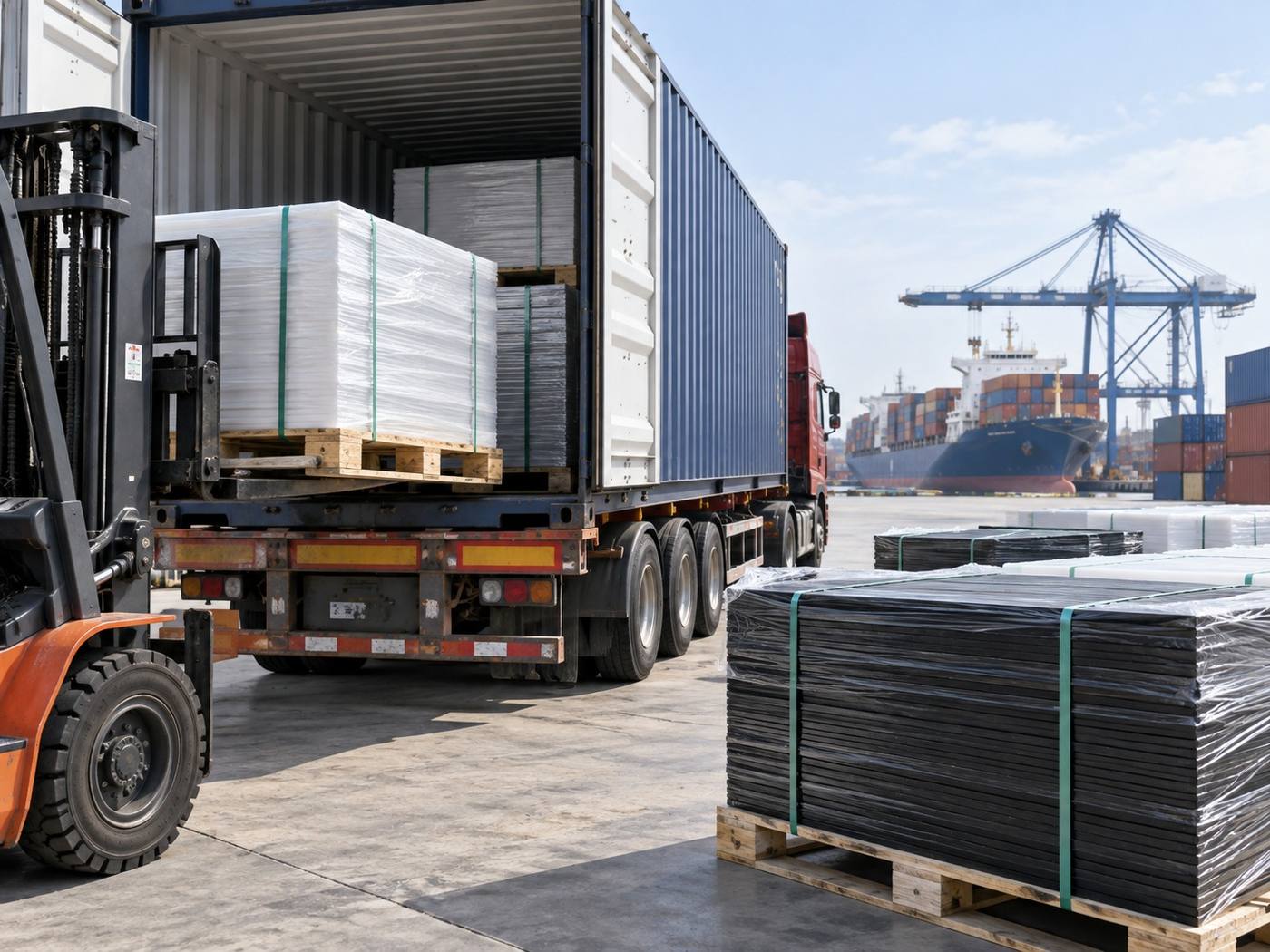
Provide suppliers and project technicians with a single maximum mass, number and size of nodes, stacking cycles, axle loads of moving equipment, ground type and stack plan. This allows for the specification of pavements, the local distribution of loads and grass-roots requirements. The separate identification of the spot load will prevent local stabbing of the plate, as well as reduce the risk of material overturning and site decommissioning.
Need for further evaluation of the actual project?
Applications, sizes, quantities, site photographs or drawings and delivery destinations are sent, on which we can identify more suitable products and processing programmes.