The requirements of continuous night transport for paved roads are not limited to increased lighting. It is more difficult for the driver to judge the position of the side, the water, the seams and the pedestrians, and it is also easier to miss the fall already occurring during the day during the shift. The project should manage temporary roads as a controlled transport facility, with clear permission for vehicles, direction, speed limits, meeting points and parking standards. The road map needs to be physically consistent with the site and updated in a timely manner when new trenches, stacks or hanged areas are added to avoid the use of old experience by drivers to access restricted areas.
The lighting shall cover the entrance, the bend, the foot of the slope, the car area, the loading point and the edge of the road, and the light shall be fitted with less dizziness and shadow. Only strong light is set in front of the vehicle, which may make the seams and waters more difficult to identify. The sides may be guided by a self-contained reflector mark or fence, but may not be drilled on the plate at will or fitted with parts that would be involved in the tyre. Rainy fog weather is also used to check whether the mud covers the smooth-lined road and reduces speed or suspends high-risk transport based on visibility.
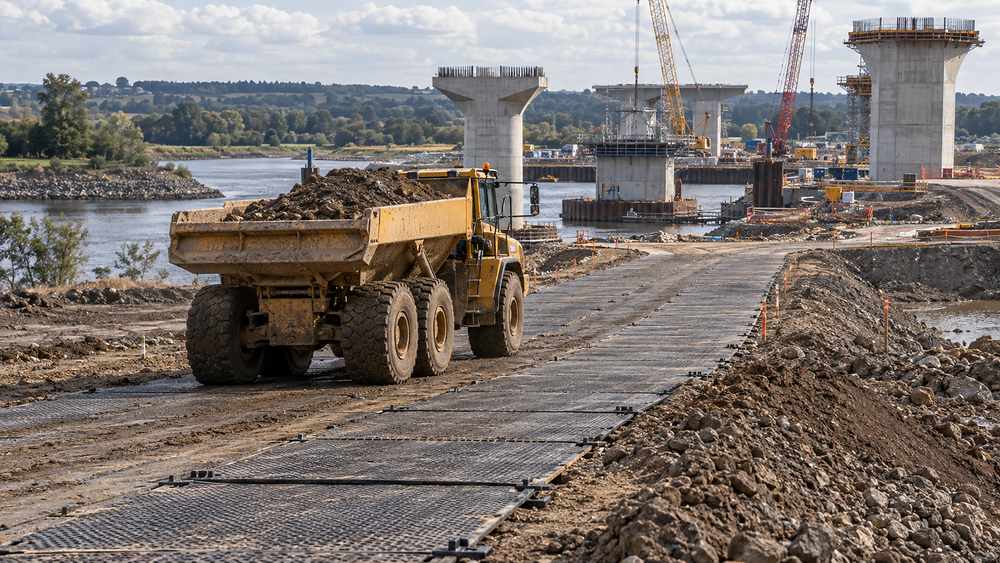
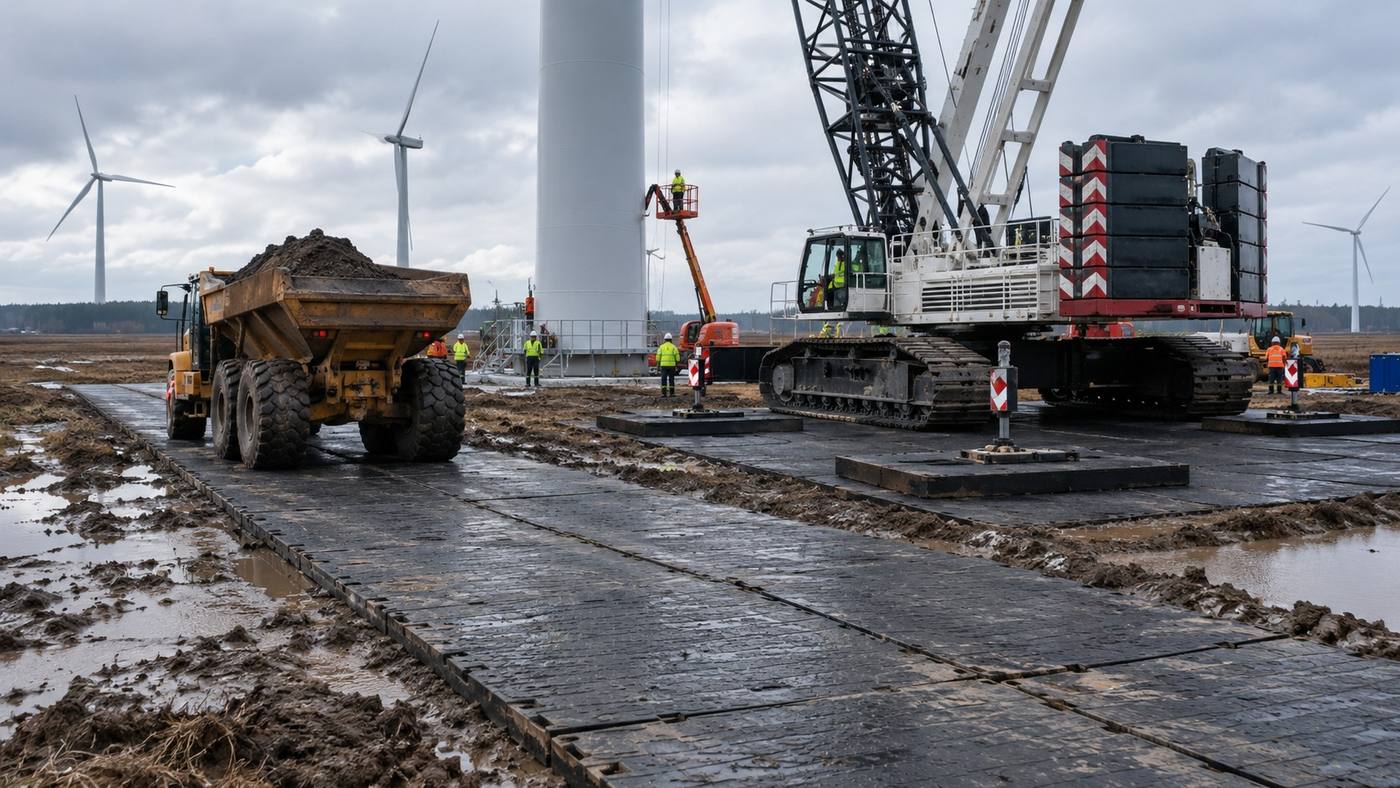
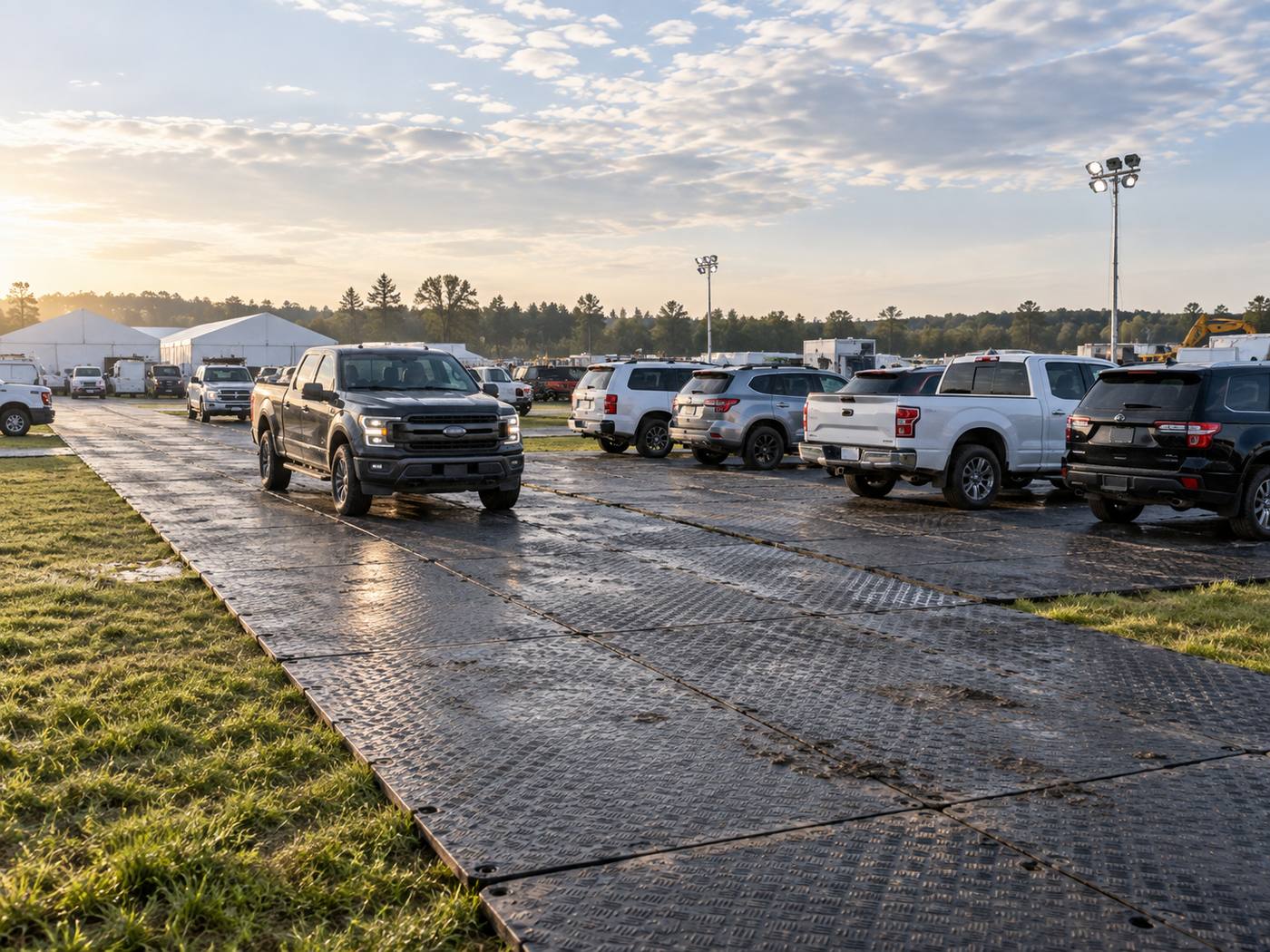
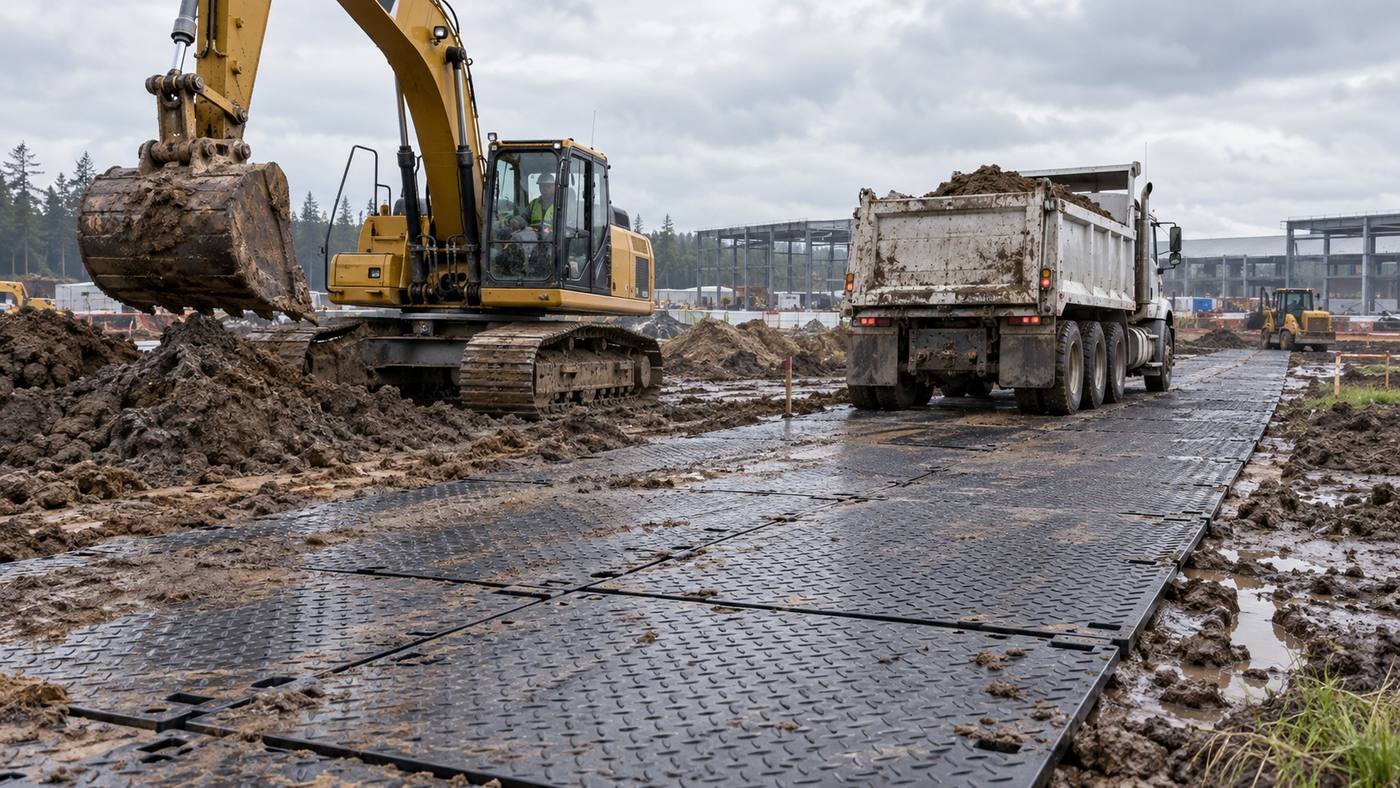
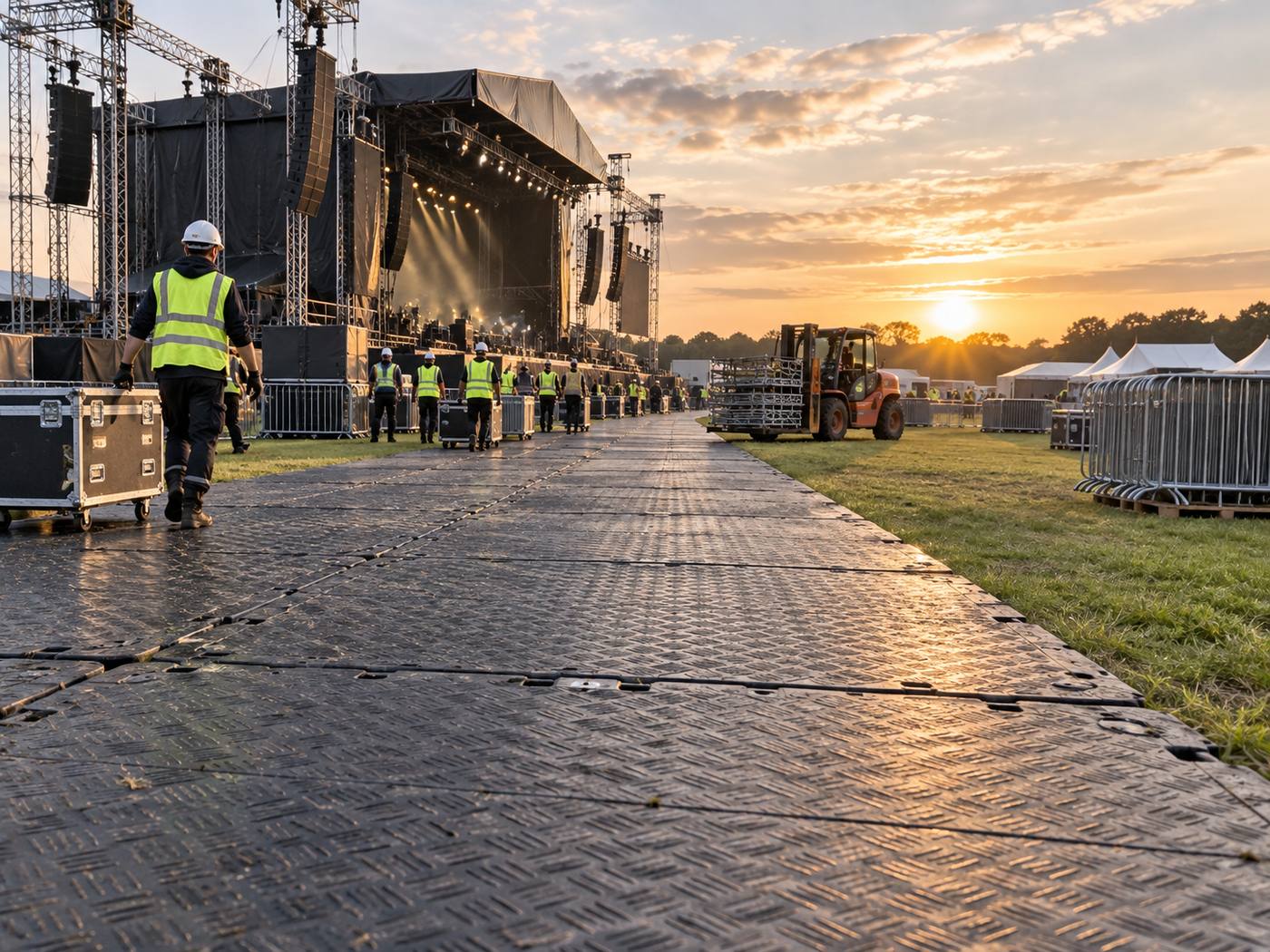
Continuously laid temporary roads to provide clear access belts for heavy night transport (new construction site map)
Prior to the commencement of each shift, the designated person shall inspect the connectors, the slabs, the edges, the slurry and the obstacles along the route. The handover record should state the specific location and the state of processing, and not just “normal road”. The HF heavy vehicle route can be numbered on the side of the plate, with a direct reporting number and direction when a problem is detected. In the event of a visible swing, tire slip or impact stitching of a vehicle, the driver should report the vehicle at a safe location and should not continue to accelerate the crossing.
The night maintenance must first be segregated and the vehicles and equipment must be stopped and the plates removed. Personnel are not allowed to reach under unreliable plates to clear the mud, nor can they stand in the blind zone of the reverse vehicle. Following the completion of the repairs, low-risk vehicles were tested and the lighting, marking and connection restored. More comprehensive inspections should be arranged during the day for projects with multiple consecutive day and night movements, as cracks, pore stretches and small depositions are more easily detected in natural light.
In addition to the tonnage of the vehicle, the request shall indicate the number of night vehicles, the driving route, the minimum turn radius, the lighting conditions, the slope of the road and the planned maintenance personnel. This will allow for a rational selection of the plate texture, thickness, mode of connection and spare quantities. The inclusion of inspection, reporting and decommissioning standards in the class process will allow HDPE pavement to remain predictable in a continuous transport, and will reduce the number of lock-outs triggered by a sideline or loose connector.
Need for further evaluation of the actual project?
Applications, sizes, quantities, site photographs or drawings and delivery destinations are sent, on which we can identify more suitable products and processing programmes.