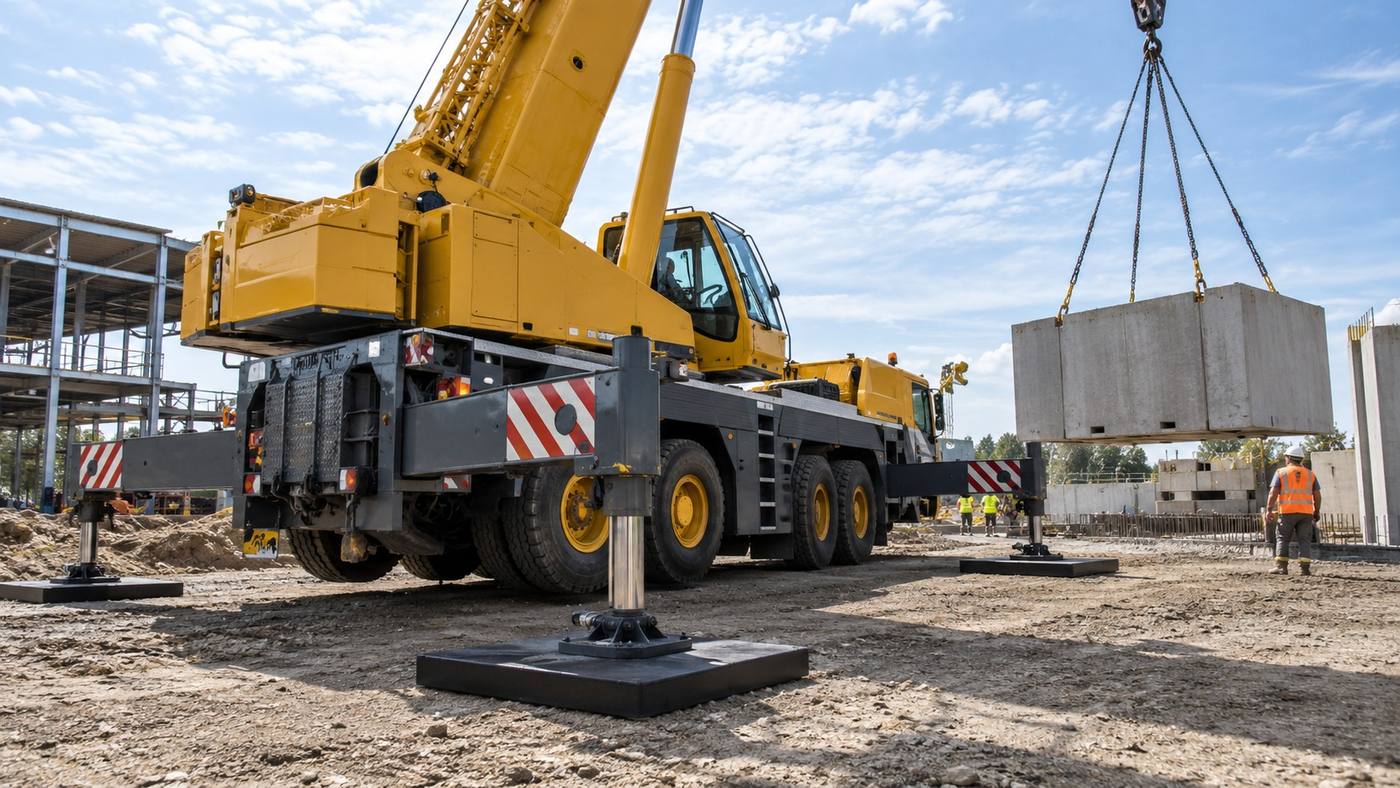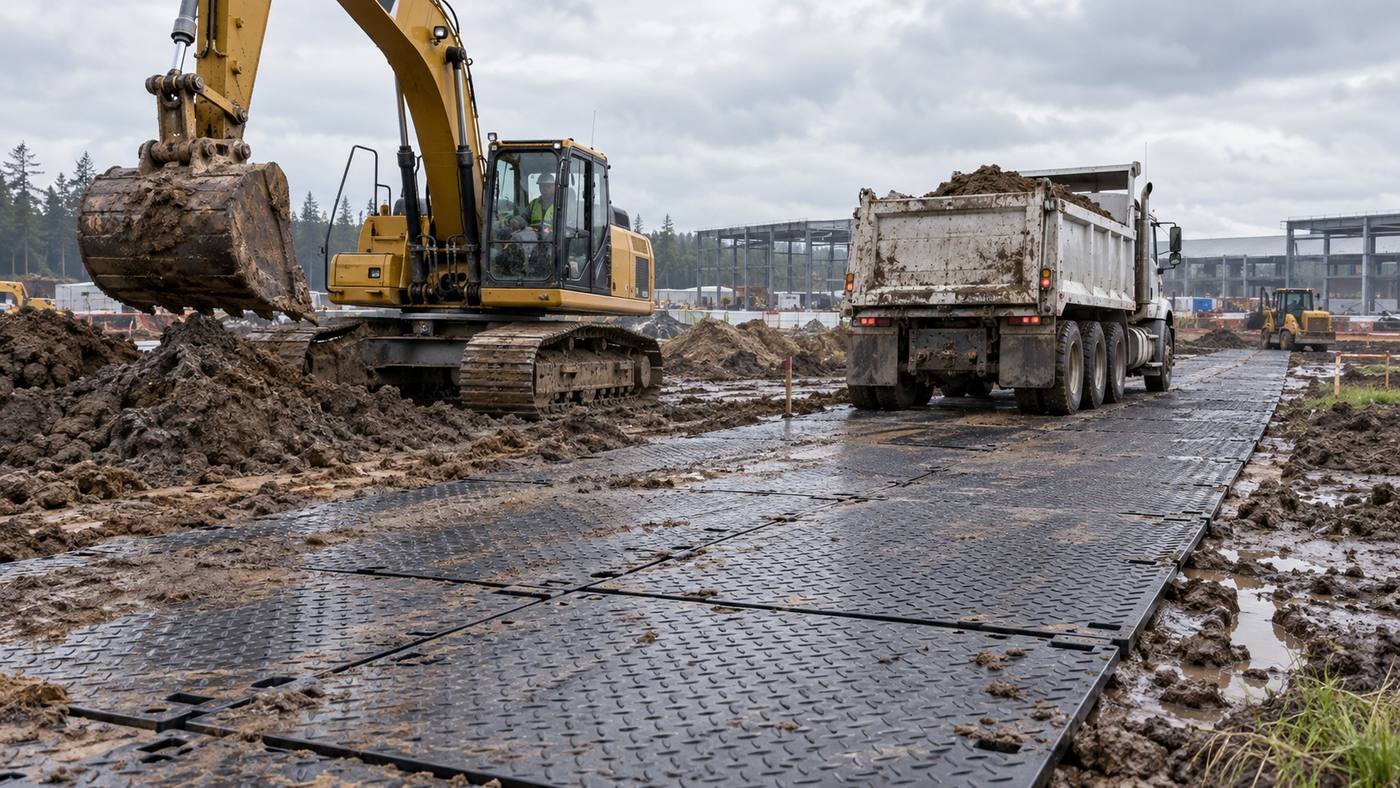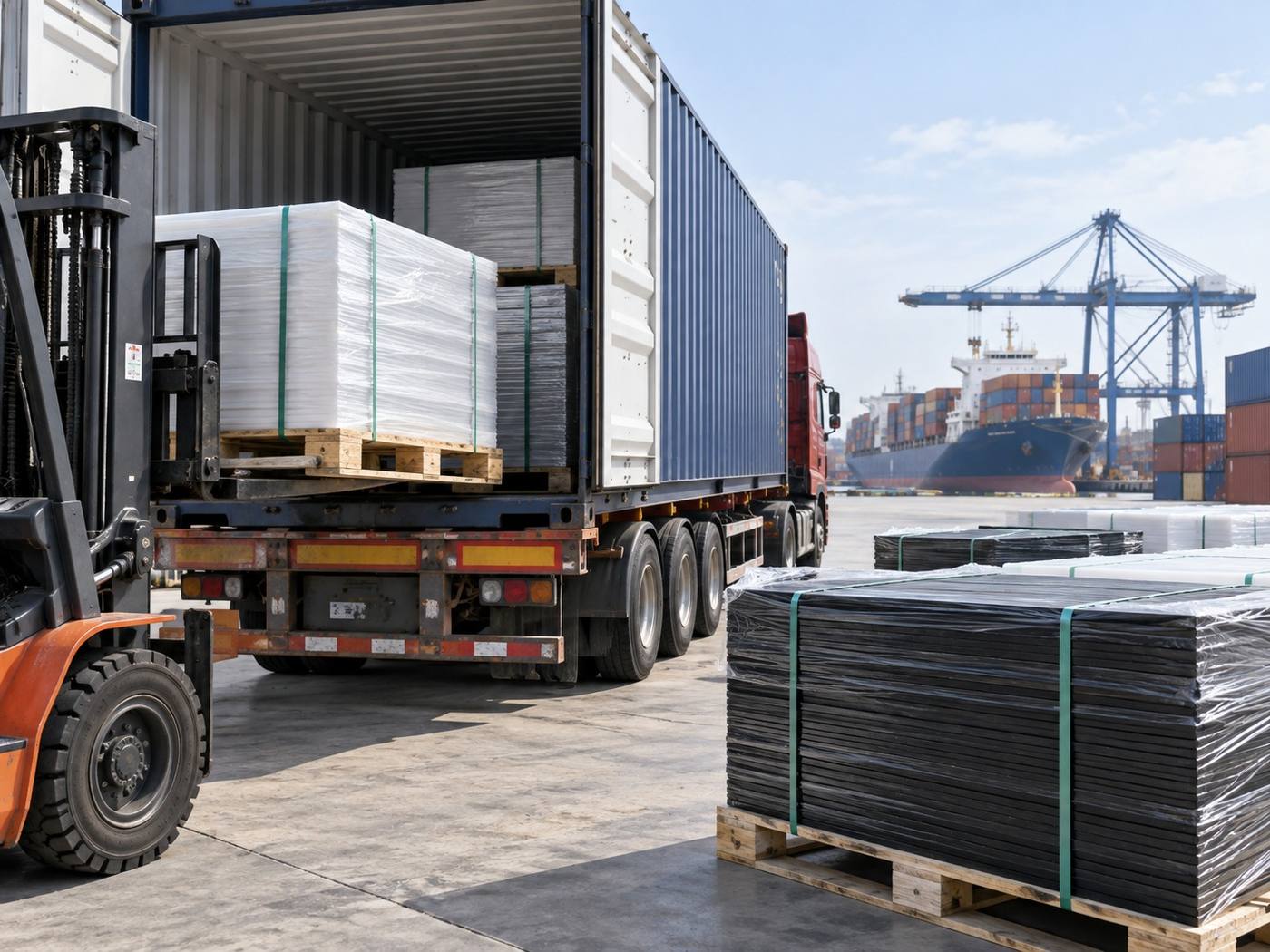
The efficiency of the pump is not to be traded by reducing the number of leg pads or skipping inspections. A more efficient way would be to standardize the size, weight, handle, vehicle-mounted storage and sequencing of the pads so that the teams would operate in the same process at each site. The combination of permitted pads is first determined on the basis of maximum reversibility of the legs of the pumper and the common ground, and then the individual is assessed as suitable for manual handling, with mechanical aids when exceeding the safety weight or size.
The polymer leg cushions can be designed for ropes, embedded handles or special lifting points, provided that they match the product structure and handling mode. Personnel are not allowed to stand where the mat may fall, nor to use legs, shovels or vehicle towed pads at will. Vehicle storage should be able to fix pads and avoid slips or shades of lamps during transport, and mud clean areas should be separated from storage to prevent wear and tear from being brought into the layer.
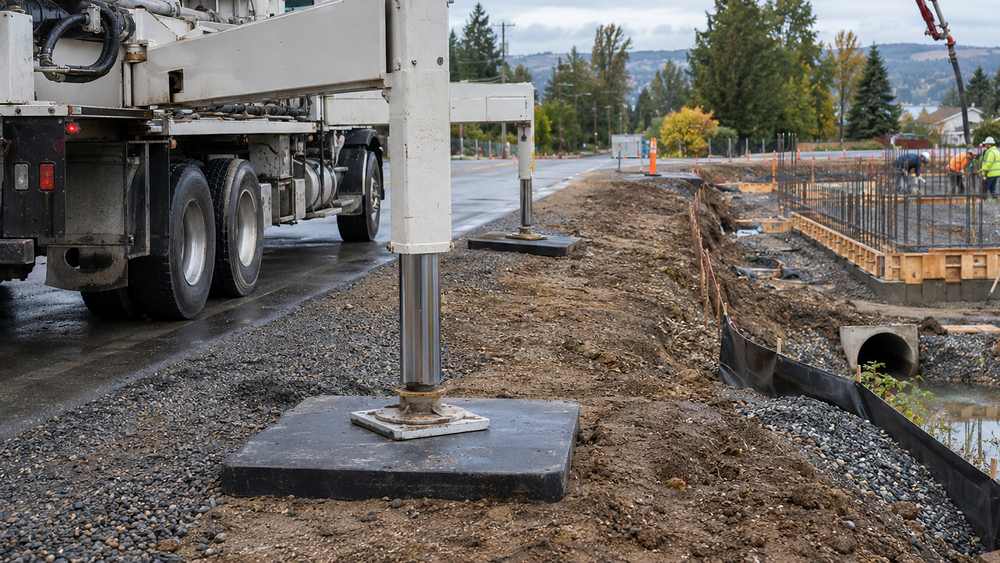
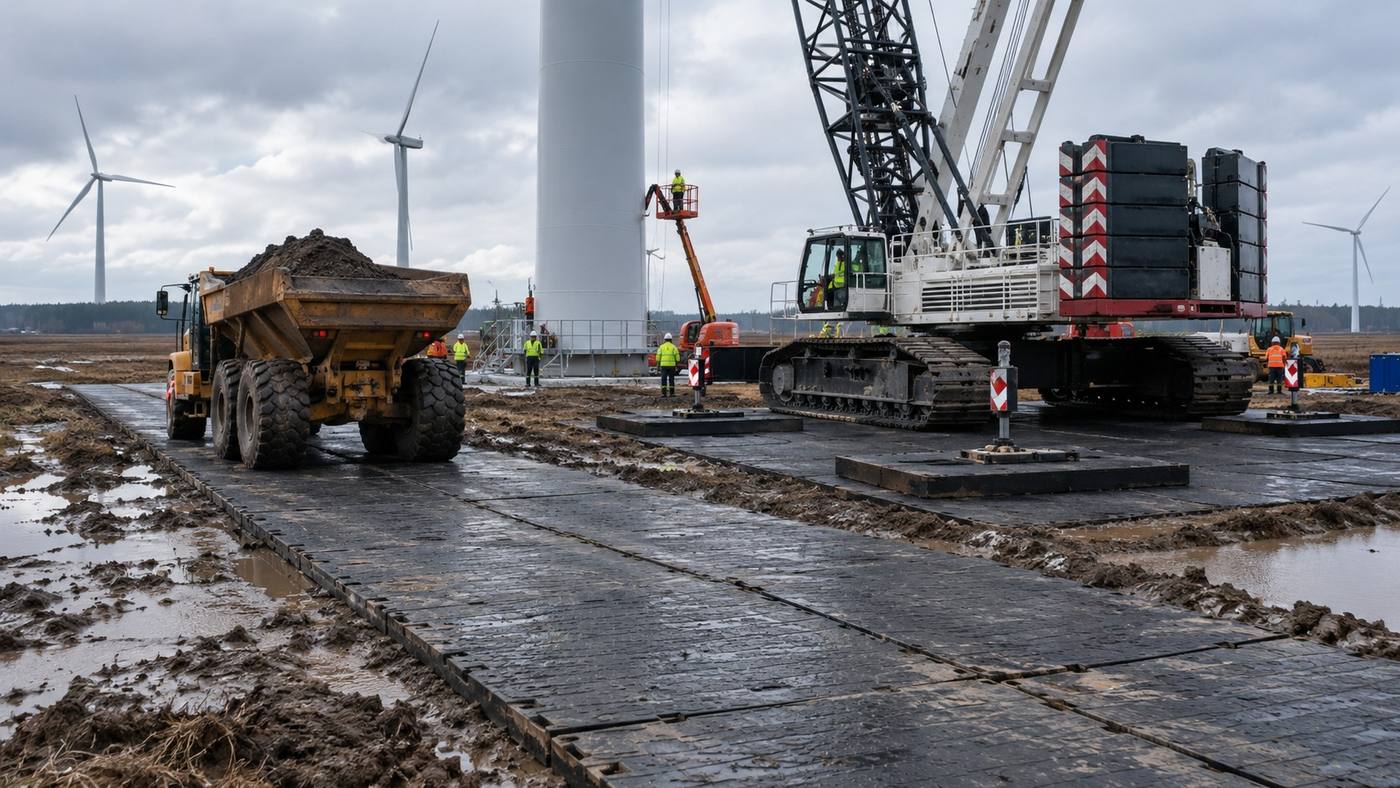
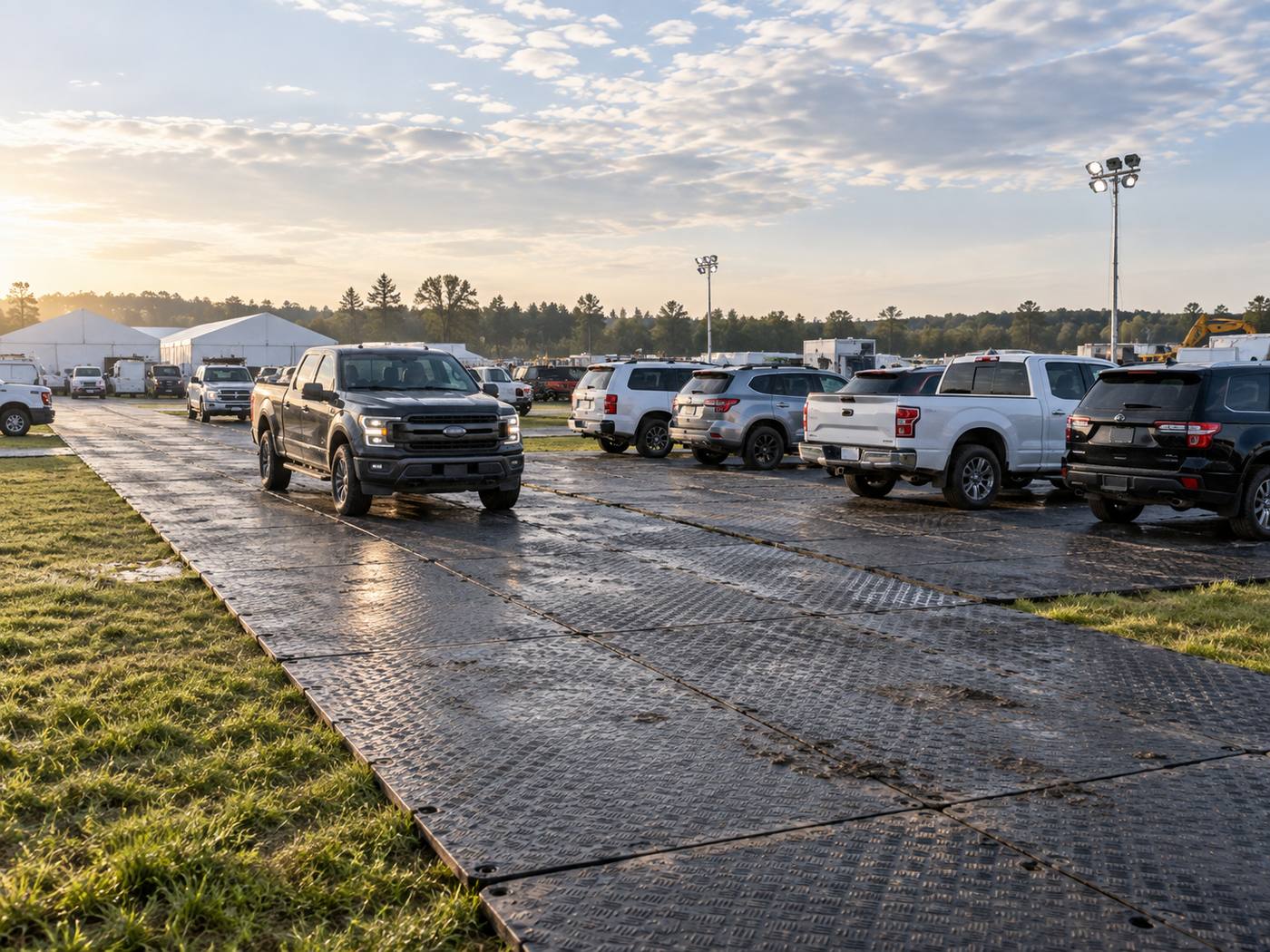
Standardized collection and use of a pump leg pad on the side of the equipment (new construction site map)
On arrival, the pads are unloaded in a pre-established order: first, the location of the ground and equipment is confirmed and each pad is delivered to the corresponding leg. Numbering and colour markings can help class to identify pre-, post- or post- and post-size, but markings are not a substitute for checking the retrogressive force of the legs. The arm racks are not extended until the mats have been placed in the middle, sustained stress and the equipment has been stabilized. If the site conditions exceed the standard combination, such as soft backfill or proximity to the base pit, the assessment should be suspended and upgraded.
The barriers around the pads are removed and recovered when the equipment is fully unloaded. Each pad is quickly checked for cracks, deep mouths, permanent bends and hand-hand injuries, and the abnormal sheet is isolated and re-opened without a perfect plate. A simple record of associated vehicles, sites and damage time can be used to identify which operational scenarios lead to frequent replacements. Regular cleaning and proper stacking usually saves more time than the temporary search for alternative gaskets on site.
The maximum retroactivity of the legs, the common ground base, the target block weight, the space on board, the number of personnel and the expected number of cycles are explained to the supplier, and are more appropriate to the size and handle of the class. The goal of removal efficiency is to complete the same complete support and inspection with less action, rather than downsize the pads to the point where they cannot satisfy the load or allow people to venture.
Need for further evaluation of the actual project?
Applications, sizes, quantities, site photographs or drawings and delivery destinations are sent, on which we can identify more suitable products and processing programmes.