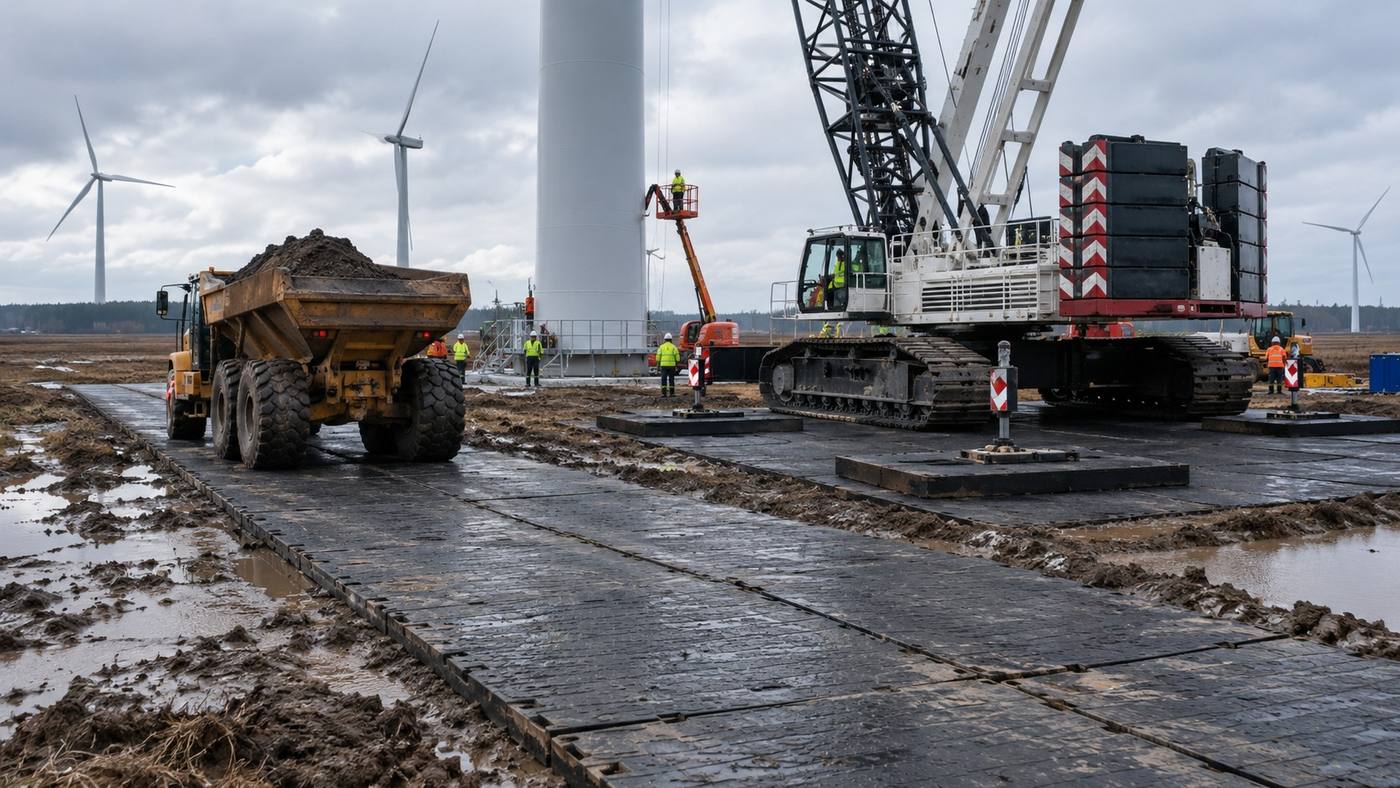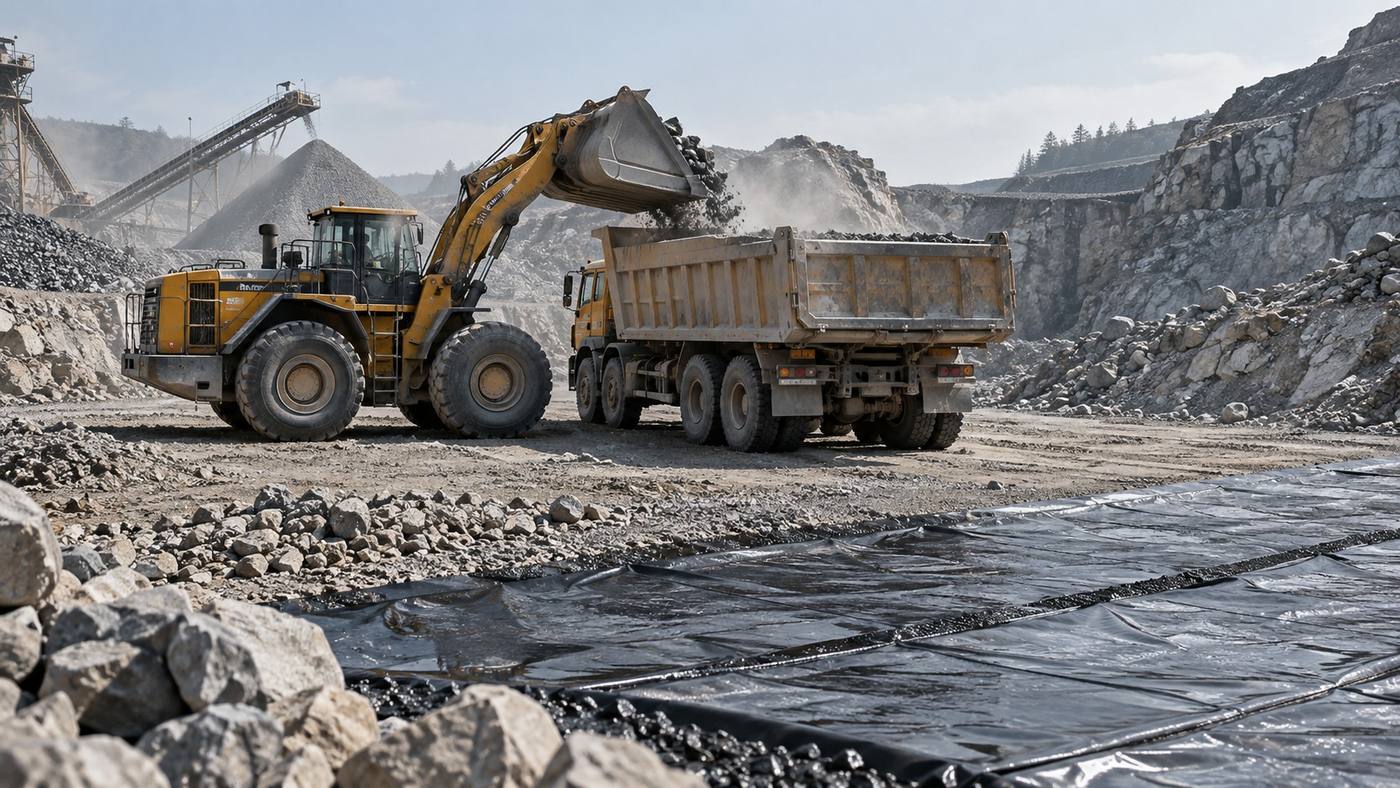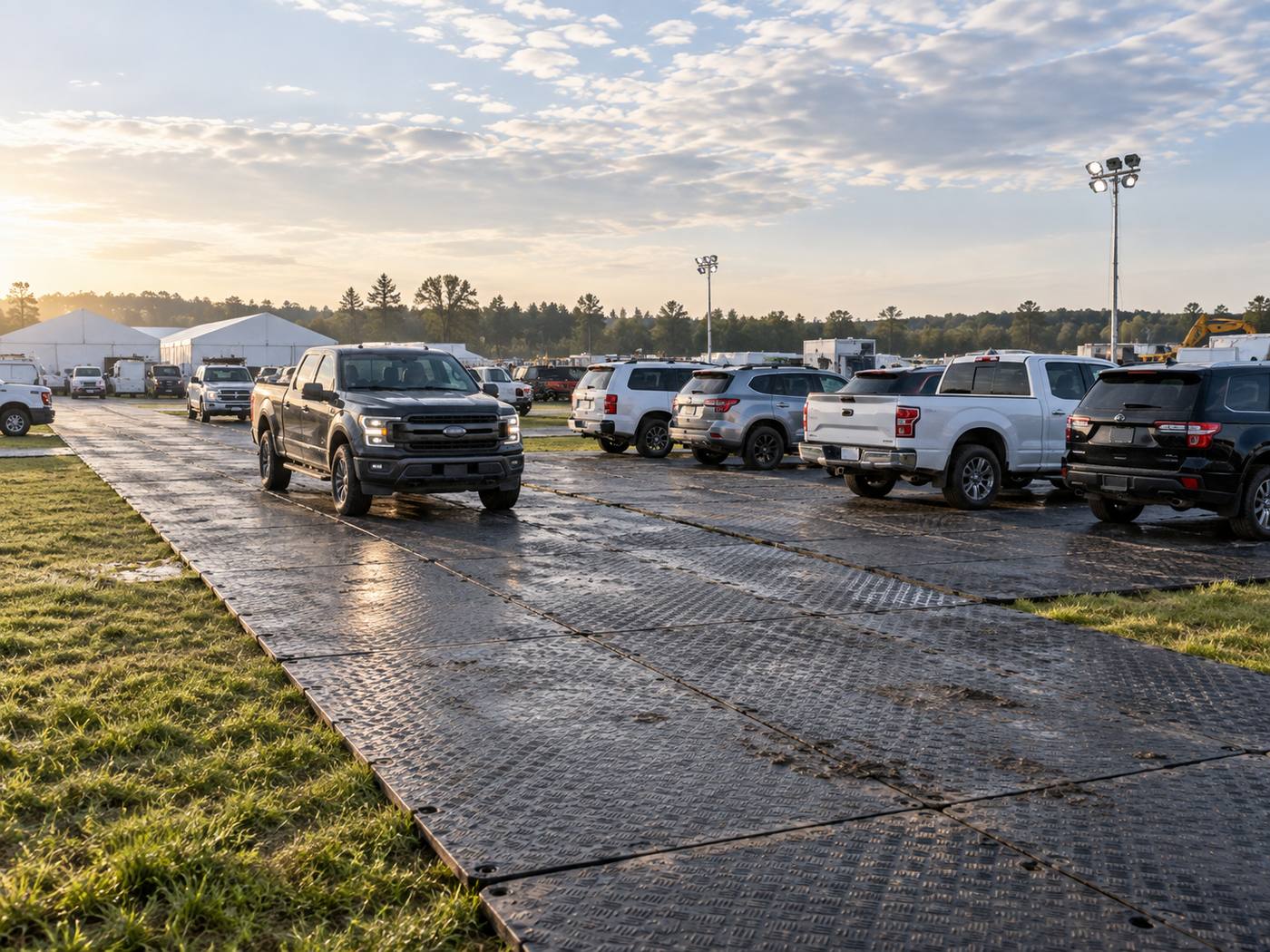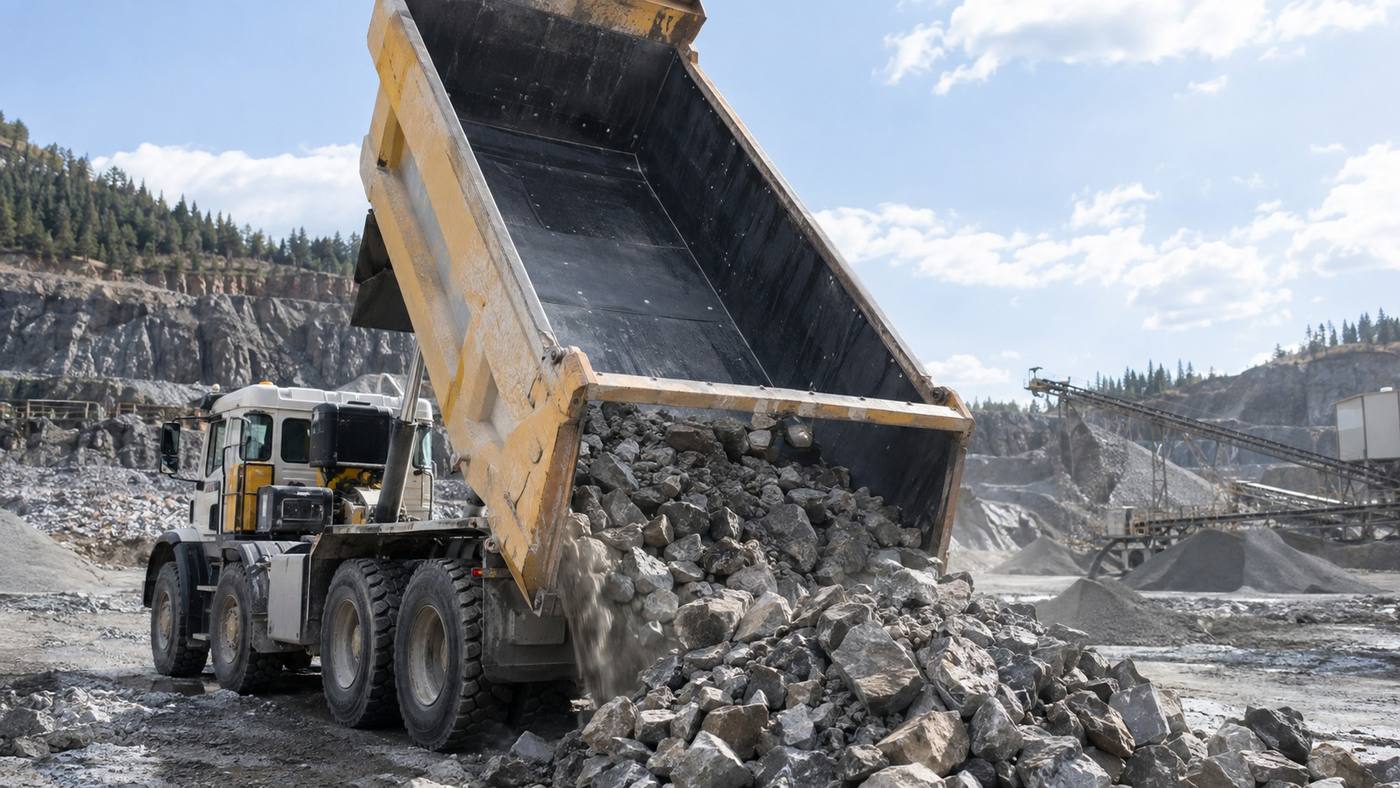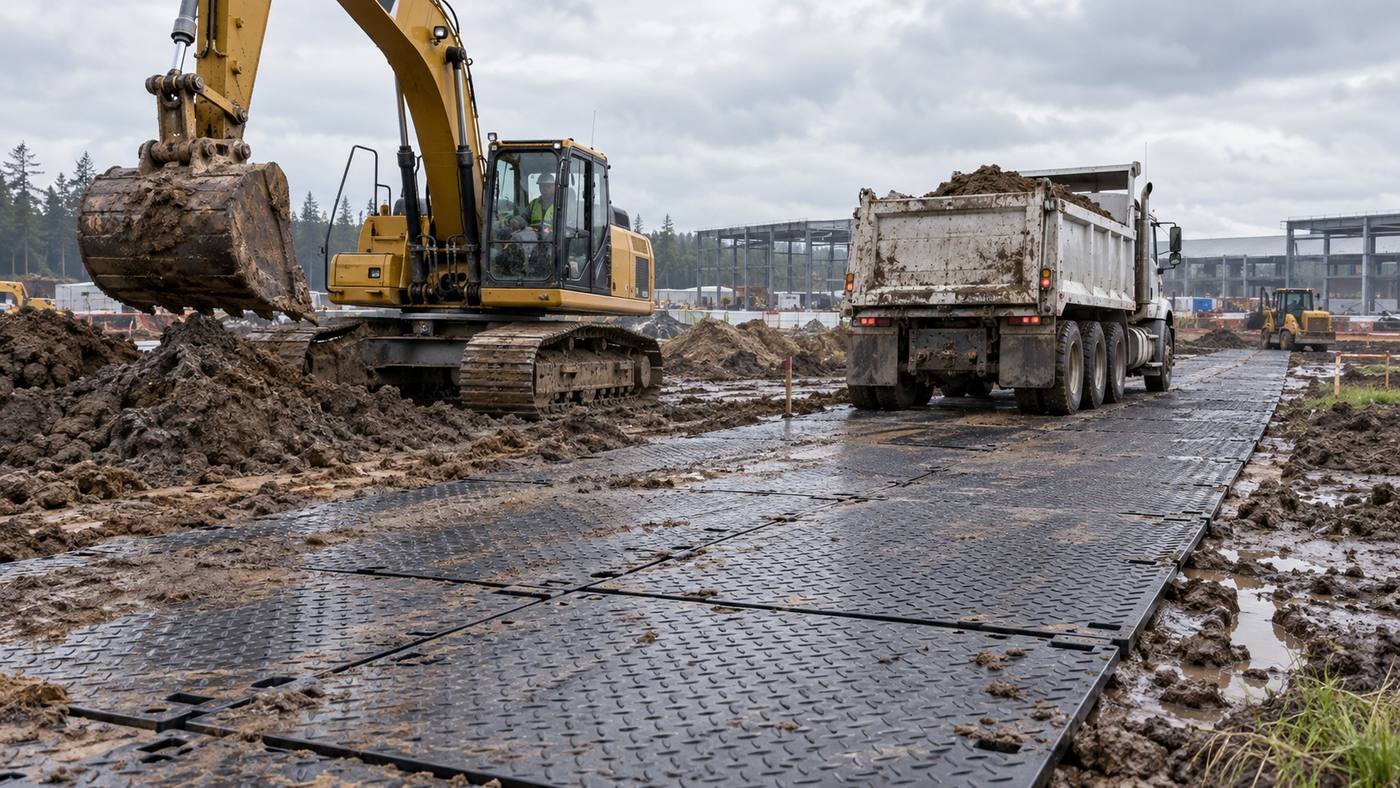
It is not the whole sedition that needs to be most vigilant about backfilling, but rather the differences caused by different levels of filling, thickness and pressure. The surface of the old gutter, the perimeter of the well room, the stairwell backfill and the old earth may appear flat, but when the heavy vehicle is adopted, it suddenly becomes dents or steps. The sheeting can cross a small area of soft spot and spread the wheel, but if the lower hole or backfill continues to compress, the plate will be deformed along with the ground and will not be able to connect the potential permanent bridge.
Backfilling records, piping charts, pressure tests and near-term deposition information should be viewed prior to construction, as well as along the routes to observe cracks, water accumulation, surface patches and old vehicle wheel tracks. When ground-based conditions are confirmed by means of detection or testing, they shall be carried out by personnel with the appropriate capabilities and shall not permit any random drilling of underground facilities. When the route passes through a well cover, entropy or gutter, the permissible loads and earth cover conditions of these structures are checked, rather than being directed to the heavy vehicle by the pavement.
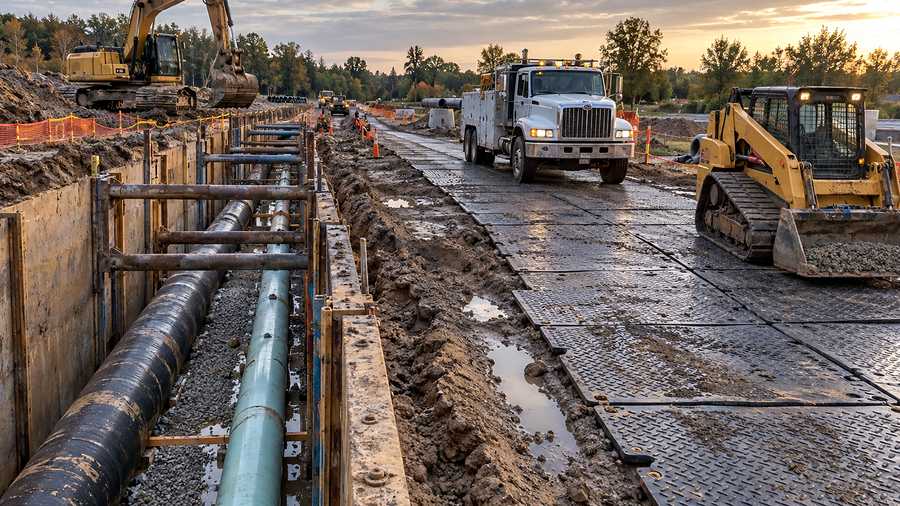
Road-painted vehicle access to infrastructure site back-filled areas (new construction site mapping)
If the backfill mass is controlled, a continuous base of HDPE panels can be formed by drainage, patching and flatting. A smooth transition and increased observation would be desirable at the border between the old and new foundations, and the seams would not coincide with the expected landing line. For areas of uncertainty, a short test segment could be laid, the vehicle moved in a light-to-heavy order, and fixed high-range points could be set to record plate and ground changes. A static inspection cannot replace observations after multiple load cycles.
Traffic should be restricted immediately when long strips of sedimenting along the direction of the gutter, cracking of the perimeter of the well room, rapid increase in the gap between panels or local slurry following rain are present in operation. The slabs are inspected in isolation of the vehicles and then restored to the ground. If the deposition continues to develop, refilling or underground structures will need to be investigated by project engineers, and access will not be maintained under the continuous filling pads. The location and time of each deposition is recorded to determine whether the issue is related to rainfall, a particular car type or the construction phase.
Provide the supplier with backfill coverage, projected soft points, road width, maximum axle charge, frequency and life cycle to select the plate and connection options; and provide the same information to the project technical team for ground-based verification. The stability of temporary roads depends on the identification of hidden backfilled borders. A combination of data surveys, trial shop monitoring and decommissioning conditions is more reliable than a decision based solely on surface hardness.
Need for further evaluation of the actual project?
Applications, sizes, quantities, site photographs or drawings and delivery destinations are sent, on which we can identify more suitable products and processing programmes.