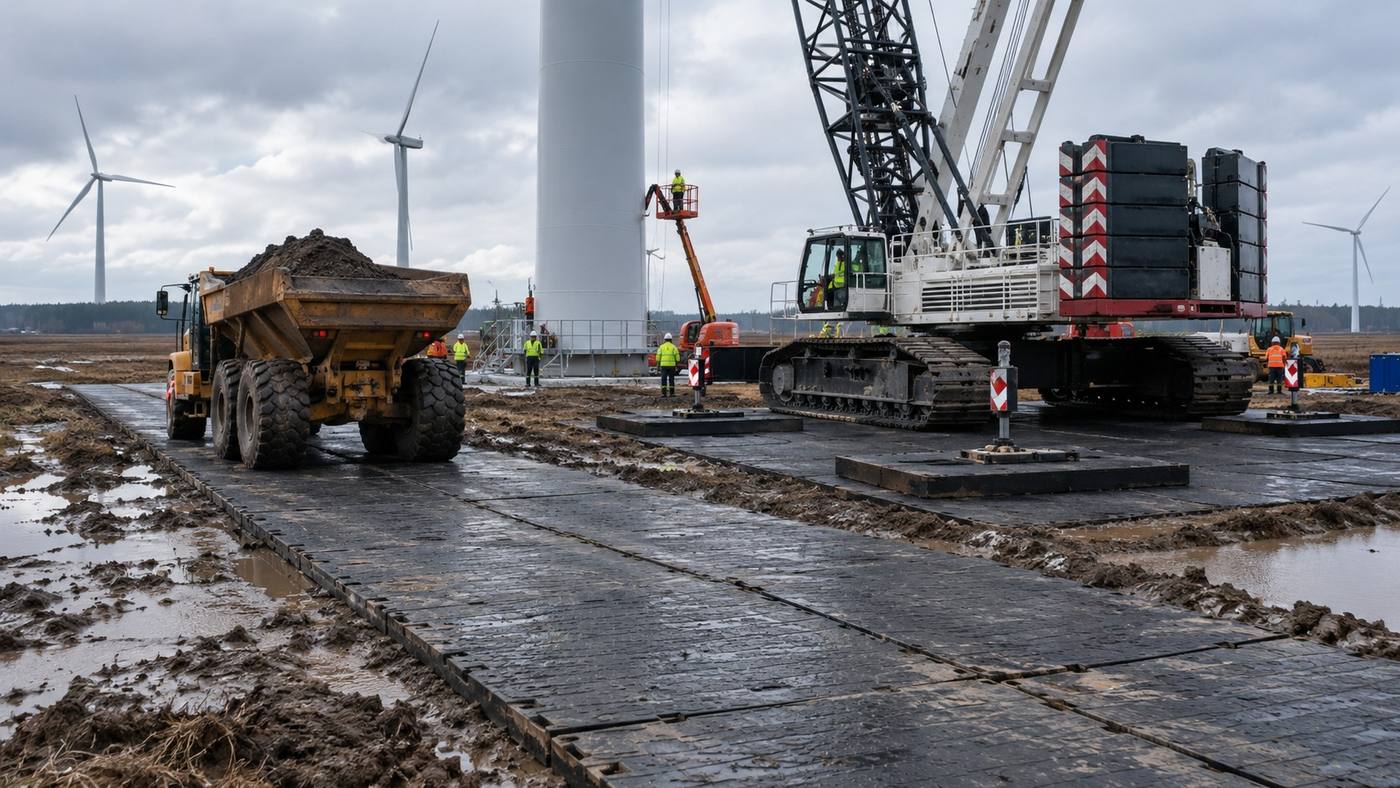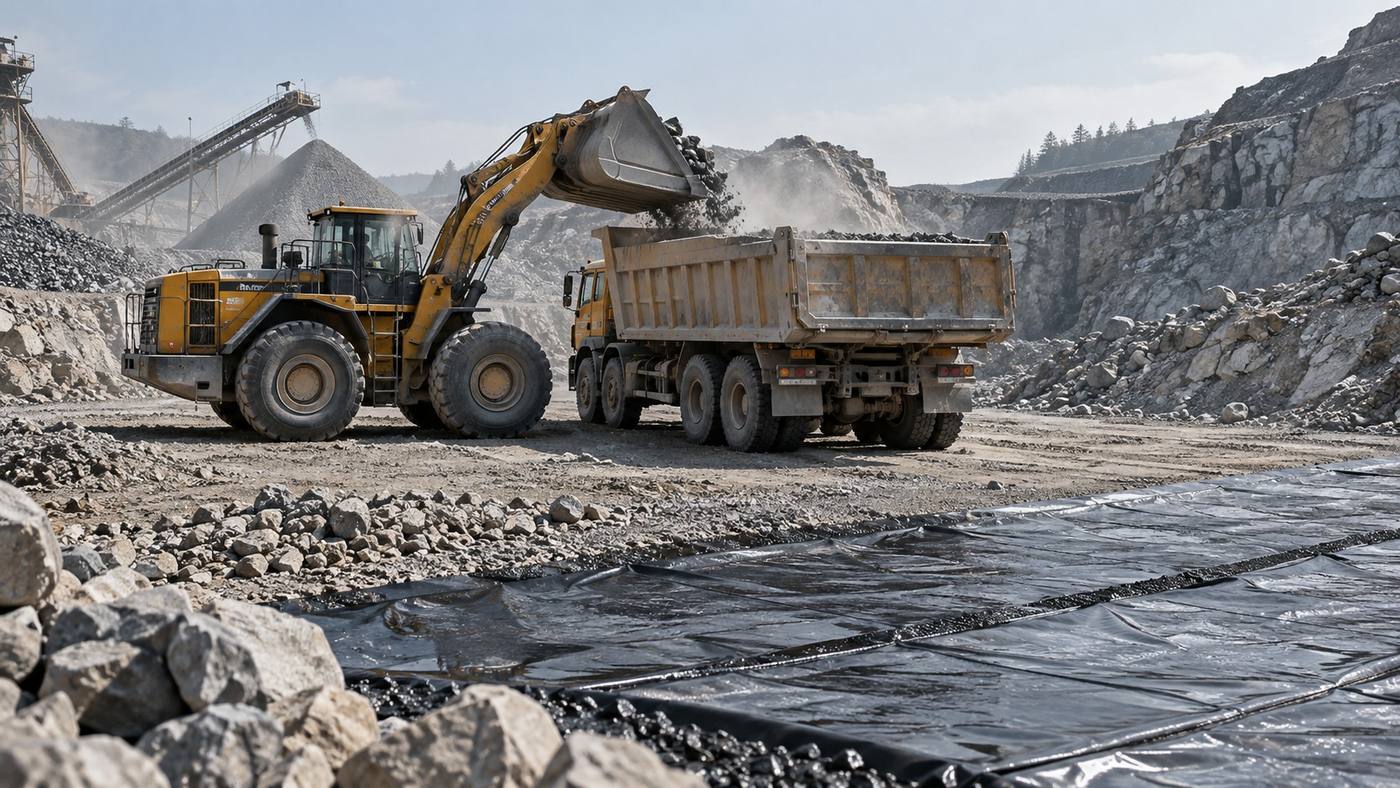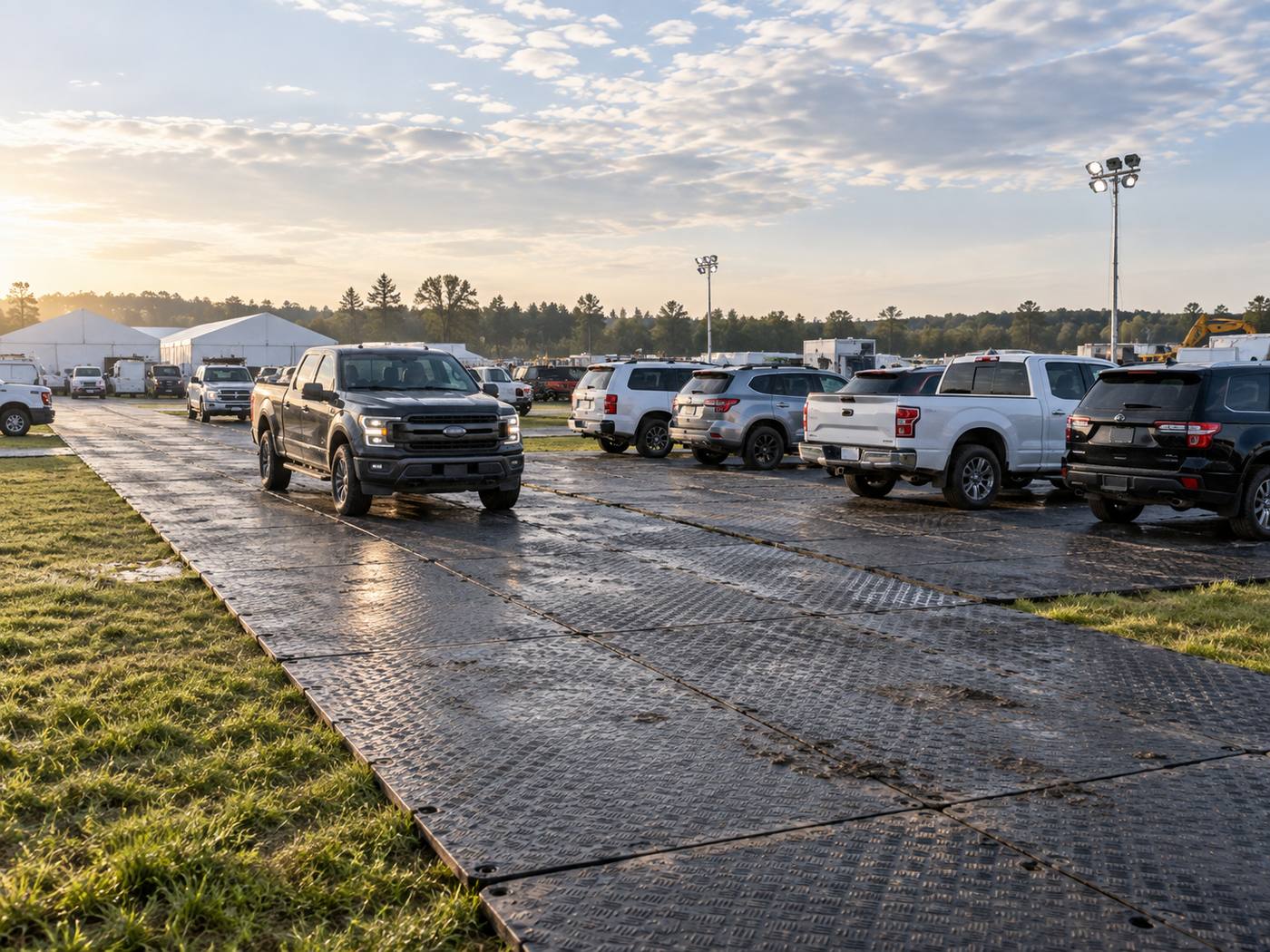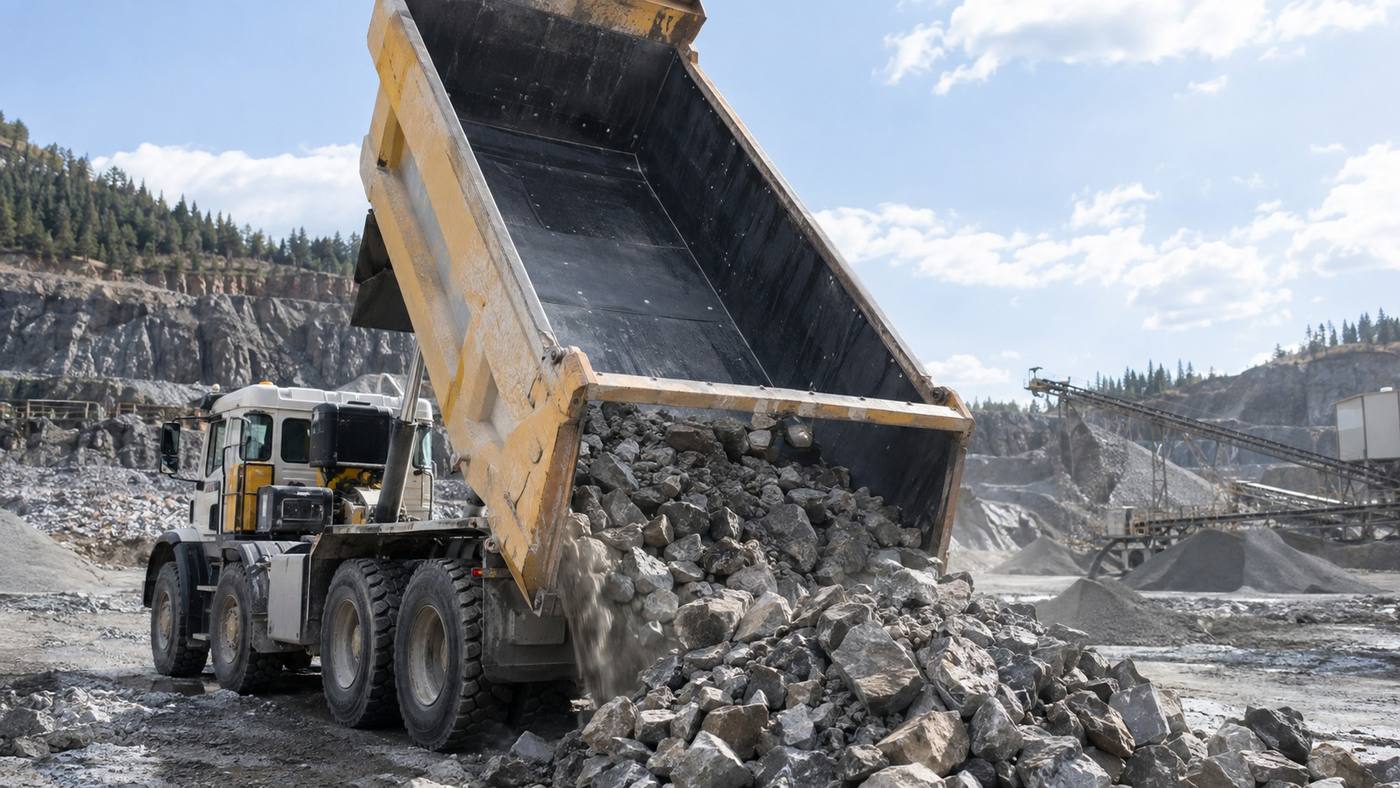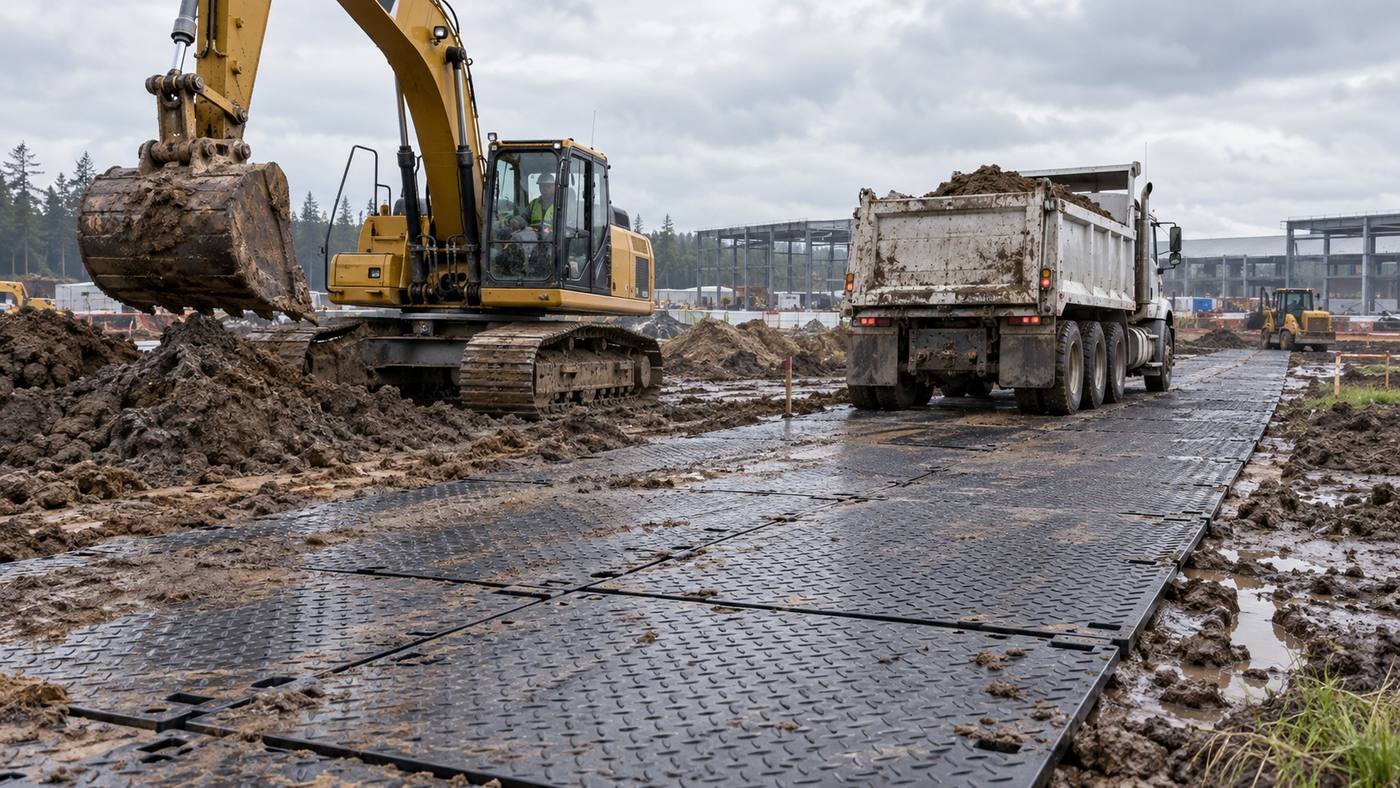
Bridge construction is often accompanied by changes in large earthed vehicles, cranes, riverside soft soil and water levels. The main transport line, the crane station, the building yard and the waterside area are different loads and cannot cover all regions with the same thickness. The project should first divide the functional areas on the basis of the surveying, hydrological, environmental clearance and construction phases, then determine the grass-roots, drainage and temporary roadways. Road-pading boards are suitable for the protection of surfaces and dispersed wheels, but are not a substitute for deep, soft-base treatment or slope stabilization designs.
Riverside routes should be kept as far as possible away from swirl, steep and saturated soft layers, checking groundwater, seasonal water levels and established flood protection facilities. The necessary earthwork materials, grade fills or reinforced platforms are determined by the engineering design, and drainage and sedimentation measures are designed to prevent the water from entering the river. The plates are laid continuously from the end of stability, and the edges are sufficiently supported to extend beyond the water-emptied area. The turning points for the transport of bends, ramps and components should be expanded to protect the width.
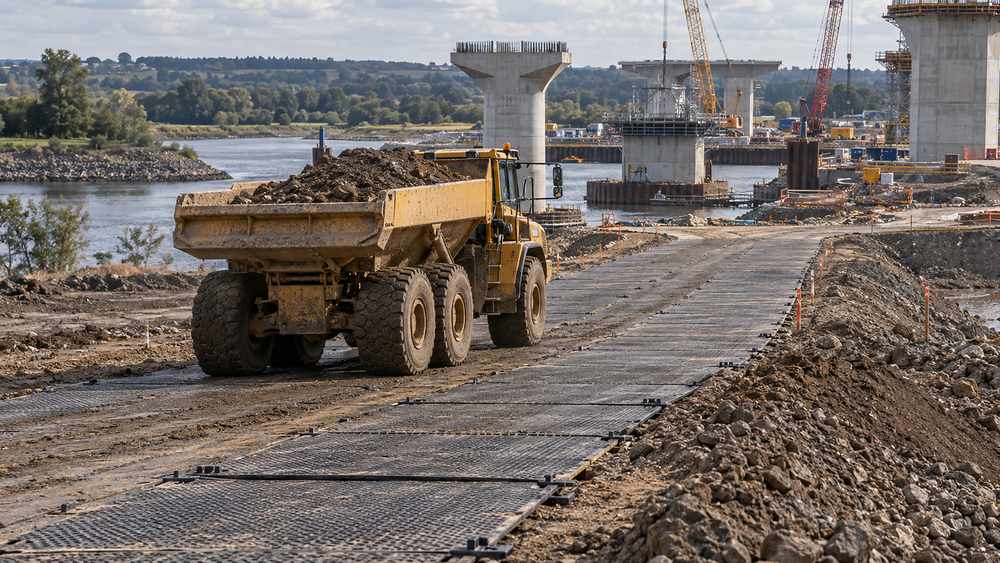
Construction of a roadway for heavy vehicles in the riverbank area of the bridge (new construction site map)
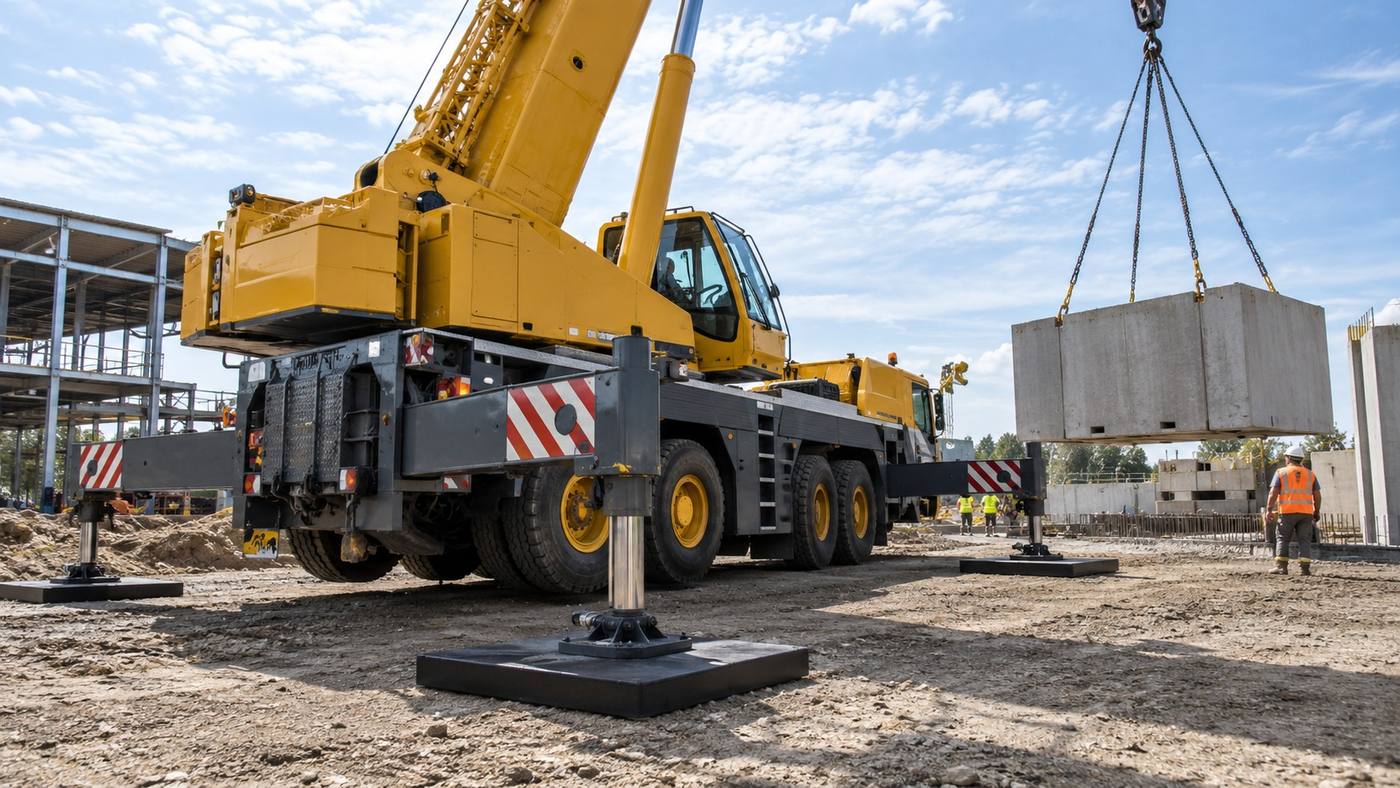
The transport plan lists the maximum axle load, vehicle width, frequency and meeting mode. The transport of ultra-long components requires a greater turn radius and a temporary clean-out, and the work of the cranes through the tunnel and the stretching of their legs is different. The position of the hanger must have a special pedal system based on the retroactivity of the leg and the ground-based load, which does not assume that the stabilization requirements have been met after the direct stretching of the leg on the road board.
Monitoring includes surface and grass-roots deposition, river bank cracks, shifting slopes, sewmaking mud and changes in water levels. Re-evaluate the route after heavy rains, early warnings of floods, pumping of water or proximity to a stake. In the event that the vehicle passes by a continuous ups and downs and downs of the road or on the edge of the earth, traffic restrictions and investigations shall immediately be carried out. Maintaining a low-speed, one-way, one-way orderly traffic reduces the dynamic impact on the software base and the side cutting.
Inquiries are made available on plain floors, partition loads, ground and water level conditions, vehicle lists, life cycle and environmental requirements. On this basis, the vendor recommended that HDPE pavement specifications and connectivity programmes be developed and that ground-based consolidation and river bank security be the responsibility of the project professional team. For bridge works, reliable access routes are derived from zonal design, continuous monitoring and timely turnover, rather than from the single product ' s maximum carrying publicity.
Need for further evaluation of the actual project?
Applications, sizes, quantities, site photographs or drawings and delivery destinations are sent, on which we can identify more suitable products and processing programmes.