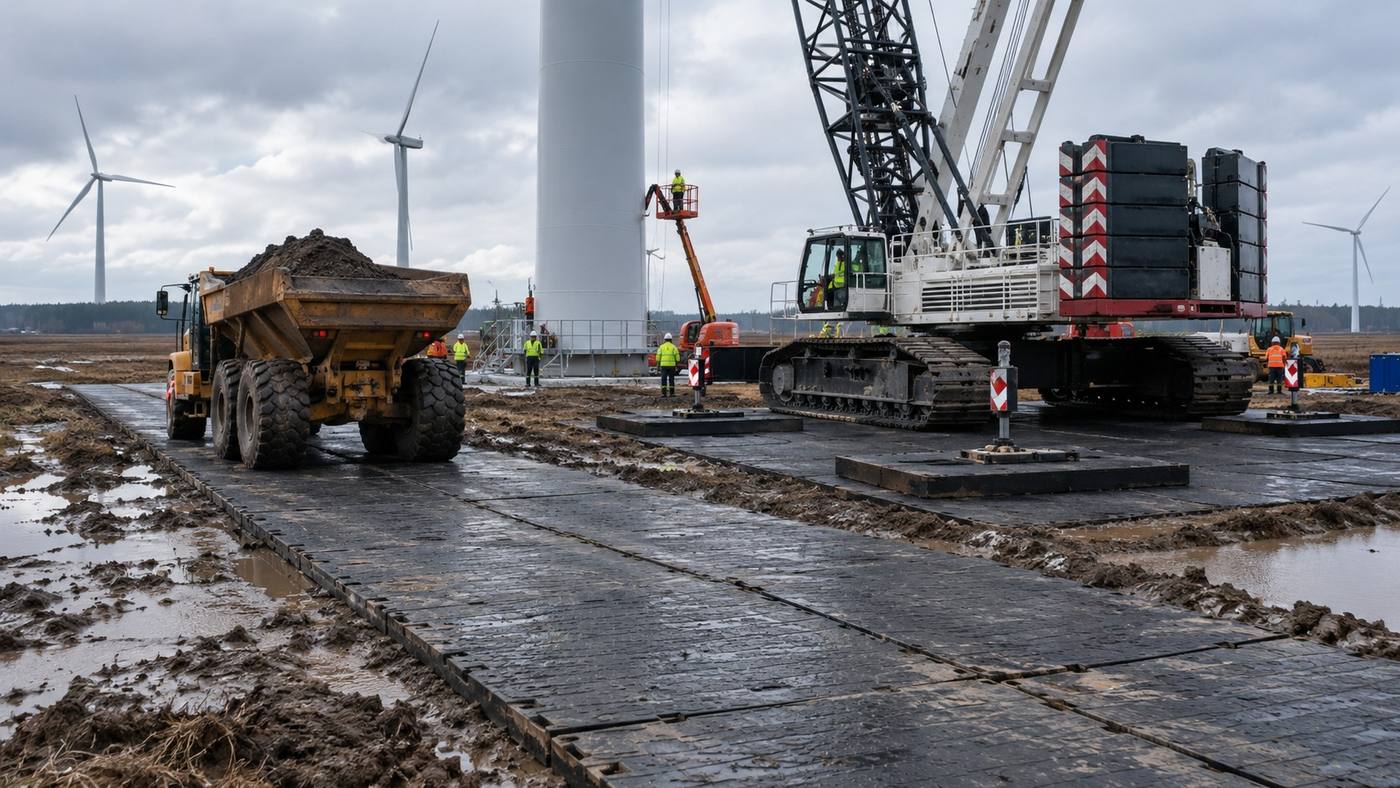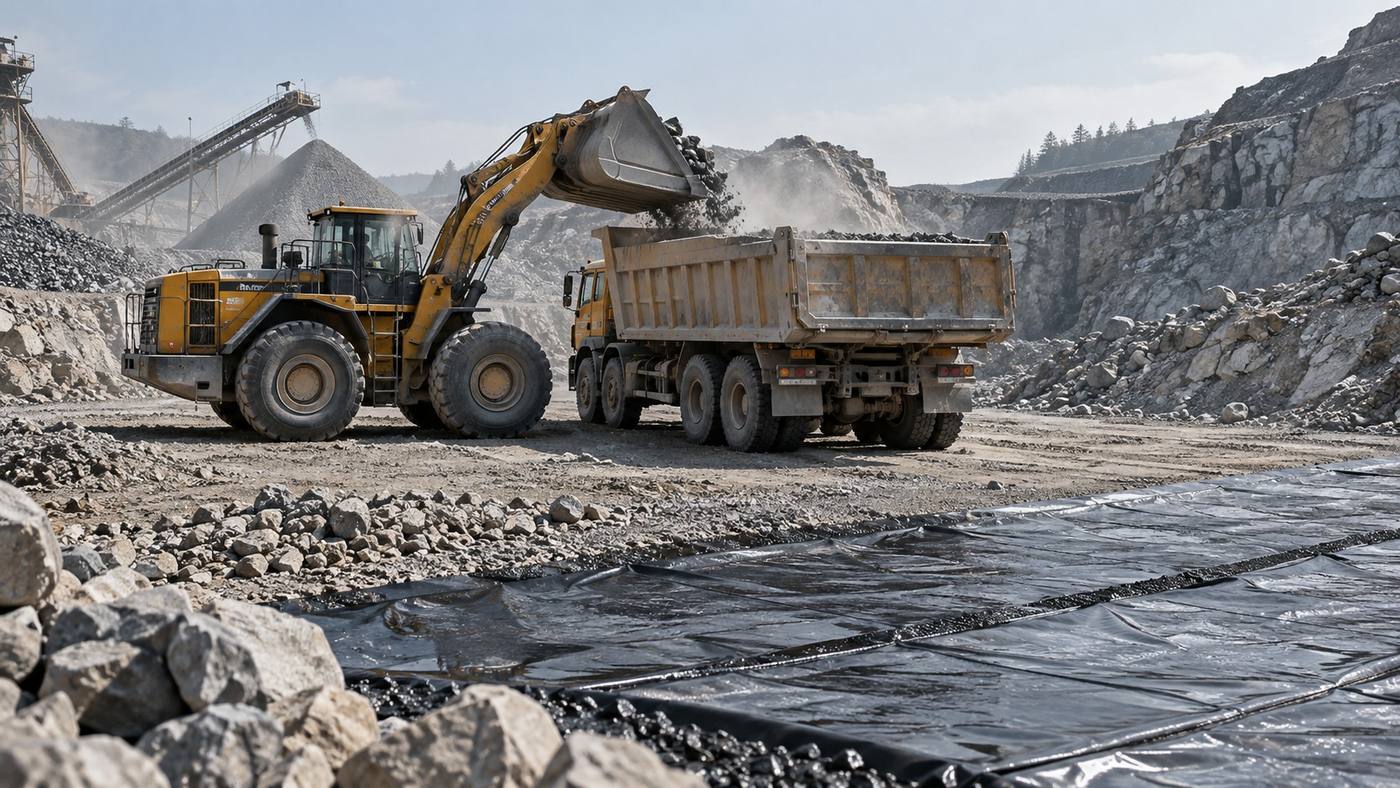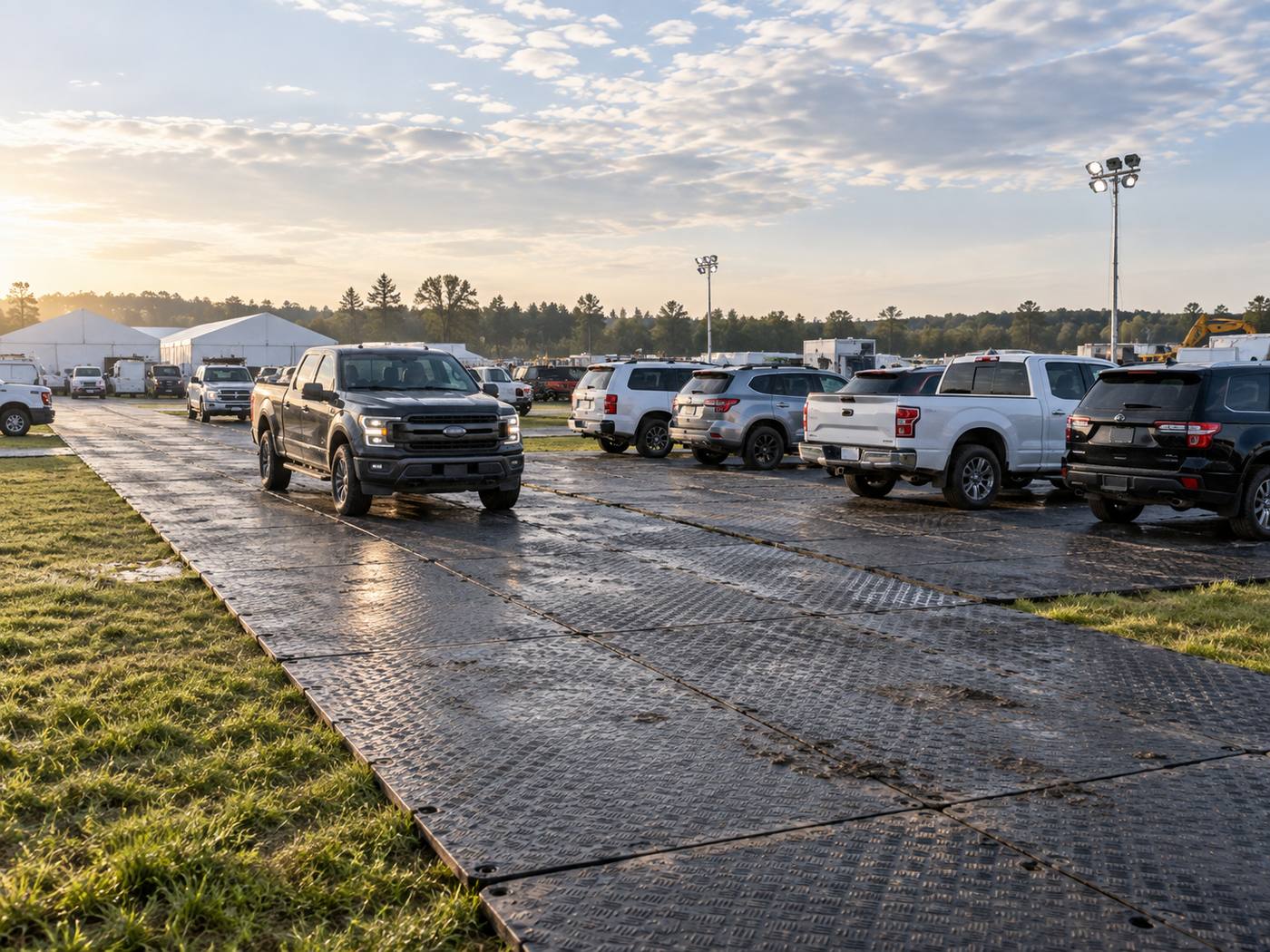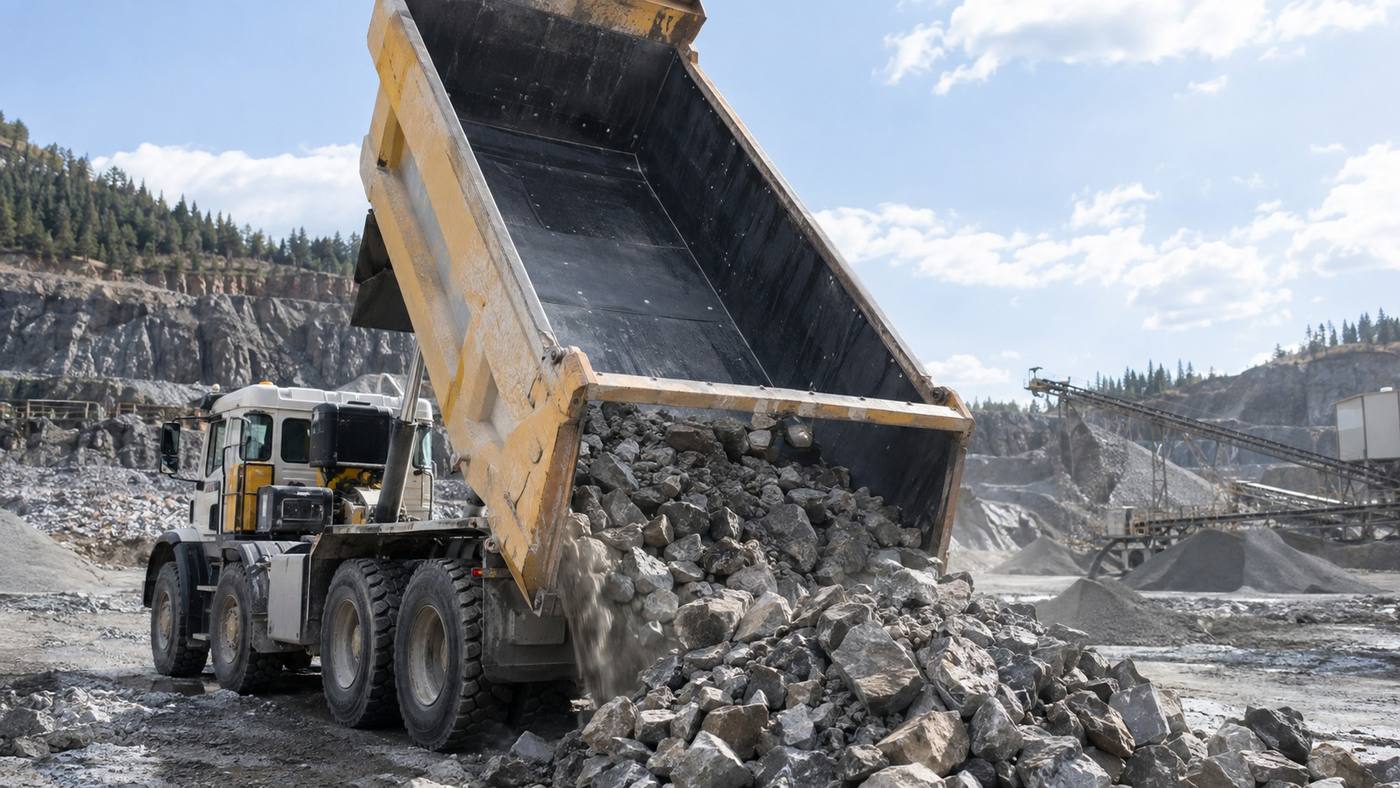
The main contradictions in the narrow urban sites are space and time. When the pumper has a leg, it will occupy a large area, while the slag and concrete mixer will require continuous access and, without an appointment and route control, it will be easy for the vehicle to press to the edge, enter the leg area or line up a public road. The project should divide the pumping, excavation, suspension and material distribution periods according to the construction schedule, with a dynamic traffic map identifying the vehicles and routes allowed for each period.
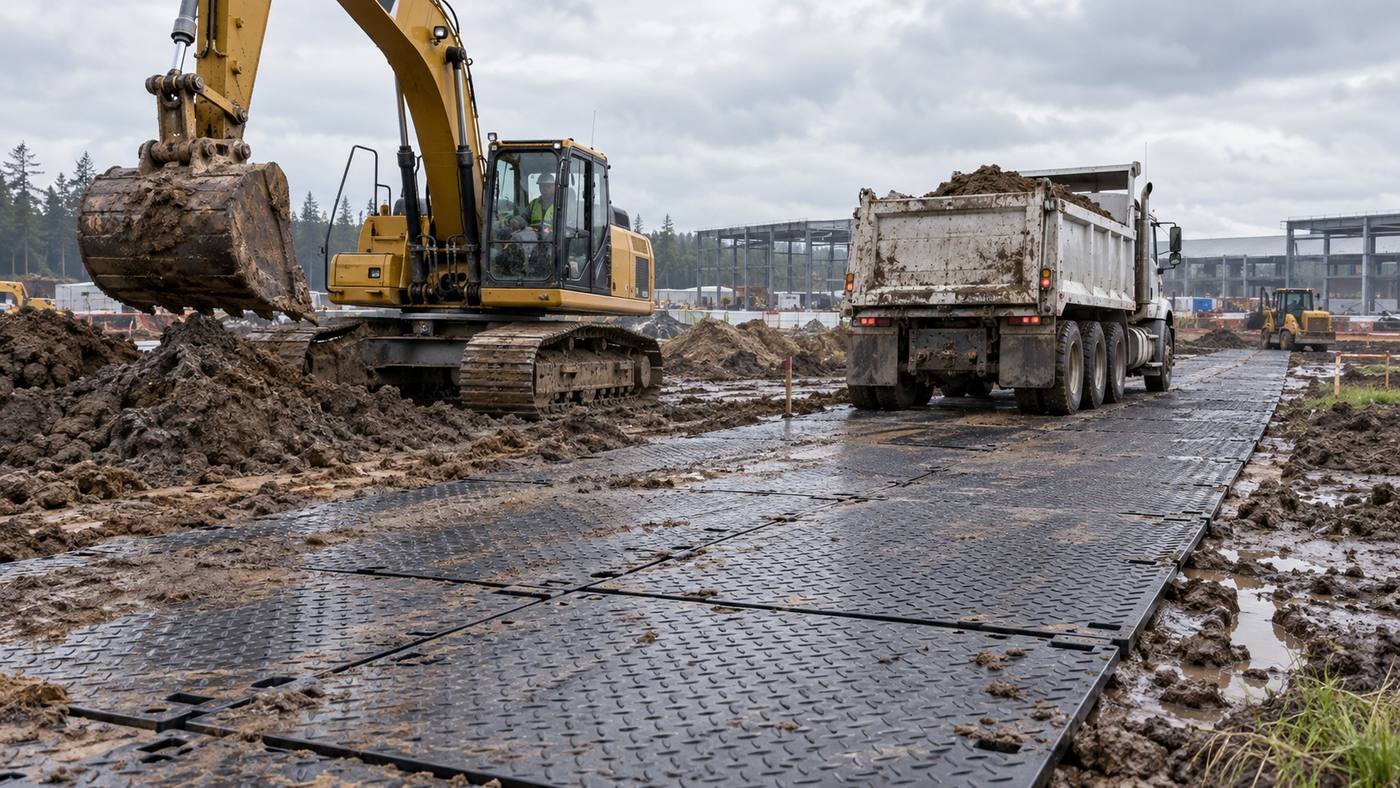
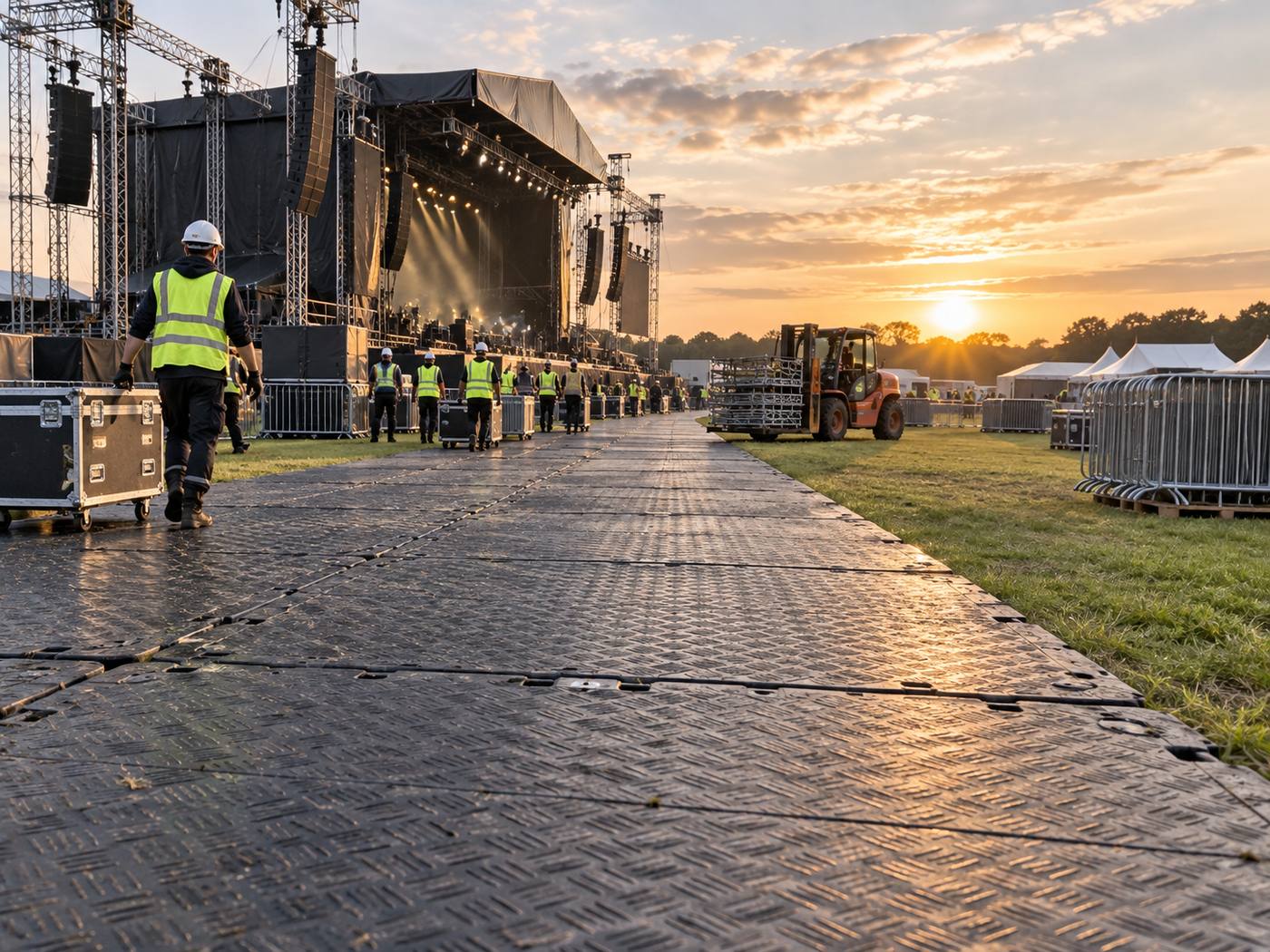
As far as possible, one-way cycles are used, with access and exits separated; reliable waiting points and back-of-the-car commands are provided when such cycles are not possible. The width of the pavement is determined on the basis of the most adverse vehicle ' s wheel, turn and driver ' s residuals, with an appropriate width at the corner and gate. The high difference between public roads and sites must be smooth, car wash water and mud imported into approved treatment facilities to prevent water from being sown or contaminated by municipal rainfall.
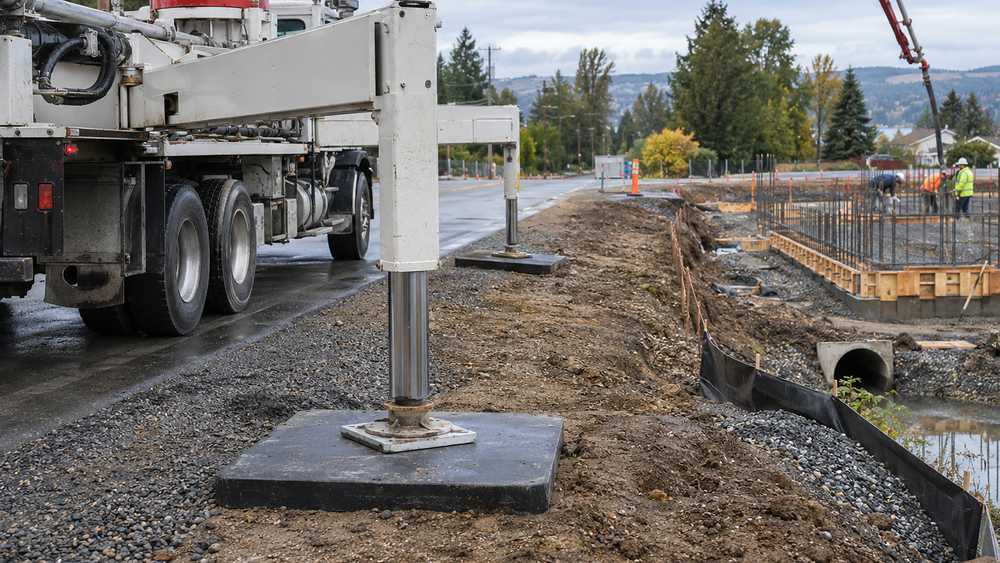
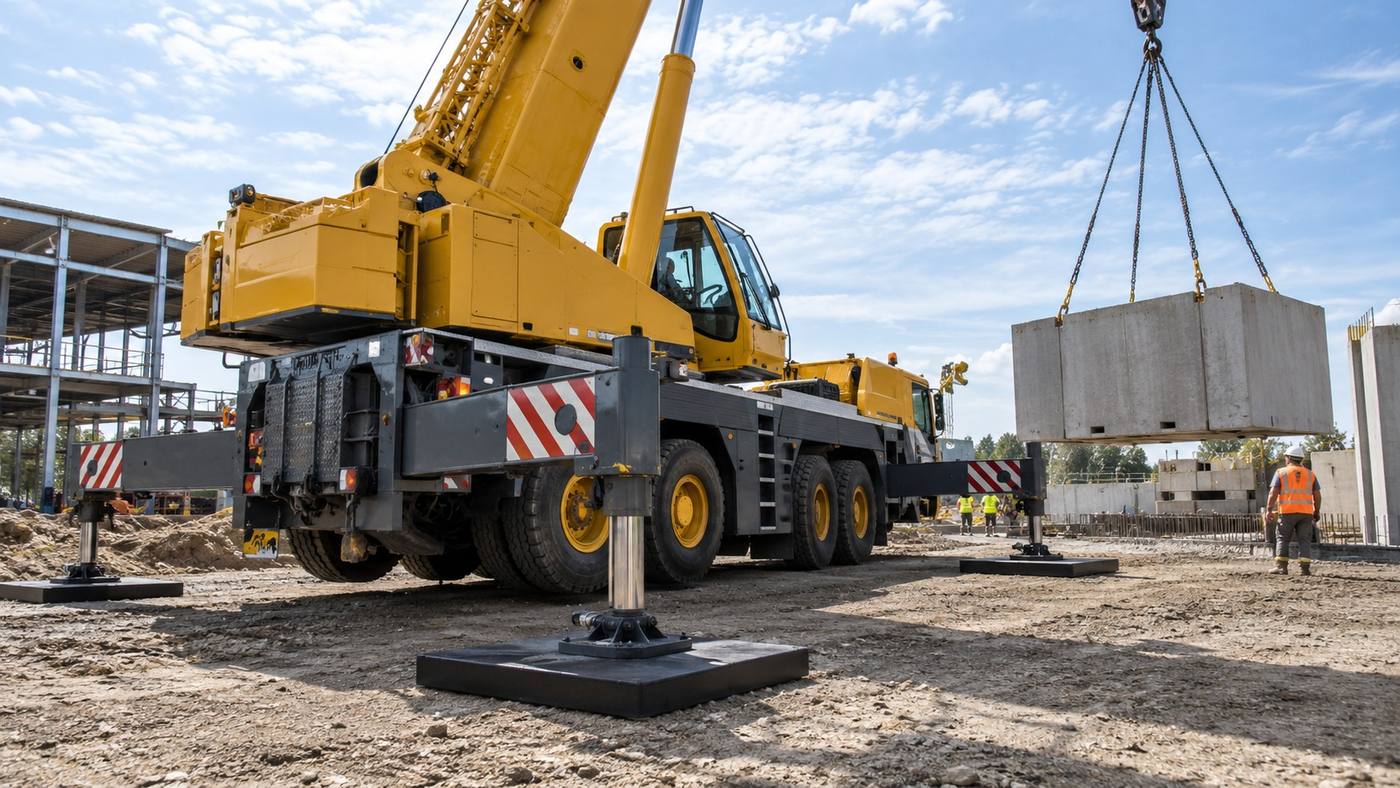
Co-location of pumped legs and heavy vehicle passages at urban construction sites (new construction site mapping)
The pump leg area is an independent restricted area. The leg pads are selected in the form of maximum reaction and ground-based conditions, are isolated around them, and the slag carts are not allowed to pass by the legs or turn around the mat. Pump arms, hoses, mixed vehicle stopovers and personnel passages are placed together, and other heavy vehicles are suspended during pumping, as necessary. The normal pavements are for vehicular traffic and the dedicated leg mats are for concentrated reaction, and the conditions for approval cannot be mixed.
The vehicle is operated under unified command coordination and the driver receives information on route and speed limits before entering the field. Net width for each vehicle type, construction block or material stack change. The focus was on the seams, sedimentation and obstacles at the gate, the hard bend, the edges of the leg zone and the point of stopover. In case of congestion, the off-site security position is adjusted and the vehicle cannot be parked on a soft-base or fire escape.
The request for quotations will provide the floor, the width of the door, the minimum turn radius, the reaction of the pump leg, the axle load of the various vehicles, the peak car and the construction time. Vendors can be assigned separate pavements and leg pads, while the project team is responsible for traffic clearance and operational coordination. Designing the timetable in conjunction with ground protection is usually more likely to mitigate logistical conflicts at narrow sites than simply increasing the size of the sheet.
Need for further evaluation of the actual project?
Applications, sizes, quantities, site photographs or drawings and delivery destinations are sent, on which we can identify more suitable products and processing programmes.