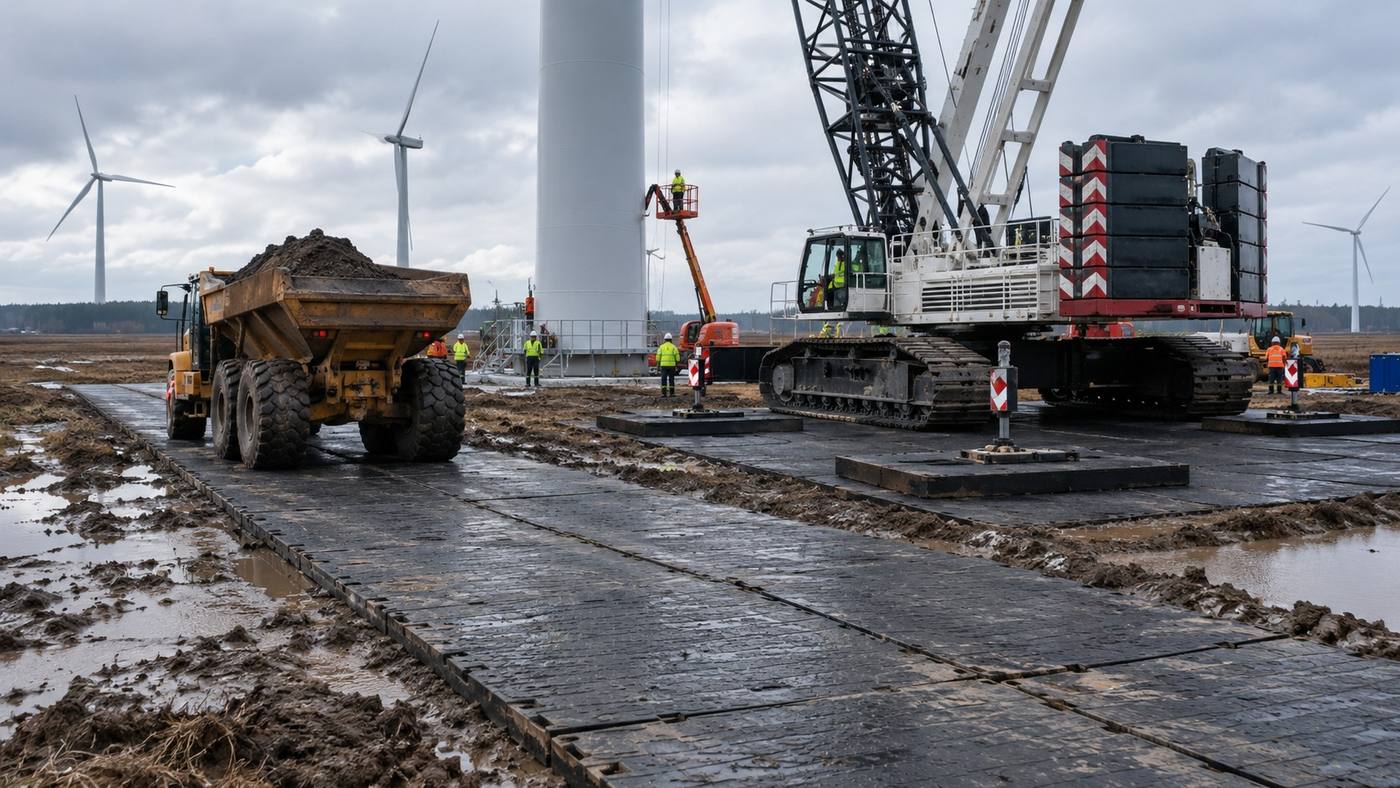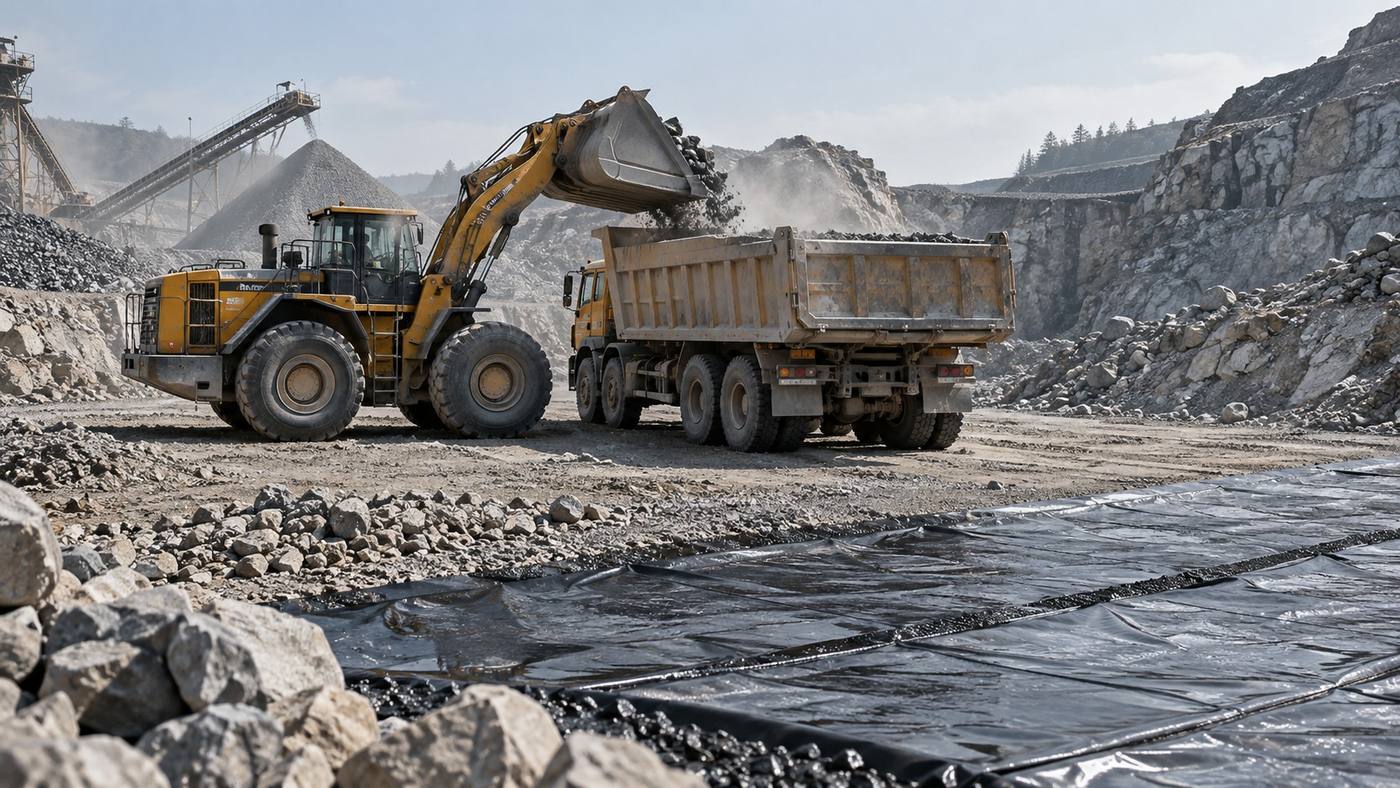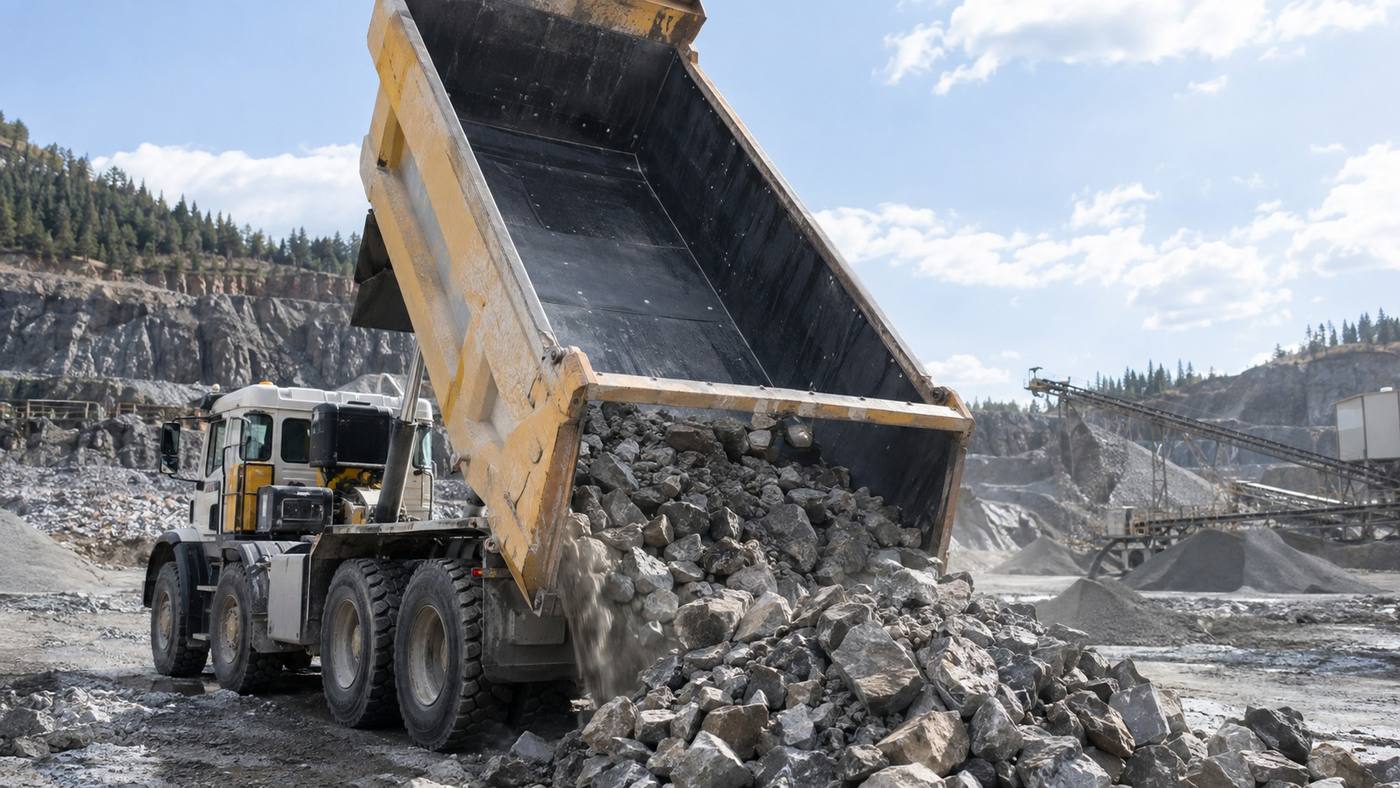
The difficulty of temporary parking for grasslands is not only to prevent tyres from falling into soil, but also to control topsoil cover, wear and tear of grass leaves, oxygen deficiency in root areas and water accumulation after rain. High-value landscape lawns, unlike permitted damage to common construction sites, should be first identified with the site for days, vehicles allowed, standards restored and underground irrigation sites. While pavement boards can spread the wheel and reduce the direct cut of the wheel, prolonged closed coverage may still affect the lawn state, so that the area and cycle are planned ahead.
Long grass leaves should be trimmed, sharp and impurities cleaned and jets, valves, light-layed cables and weak spots marked. If the soil is saturated, the direct sheeting may trap the water below, first improving the drainage or delaying the entry of heavy vehicles. Parking spaces, driveways and turn areas are to be designed separately so that, as far as possible, vehicles can enter and exit, and less in situ direction on the grasslands. The plank needs to be high and sutures suitable for anticipated vehicle and personnel traffic.
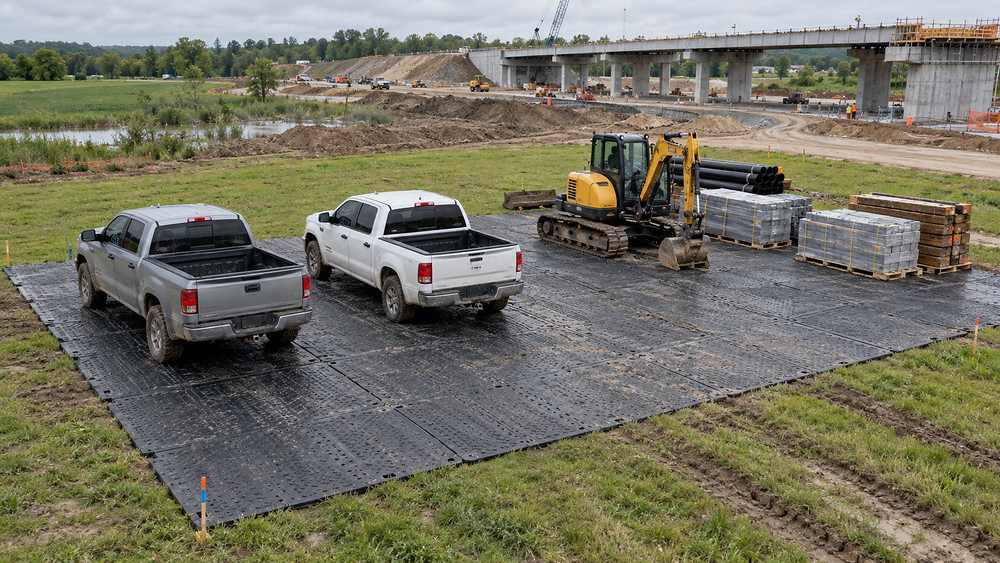
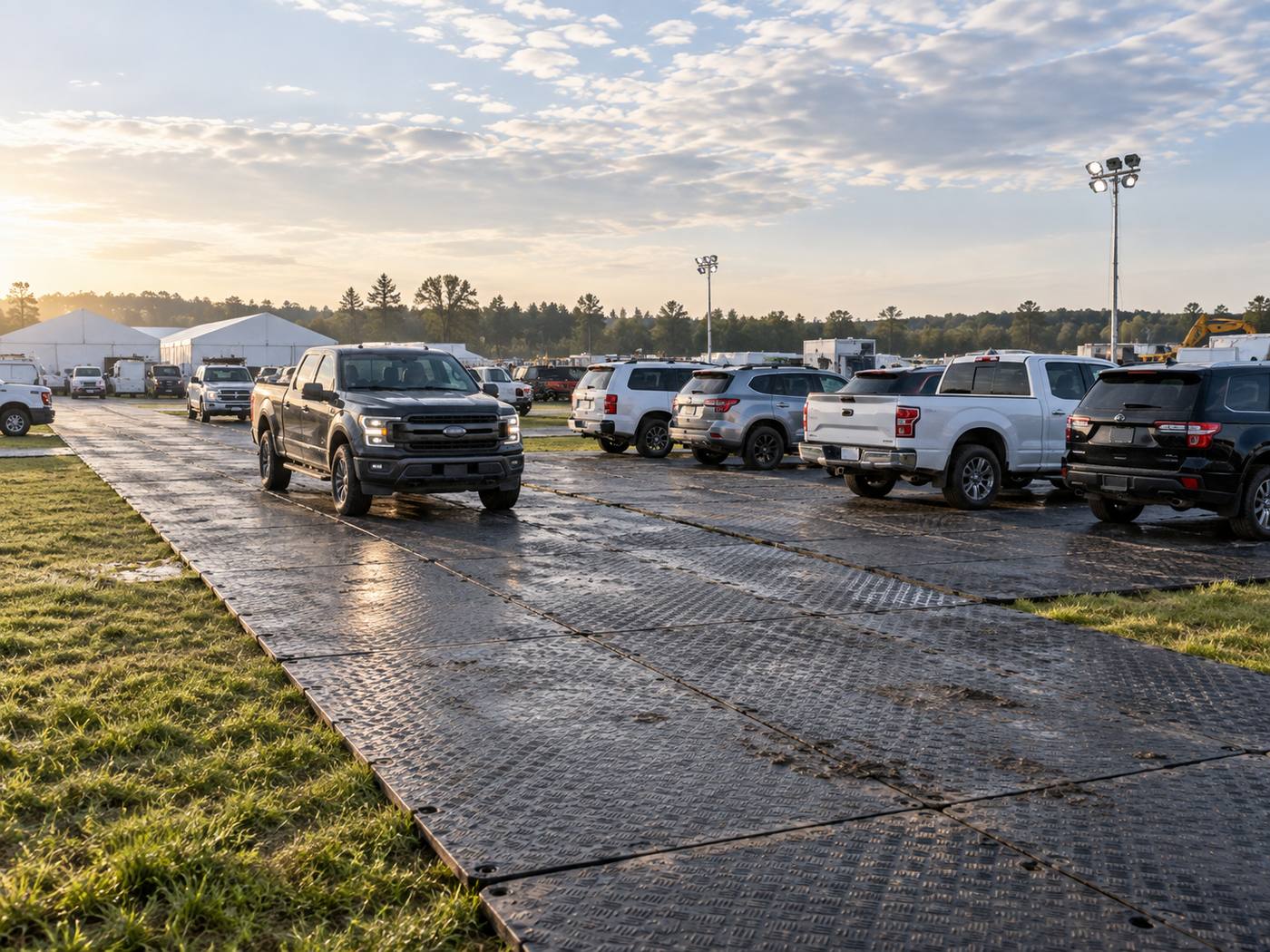
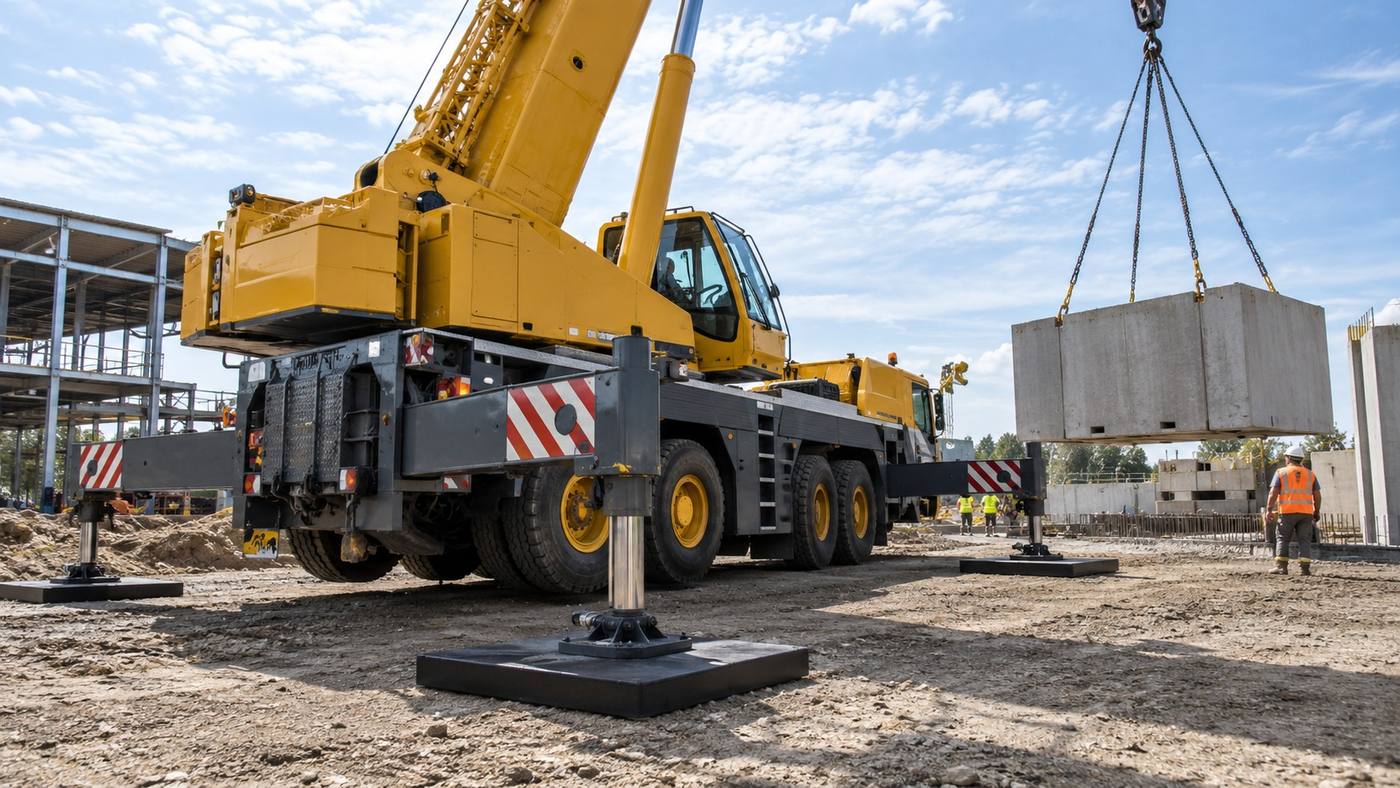
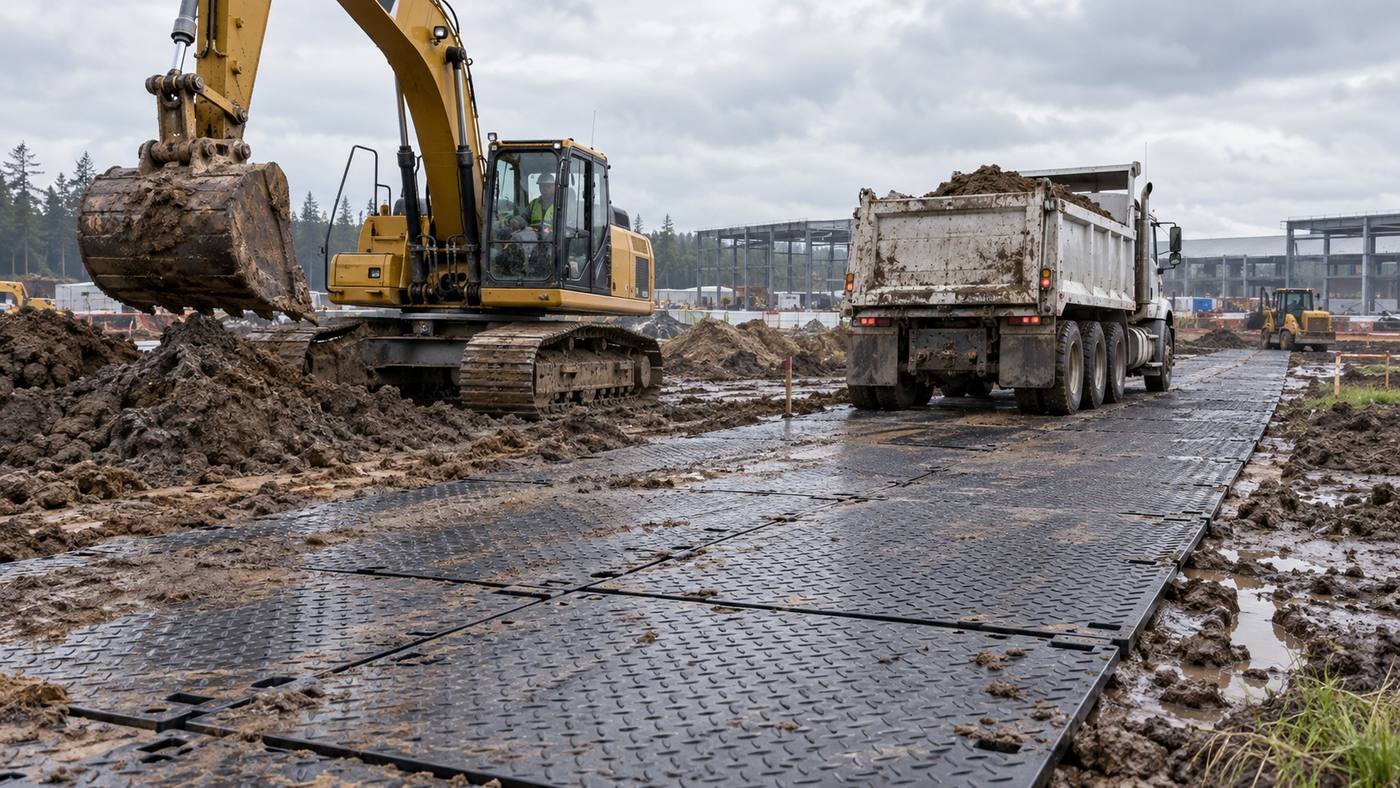
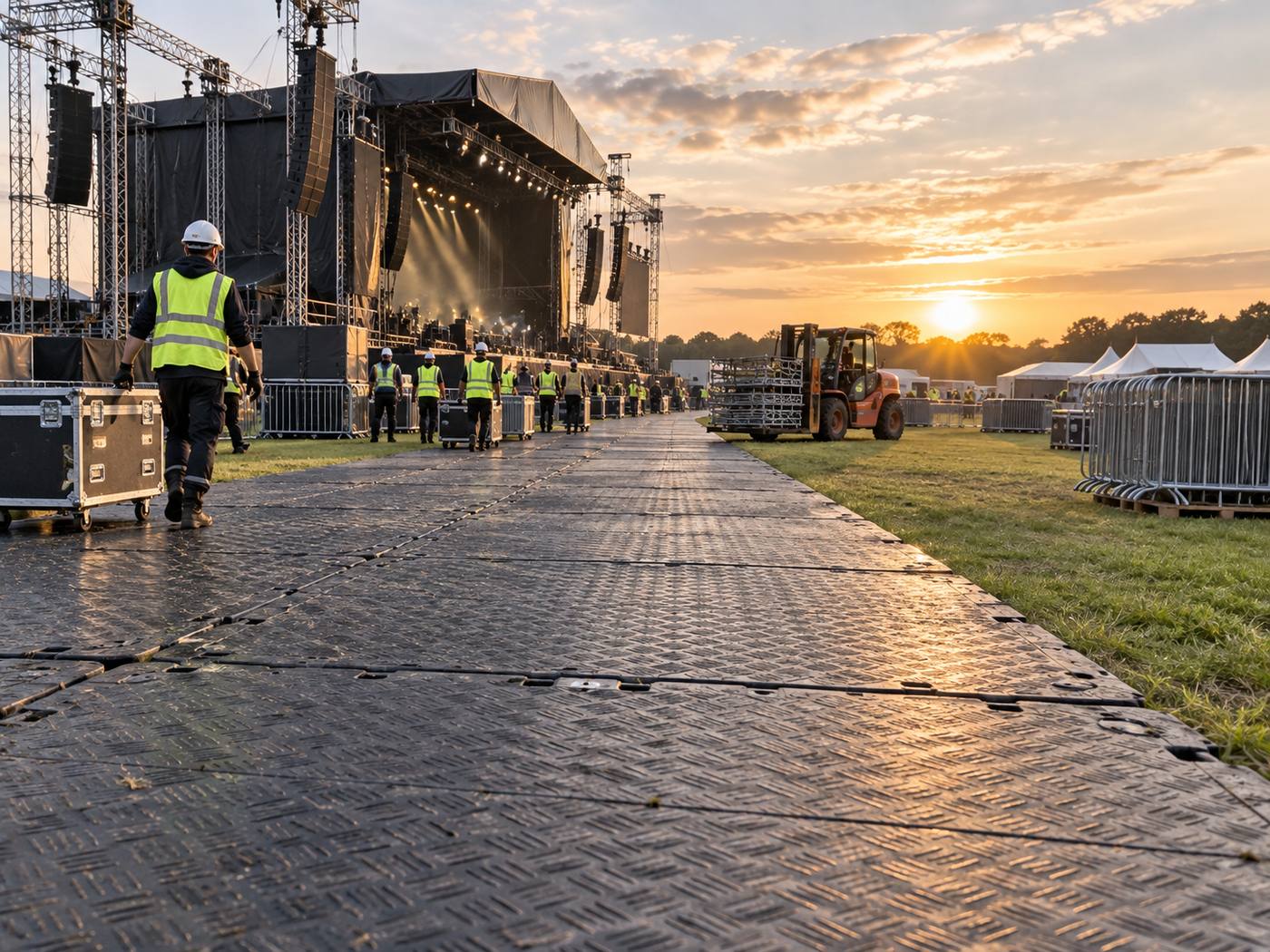
Temporary parking and equipment parking platform for paved floors (new construction site map)
Vehicles shall be assigned to a subdivision by category. Light passenger vehicles can be located in areas far from the entrance, with heavy engineering vehicles, equipment transport vehicles and long-term parking vehicles near stronger corridors and at the grass-roots level. Parking lines or guidance facilities should be set up independently and the plates should not be destroyed. If the activity lasts for many days, it can rotate areas with low usage rates, control single-position stop times and increase the width of the high-frequency entry and exit to prevent repeated pressure on tyres on one side of the vehicle to the edge of the grassland.
Every day during the run-off, see sub-board drainage, edges, plate shift and lawn smell or colour change. Vehicles should be restricted after heavy rainfall and should not be opened until ground conditions have been assessed. Leakage, concrete or chemicals can contaminate the lawn and the sheeting, and should be equipped with rehydration and cleaning measures. Gradually dismantling the floors in the direction of the exit of the vehicle to avoid the equipment being crushed with bare weeds; and cleaning, ventilation and restoration as soon as possible after the plates are lifted.
The request for quotations would require parking area, number and weight of vehicles, number of days of use, soil drainage, lawn grade, slope and underground facilities. The supplier may recommend the thickness of the sheet, the texture, the mode of connection and the quantity of the assembly. If the goal is to minimize pressure marks, the key is to limit heavy vehicles, reduce coverage time, manage rainy days and expand high-frequency areas, rather than selecting only plates with a colour closer to the grass.
Need for further evaluation of the actual project?
Applications, sizes, quantities, site photographs or drawings and delivery destinations are sent, on which we can identify more suitable products and processing programmes.