The winter freeze is the result of a combination of moisture, temperature and stay time. When wet soil or fine materials come into contact with cold steel plates, they may be frozen quickly, and the longer they are transported, the more water is left in their cars, the more adhesive. The low-temperature application of the UHMWPE car liner reduces the binding of the material to the steel plate and reduces the coarse-coloured adhesive, but does not allow the water-bearing material to be completely ice-free at any temperature. Projects should specify minimum temperature, material moisture and parking waiting times.
The selection is to check the temperature-deficient impact, grinding and size change data of the material plate and cannot read only the name "UHMWPE". The front corner of the car, the dent in the floor, the gap in the tail door and the old welds are often the starting point of the freeze and should be repaired and drained before installation. Liner sutures and stifling are designed with a temperature-to-temperature all-temperature differential to allow for reasonable expansion space to avoid too much gaping or heating during the winter contraction.
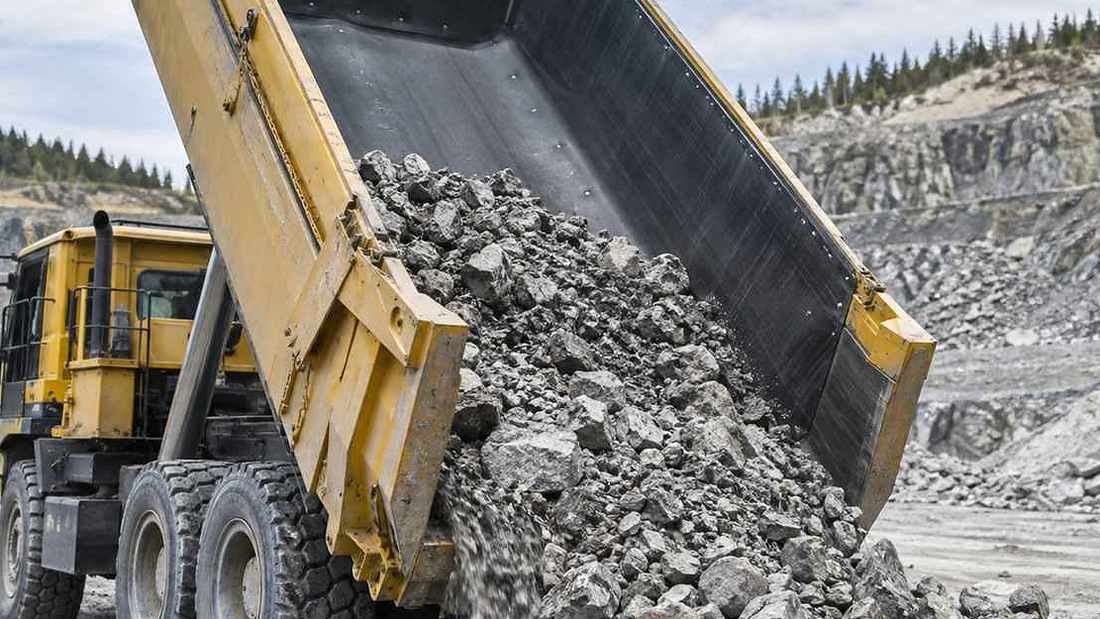
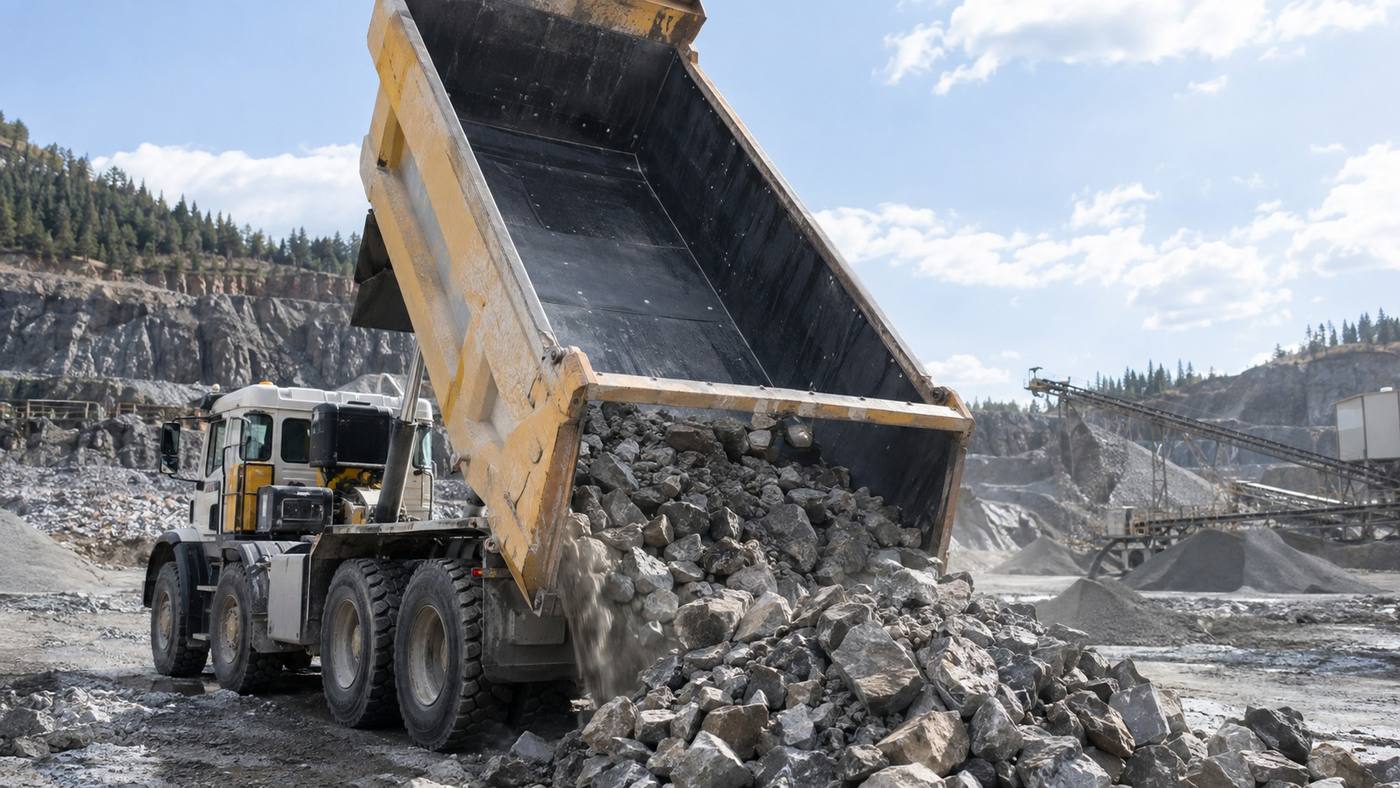
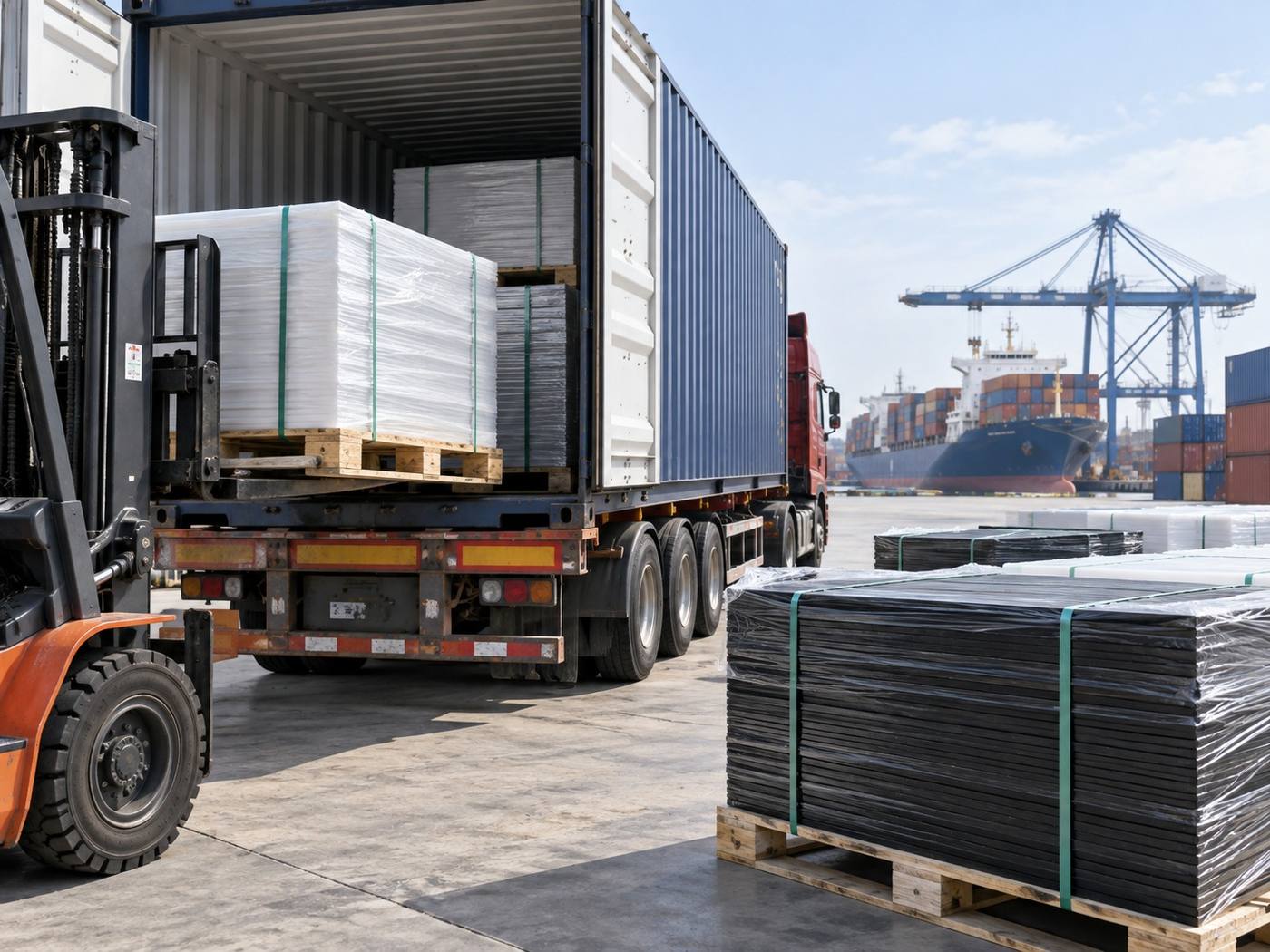
Crews and materials offloading scenes in low-temperature construction transport (contribution material for the plastic network)
Operational measures are equally important. Clearing of cars before filling, water, residues and ice, and reducing the number of vehicles waiting in the open for long periods of time; and reducing the amount of material from source to source when the water is manageable. The discharges must be carried out in a solid, flat location in accordance with vehicle procedures and must not be handled by brakes, shocks or burning ovens. Consistency with goods, environment, panels and subsequent processes is also identified before using chemical anti-frozen or demoulant materials.
The winter check will focus on the contraction of the lining, the seams, the tights, the cracks and the local rise. The sudden release of the frozen material could cause overloading and shocks, and the driver would be required to keep the personnel away from the discharge area and to observe whether the side of the vehicle had slipped. In the case of an abnormally fragile or condensed hole damage at low temperatures, the use should be discontinued and the material applied to the temperature and installation gap checked.
The request is for a minimum operating temperature, day and night temperature differential, material name and water content rate, one-time load, transport time, car size and photographs of the existing freeze. On this basis, the supplier recommends the temperature plate, thickness and installation. The sheeting is implemented in conjunction with measures such as cleaning, drainage and waiting reduction to stabilize the need for cold and manual cleaning.
Need for further evaluation of the actual project?
Applications, sizes, quantities, site photographs or drawings and delivery destinations are sent, on which we can identify more suitable products and processing programmes.