Whether or not the soft surfaces require earthwork and gravel floors cannot be judged solely by the overall weight of the vehicle. It is important to know the depth of the soft layer, the water content rate, whether the surface is pumped with mud, whether there is a stronger holding layer in the lower part and how long the road is planned to be used. The pavements are responsible for expanding the area of exposure and reducing the direct disturbance of tyres, and the earthen cloths are used mainly to isolate the fine earth from the upper particles, while the rubble base provides support for flatting, drainage and more continuous. The roles of the three are different, and no one can solve the problem on its own under all soft-base conditions.
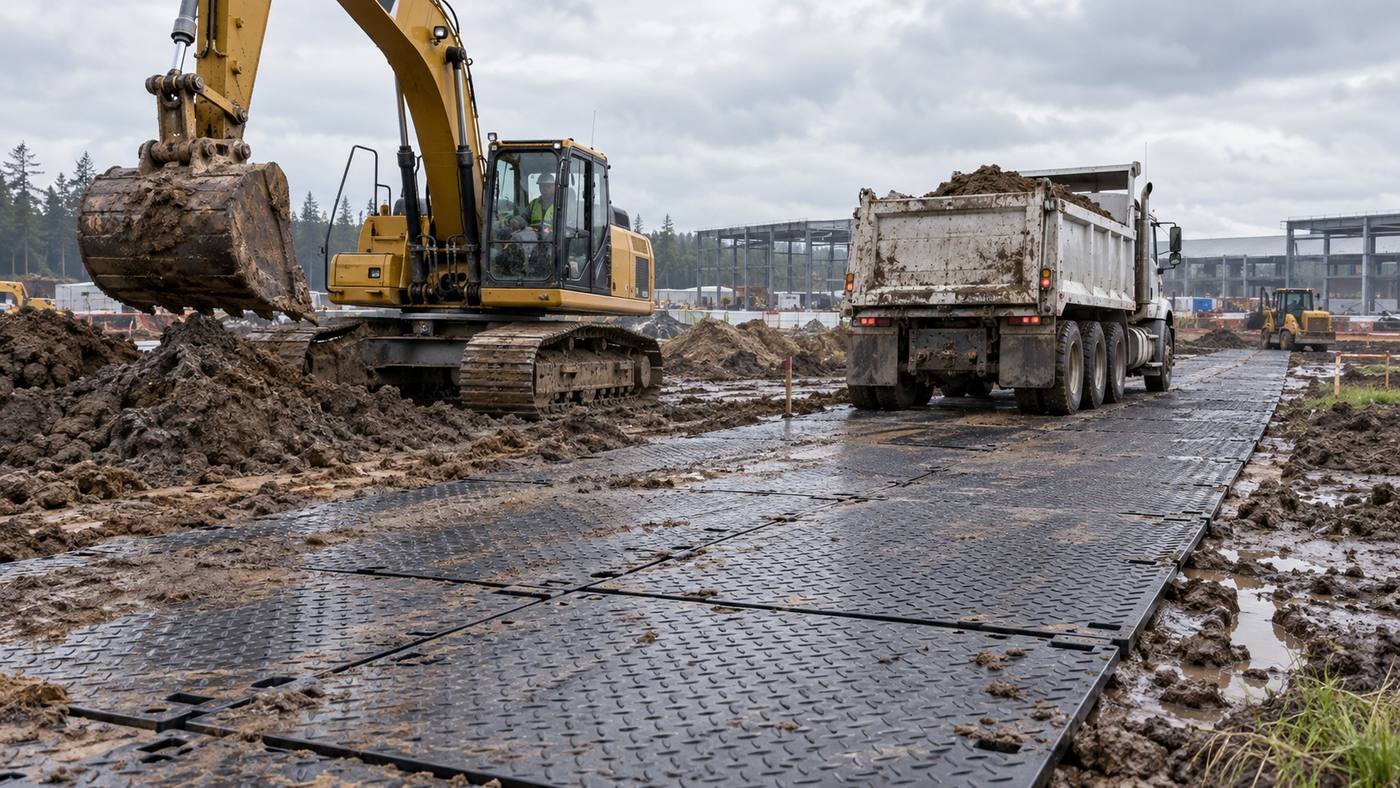
If the ground is damp on the surface, the lower part is secret, the vehicle is light and the number is limited, suitable HDPE plates may be laid directly after drainage and levelling. When fine particles of soil are easily mixed with rubble, isolation of earth covers will help to mitigate contamination at the grass-roots level, and where deep tracks, local pits or heavy vehicle HF traffic are present, a more even working platform will usually be required for grade-level formulations. For areas of deep soft soil, return of unknown fillings or high groundwater, grids, thick coatings or other ground-based treatment may also be required, which must be determined by the project technical staff.
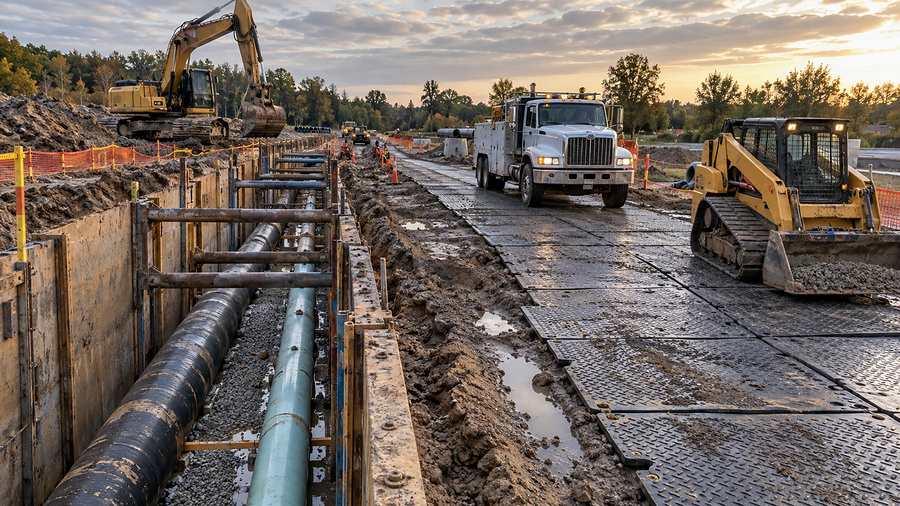
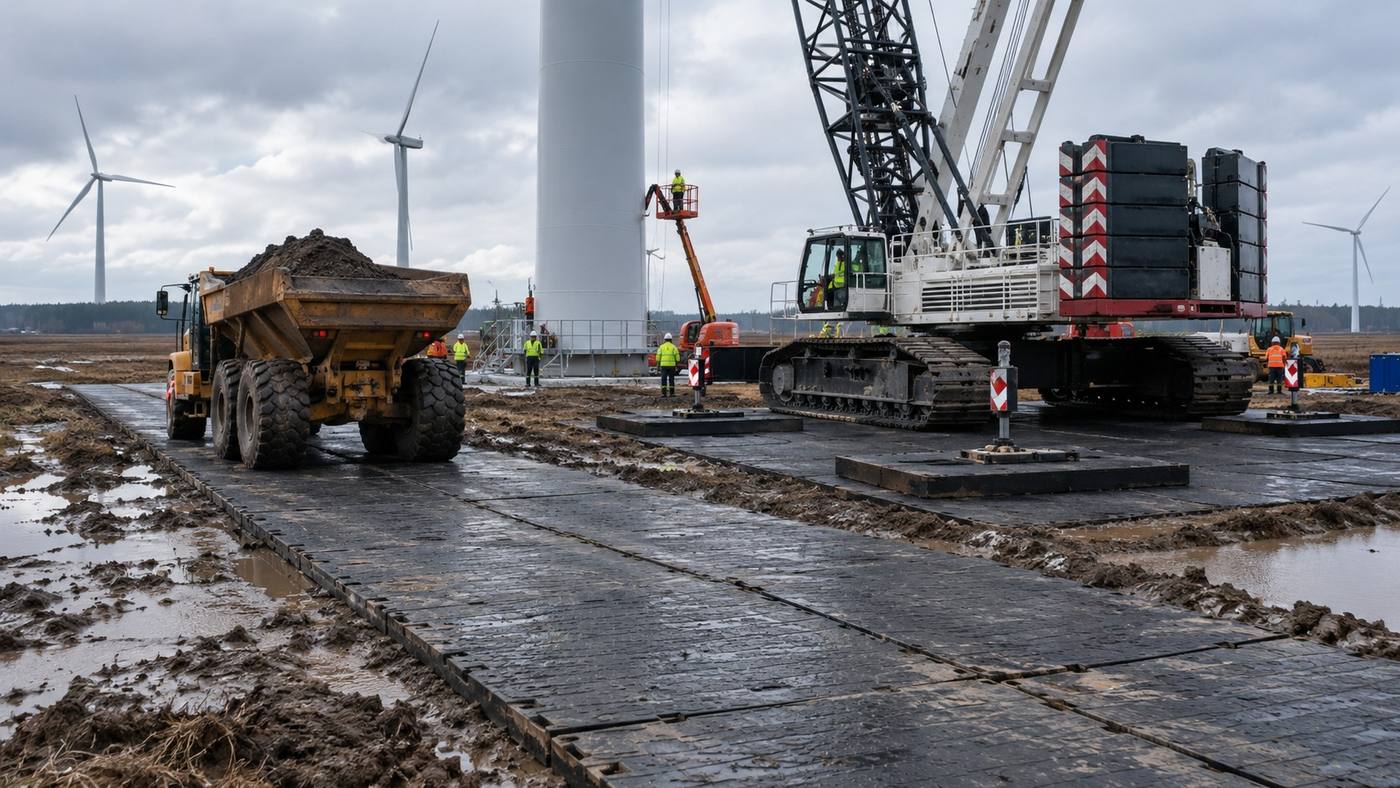
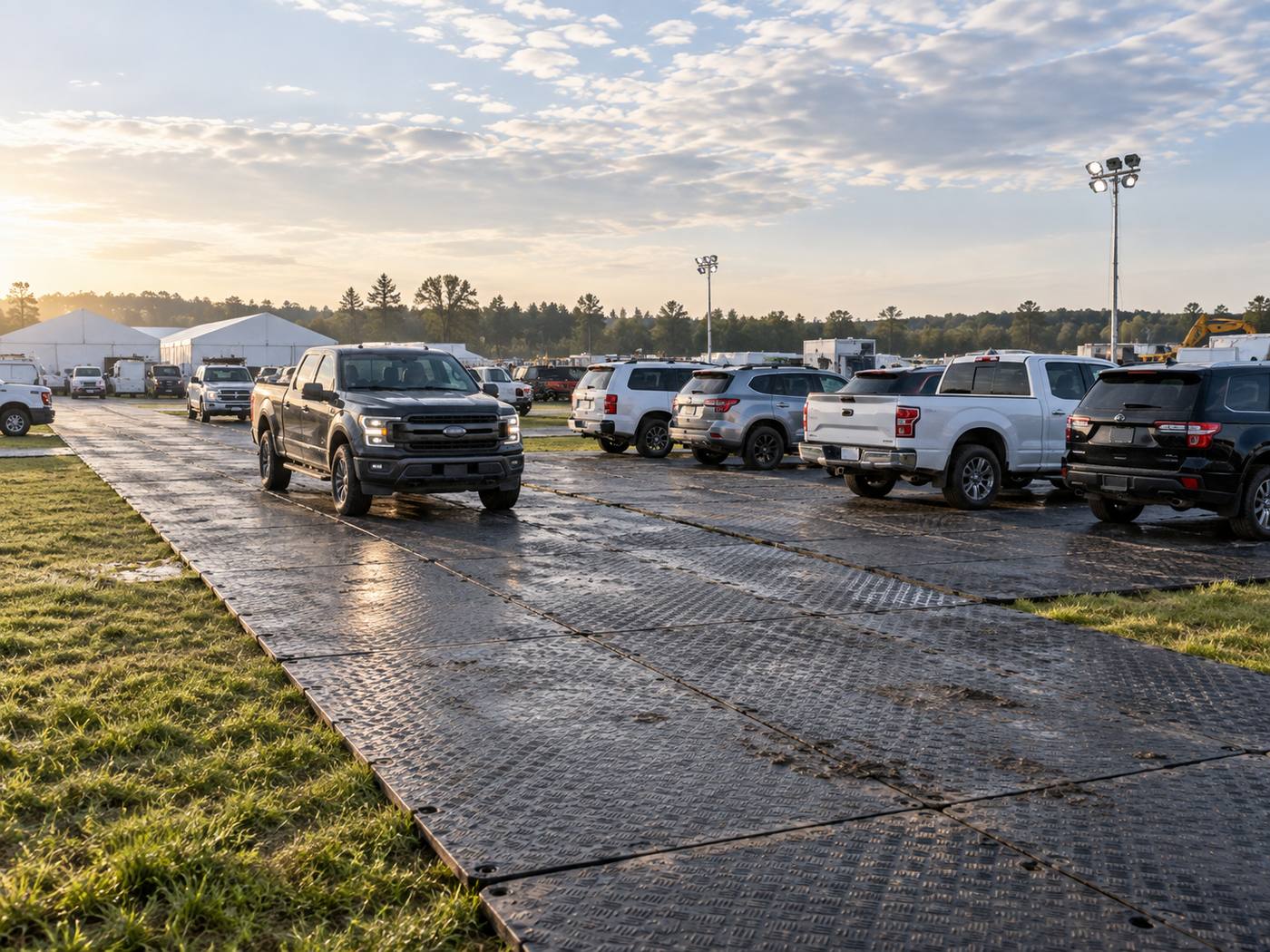
The pavement of the soft surface to create a continuous pressurized surface (new construction site map)
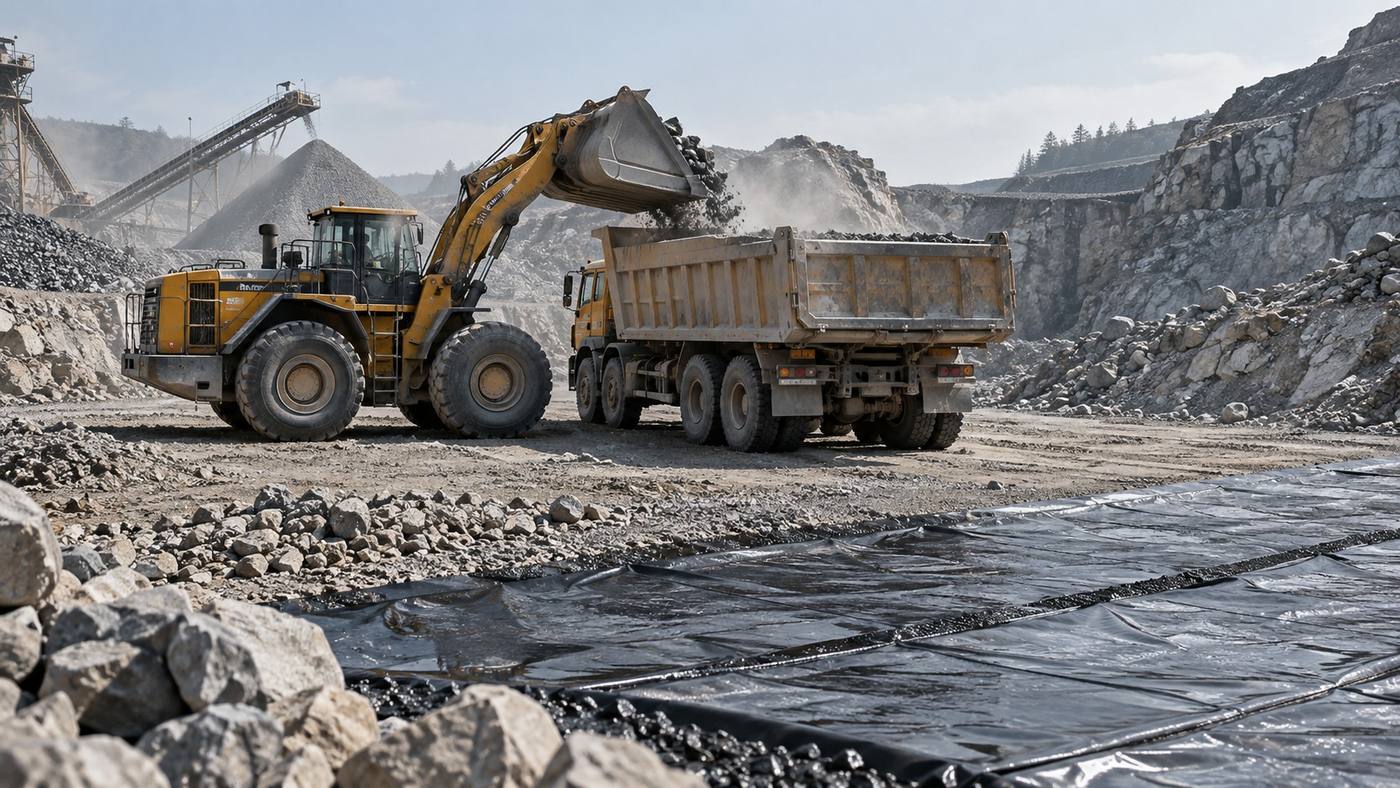
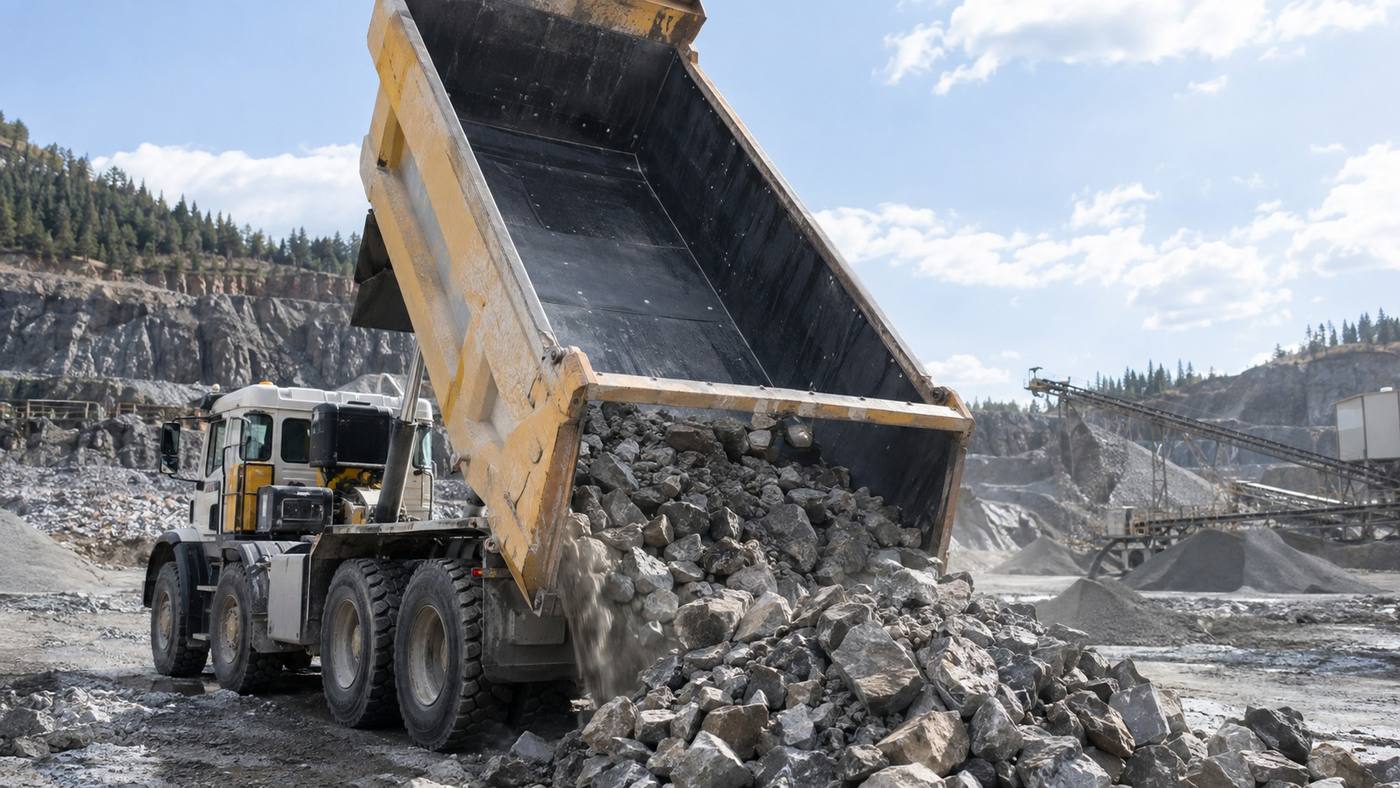
The order of construction also affects effectiveness. The earthen canvass should be laid on the ground, which has been cleared of sharps and excessive flow of mud, and the docking and anchoring should be carried out as designed to avoid direct crushing of construction vehicles and roll-up of the cloth. The rubble should be spread and flatted and not piled in hard bags at single points. The pavements are then successively installed from the stabilization end so that the seams avoid visible soft spots. If the pebbles are left below the plate, it will form a concentration of local stress; if the grass-roots surface waves rise and fall, the thick plate will also bend over and over again.
Programme validation could start with a short-range test bed. The selection represents the worst-grounded area and operates as planned with the vehicle, speed and sub-carrying, recording depositions, plate shifting, pumping mud and upturns of grass-roots particles. The test shall cover adverse actions such as turns and brakes, but shall not intentionally exceed the limits permitted by the equipment and the road. The results are stabilized and then spread; if abnormally concentrated on the ground rather than on the surface, the grass-roots structure should be adjusted instead of blindly increasing the thickness of the sheet.
Procurement communications should provide both ground or site survey information, photographs of the softest areas, vehicle axle, road width, rainy season conditions, work schedules and recovery requirements. The supplier is responsible for making proposals for the specification and connection of the sheeting, and the grade of the earth, gravel thickness and ground-based load indicators should be included in the project design. Clarifying the various layers of functionality would enable the volume of materials to be controlled while meeting safety and maintenance requirements, avoiding unnecessary transport and construction costs arising from a thinning.
Need for further evaluation of the actual project?
Applications, sizes, quantities, site photographs or drawings and delivery destinations are sent, on which we can identify more suitable products and processing programmes.